Wine pairing with radicchio: the choice depends on how it’s prepared. Radicchio can be crisp and slightly bitter when raw, softer and more delicate after cooking, or develop toasted and smoky nuances on the grill. There isn’t a single perfect wine: in simpler preparations, fresh, supple whites work well, while more intense cooking methods or richer ingredients may call for extra structure. Here’s how to navigate the options, preparation by preparation.
Raw radicchio salad
When raw, radicchio shows its bitter edge at its peak along with a pleasant vegetal note. The crisp leaves can leave the palate drier and challenge overly delicate wines. You’ll want a fresh white with good acidity and a savory, saline streak that supports the bitterness without amplifying it. Custoza DOC, produced on the hills between Verona and Lake Garda from a blend of grapes including Garganega and Trebbianello, is a well-balanced choice: it has freshness, floral aromas, and a citrusy element that accompanies the radicchio without overpowering it. It’s best to avoid very soft whites or those with marked sweetness, which can clash with the vegetable’s bitter component.
Creamy radicchio risotto
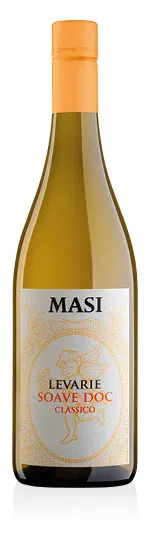
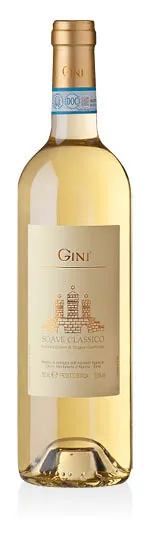
In risotto, butter and Parmigiano add richness and creaminess to an ingredient that already carries notable aromatic intensity. The wine therefore needs enough structure to match the creamy finish, but also freshness and savory lift to keep the palate in balance. Soave Classico DOC, made mainly from Garganega grapes on the hills between Verona and Vicenza, is a classic and highly versatile pairing: its suppleness mirrors the risotto’s texture, while acidity and saline notes help balance the butter and cheese. If you deglaze the risotto with wine, pouring the same Soave into the glass can make the match more seamless, maintaining continuity of aromas and flavors between dish and wine.
Savory tart or quiche with radicchio and blue-veined cheeses
When Gorgonzola, Taleggio, or other flavorful cheeses join the radicchio, the dish’s balance shifts. The fat component increases and the cheese’s savoriness can become dominant. In this case, effervescence is especially helpful because it lightens the sense of richness and refreshes the palate for the next bite. Prosecco Superiore di Valdobbiadene DOCG, produced in the Treviso hills, is also a geographically coherent choice when the dish features late-season radicchio. An Extra Dry version, softer than a Brut, can partner the cheese’s savoriness without creating excessive contrast. The goal isn’t to find a sweet wine, but a sparkling style able to support the dish’s richness while keeping the radicchio recognizable.
Grilled Radicchio di Treviso Tardivo
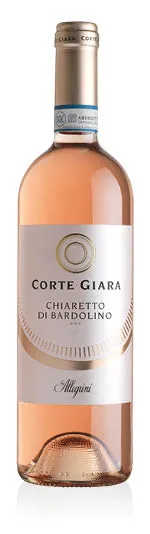
On the grill, radicchio changes character: the heat concentrates sugars, softens the bitter element, and brings out toasted and smoky notes. It’s a more intense preparation that can challenge a white that’s too light, but it doesn’t necessarily call for a structured red. A wine with fruit, freshness, and very gentle tannins can better complement the char without accentuating bitterness. Bardolino Chiaretto DOC, produced on the hills on the Veronese side of Lake Garda, offers just that balance: it has the freshness of a rosé and enough fruit to support the grill’s character, without the tannic structure of a bigger red. It’s a particularly good choice when radicchio remains the star of the dish and isn’t served with very rich sauces or dressings.
Sweet-and-sour radicchio
With balsamic vinegar, raisins, and pine nuts, sweet-and-sour radicchio introduces a sweet note and pronounced acidity. The wine therefore needs sufficient softness so it doesn’t come across too dry or bitter alongside the dish. Lugana DOC, made from Turbiana grapes on the Veneto and Lombardy shores of Lake Garda, can work well thanks to its structure, freshness, and hallmark notes of fruit and almond that accompany the preparation without weighing it down. In this case, it’s better to avoid very lean, aggressively acidic wines: balsamic vinegar already brings significant acidity, so you also want good body to keep the pairing in balance.
Choosing wine for radicchio always starts with the preparation. For raw radicchio, fresh, savory whites are recommended, while risotto calls for more structure and the ability to match the creamy finish. With blue-veined cheeses, bubbles help balance the dish’s richness, while at the grill a fresh, fruity rosé can work well. The pairing also shifts with sweet-and-sour elements, where softness and structure become important. The aim isn’t to rule out any category of wine a priori, but to find the right balance between the radicchio’s bitterness, the intensity of the preparation, richness, acidity, and the wine’s structure.

 View all
 Champagne
 Sparkling Wines
 Red Wines
 White Wines
 Rosé Wines
 Alcohol-free
 Bag in box
 Fortified Wines
 Passito Wines
 Cocktails
 Gin
Gin
 Liqueur
 Whisky
 Rum
Rum
 Grappa
 Alcohol-free
 Brandy
 Eau de vie
 Tequila
 Vodka
Vodka
 Mixology
 Beers
Beers
 Olive Oil
 Vinegar
 Accessories