 View all
 Champagne
 Sparkling Wines
 Red Wines
 White Wines
 Rosé Wines
 Alcohol-free
 Bag in box
 Fortified Wines
 Passito Wines
 Cocktails
 Gin
Gin
 Whisky
 Liqueur
 Grappa
 Rum
Rum
 Alcohol-free
 Brandy
 Eau de vie
 Tequila
 Vodka
Vodka
 Blonde
 Red
Red
 Amber
Amber
 Dark
Dark
 Mixology
 Beers
Beers
 Olive Oil
 Vinegar
 Accessories
Product details

Description
What kind of wine is it
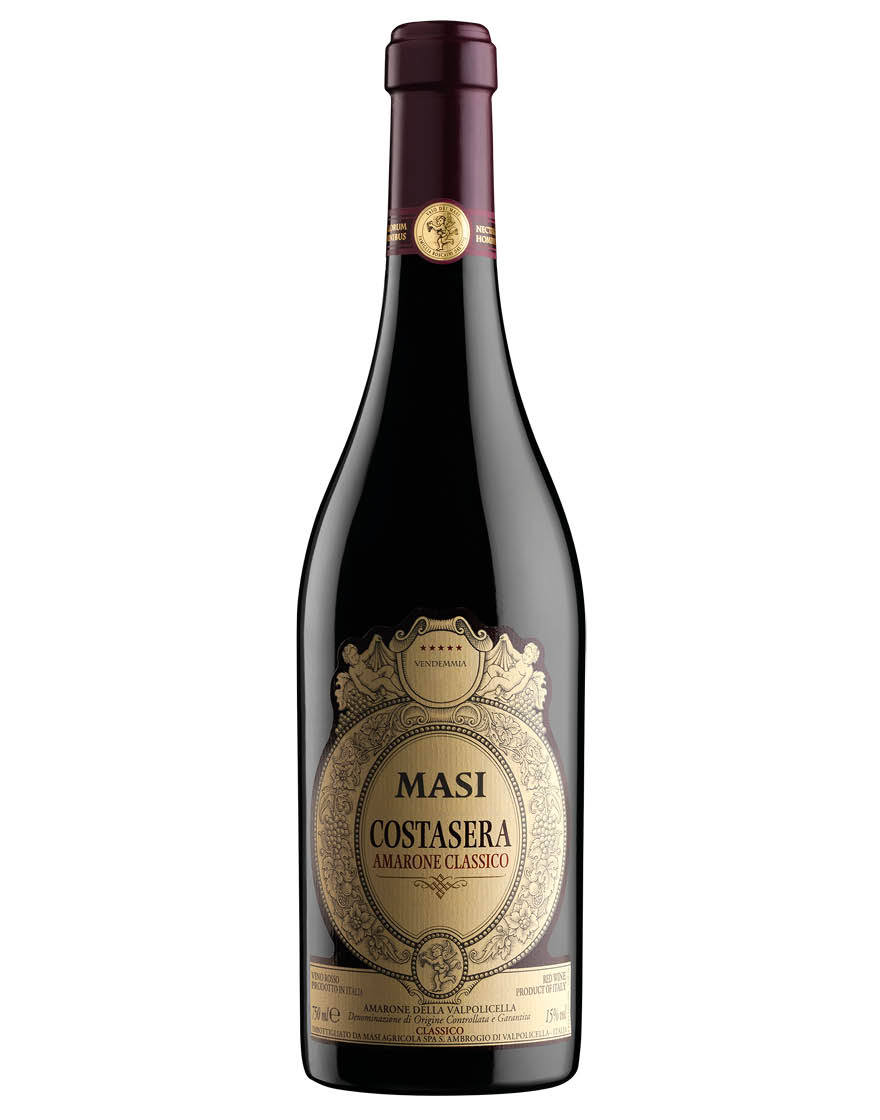
The Amarone della Valpolicella Classico Costasera by Masi is a red wine from the historic Valpolicella Classica area. It is produced from Corvina Veronese, Rondinella, and Molinara, exhibiting a structured and complex style. Vinification includes appassimento of the grapes on bamboo racks and subsequent fermentation in stainless steel. Aging for 24 months in Slavonian oak barrels provides elegance and a profile suited to long aging.
Where it comes from
The vines for Amarone Costasera grow in the Valpolicella Classica, in Veneto, along the slopes overlooking Lake Garda. The continental climate, moderated by the lake’s breezes, allows for balanced grape ripening. Gravelly and calcareous soils, rich in minerals, enhance aromatic complexity and structure, also thanks to altitudes between 200 and 350 meters.
How it is produced
The Corvina, Rondinella, and Molinara grapes are hand-picked and carefully selected. After a late harvest, the bunches rest for about four months on bamboo racks in controlled appassimento, concentrating sugars and aromas. Fermentation takes place in steel at controlled temperature. Part of the wine ages for 24 months in Slavonian oak barrels, while the rest matures in barrique, resulting in greater structure and roundness.
Tasting notes
It appears a deep ruby red with garnet highlights. The nose offers a broad bouquet of cooked fruit, ripe plums, and cherries, with hints of cocoa, coffee, and sweet spices. On the palate, it is full-bodied and enveloping, with soft, well-defined tannins balanced by fresh acidity. The finish is long, with notes of licorice and tobacco.
Food pairings
Amarone Costasera pairs well with grilled red meats, roasts, and game such as braised deer or wild boar. It is also suitable for rich stews and aged cheeses, including Parmigiano Reggiano. A typical local pairing is risotto all’Amarone, while braised meats in red wine enhance the structure and intensity of the wine.
When to serve it
This Amarone Classico shows excellent potential for bottle aging and can be enjoyed even after several years. Serve at 18–20°C in a large glass to fully appreciate the aromatic spectrum. Further bottle aging harmonizes the tannins and aromas, resulting in a more balanced tasting experience.
16 products of Masi View all
16 products of Masi


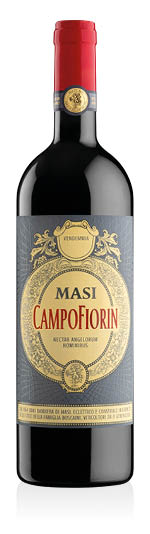
Verona IGT Rosso Campofiorin 2022 Masi
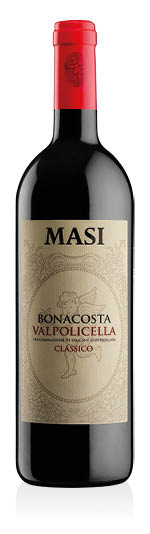
Valpolicella Classico DOC Bonacosta 2024 Masi


Trevenezie IGT Rosato Rosa dei 2024 Masi
You may also be interested in

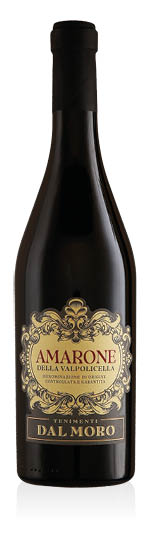
Amarone della Valpolicella DOCG 2022 Dal Moro
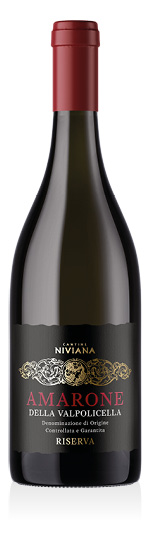
Amarone della Valpolicella DOCG Riserva 2019 Niviana

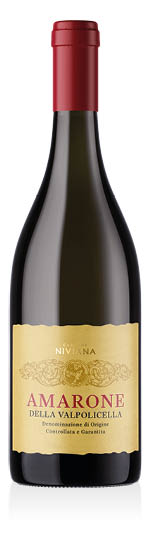
Amarone della Valpolicella DOCG 2020 Niviana

Amarone della Valpolicella Classico DOCG 2021 Tommasi
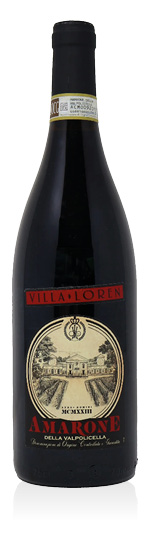
Amarone della Valpolicella DOCG 2021 Villa Loren