 View all
 Sparkling Wines
 Red Wines
 White Wines
 Rosé Wines
 Alcohol-free
 Fortified Wines
 Bag in box
 Best italian wines
 Passito Wines
 Champagne
 Sparkling Wines
 Red Wines
 White Wines
 Rosé Wines
 Fortified Wines
 Passito Wines
 Mixology
 Olive Oil
 Vinegar
 Accessories
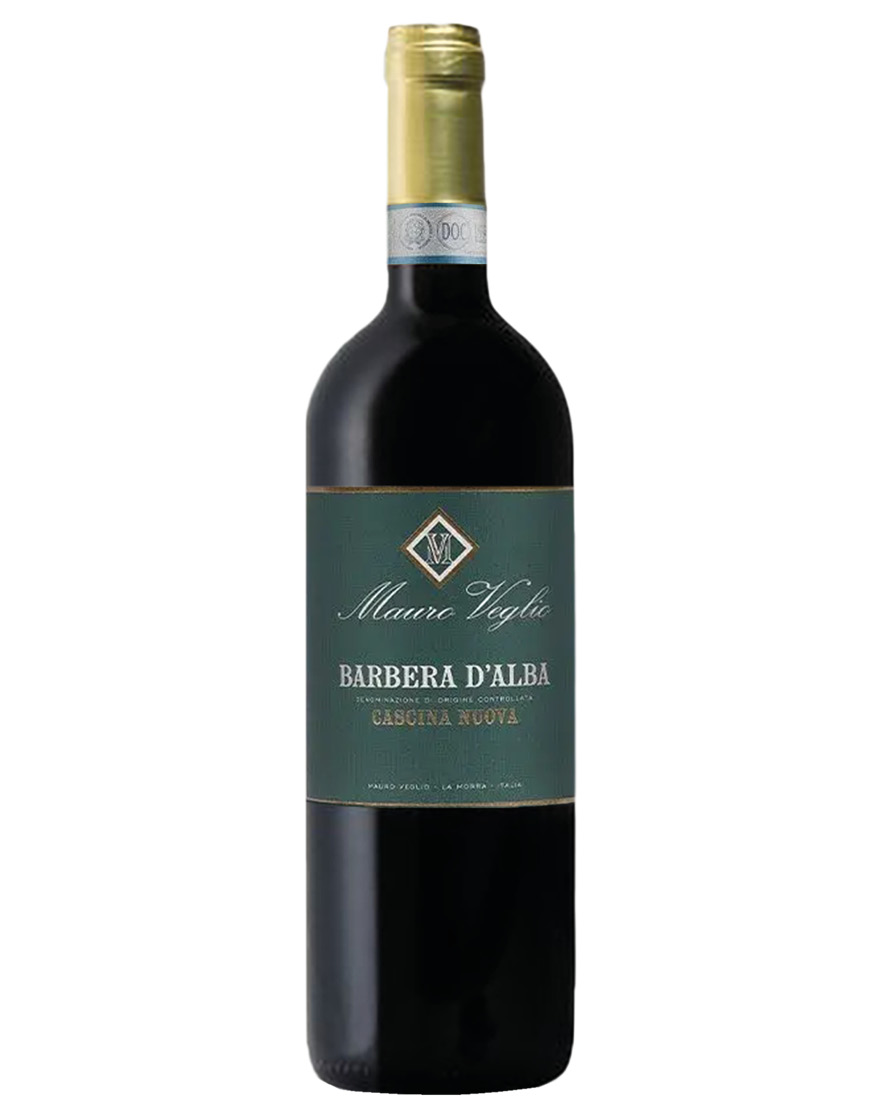
Product details
 You can also order it by phone by speaking with us.
Description
What kind of wine is it
Barbera d’Alba Cascina Nuova by Mauro Veglio is a red wine from Piedmont made exclusively from Barbera grapes. It displays a structured and complex style thanks to vinification in steel and ageing in small, second- and third-use oak barrels. The profile combines full body, freshness, and elegance, maintains balance, and offers potential for evolution over time.
Where it comes from
The grapes come from vineyards at an altitude of 250–300 meters, adjacent to the Arborina cru, in the heart of the Langhe. The continental climate with significant temperature variation ensures even ripening. Clay and calcareous-marl soils lend structure and marked minerality, elements that give this Barbera a deep and defined character.
How it is produced
The harvest is manual with careful selection. Fermentation takes place in temperature-controlled steel vats, with maceration on the skins for about thirty days. After spontaneous malolactic fermentation, the wine matures for eighteen months in oak barrels of second and third use, some of which are new. Bottling is carried out without invasive filtration to preserve aromatic complexity and integrity.
Tasting notes
In the glass, it shows an intense ruby red with violet reflections. The nose offers wide notes of plum jam, ripe cherry, and delicate hints of elderflower. The palate is decisive, supported by fresh acidity and defined tannins, while a savoury minerality enhances balance and length.
Food pairings
This Barbera d’Alba pairs well with charcuterie such as coppa and salami, rustic soups, and boiled meats. For regional cuisine, it matches well with tajarin al ragù and carne cruda all’albese. Its freshness and vivid tannic texture also suit agnolotti del plin filled with braised meat and semi-aged cheeses.
When to serve it
It is best to open after a period of bottle age, so that wood and fruit can harmonise. The full structure and balanced acidity support a cellar potential of five to six years, increasing in complexity without losing vitality. Serve at a moderate temperature in a large glass, after a brief decanting.
8 products of Mauro Veglio View all
8 products of Mauro Veglio


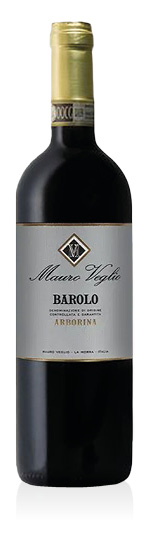
Barolo DOCG Arborina 2021 Mauro Veglio

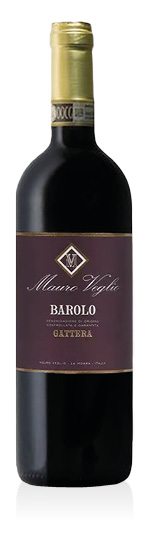
Barolo DOCG Gattera 2019 Mauro Veglio
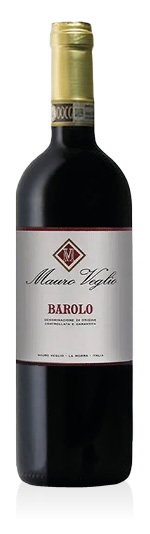
Barolo DOCG 2021 Mauro Veglio
You may also be interested in

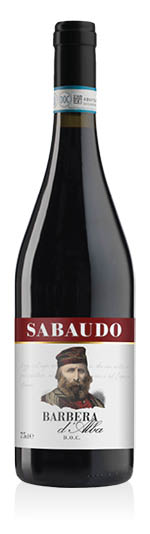
Barbera d'Alba DOC 2023 Sabaudo
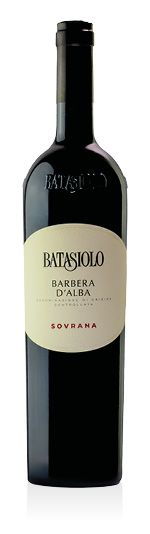
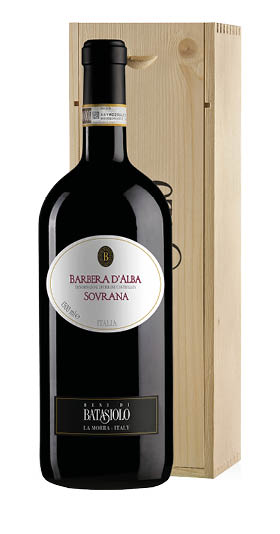
Barbera d'Alba DOC Sovrana 2023 Beni di Batasiolo
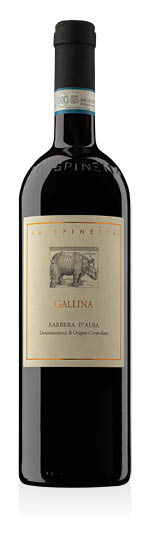
Barbera d'Alba DOC Gallina 2022 La Spinetta

Barbera d'Alba DOC 2023 Pio Cesare
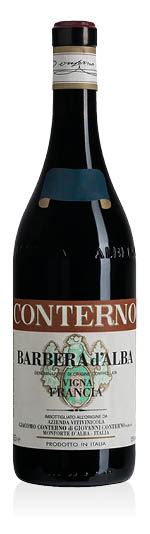
Barbera d'Alba DOC Vigna Francia 2023 Giacomo Conterno