 View all
 Sparkling Wines
 Red Wines
 White Wines
 Rosé Wines
 Alcohol-free
 Fortified Wines
 Bag in box
 Best italian wines
 Passito Wines
 Champagne
 Sparkling Wines
 Red Wines
 White Wines
 Rosé Wines
 Fortified Wines
 Passito Wines
 Mixology
 Olive Oil
 Vinegar
 Accessories
Product details
 You can also order it by phone by speaking with us.

Description
What kind of wine is it
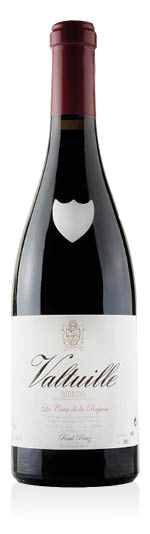
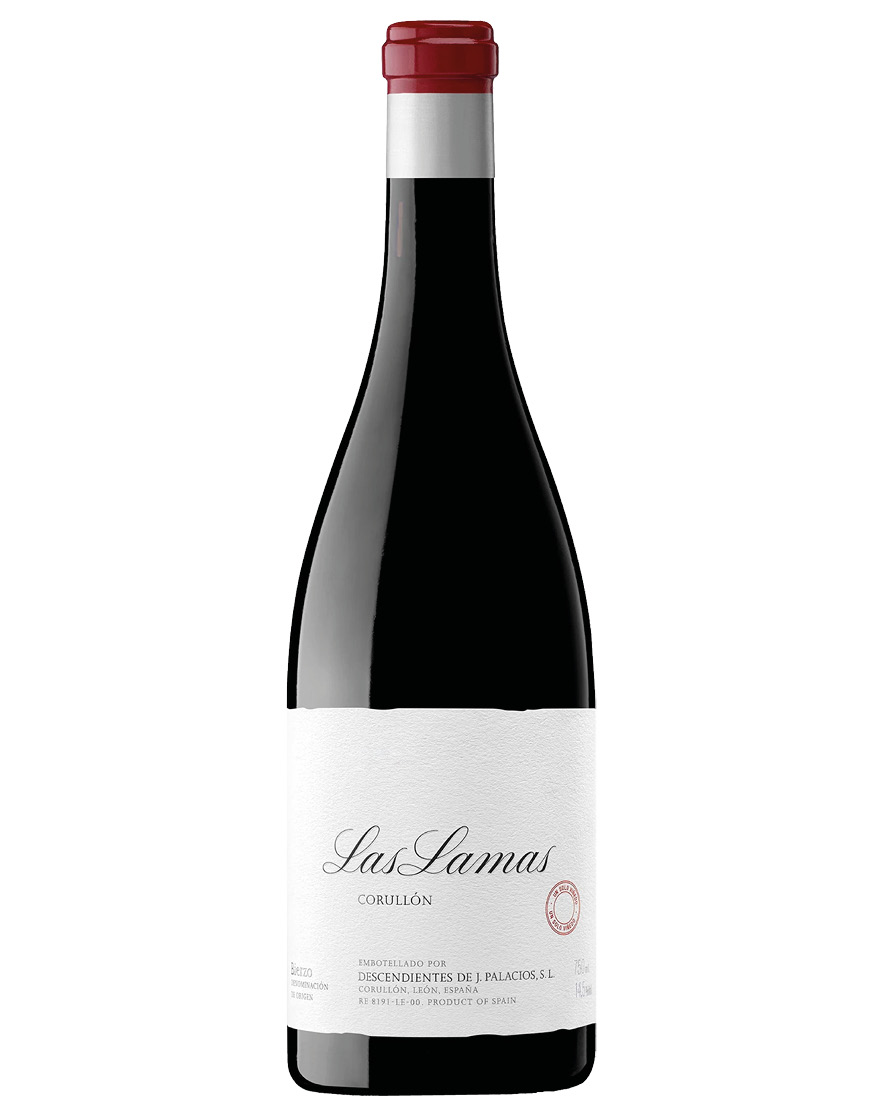
Las Lamas is a red wine from Bierzo, Spain, produced by Descendientes de J. Palacios and made from Mencía grapes. It comes from a single vineyard and presents an intense profile, characterized by material density and vibrant freshness. The aging in new French oak barriques adds depth, clear tannic definition, and aromatic complexity, while maintaining precise balance.
Where does it come from
It comes from Bierzo, Spain, from a one-hectare vineyard with southern exposure. The vines are over sixty years old and root deep in schist and clay soils, a combination that ensures a solid structural texture. The small size of the parcel and the approach based on low yields concentrate the fruit, defining a character in tune with its terroir.
How is it made
The vinification starts from Mencía grapes grown using organic farming methods to preserve the integrity of the raw material. After fermentation, the wine undergoes prolonged aging of sixteen to eighteen months in French oak barriques. This period in wood is fundamental for developing flavor richness, expanding complexity and enhancing the final sense of balance.
Tasting notes
Visually, it displays good color concentration that reflects its structured approach. On the nose, distinct aromas of ripe fruit emerge, complemented by a delicate hint of aromatic herbs and subtle nuances from the oak. On the palate, it is dense and velvety, supported by deep but balanced tannins, with a long, enveloping finish marked by pleasant freshness.
Food pairings
It pairs naturally with red meat dishes, game recipes, and a selection of aged cheeses. Its dense texture and fresh finish create excellent synergy with flavorful and succulent preparations and blend perfectly with protein-rich foods. A very traditional pairing is roast lamb, which highlights the persistence and aromatic nuances of the wine.
When to serve it
It’s the ideal choice to accompany a special table and rich dishes. The wine’s solid backbone supports a stable profile that expresses itself best after a brief aeration before serving in the glass. It can be enjoyed now to appreciate its freshness or set aside for cellar aging for an intriguing evolution over time.
4 products of Descendientes de Jose Palacios View all
4 products of Descendientes de Jose Palacios


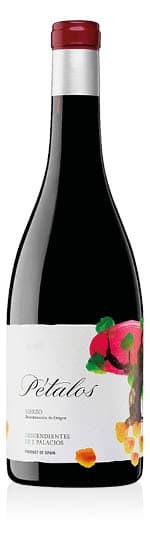
Bierzo DO Pétalos 2022 Descendientes de Jose Palacios


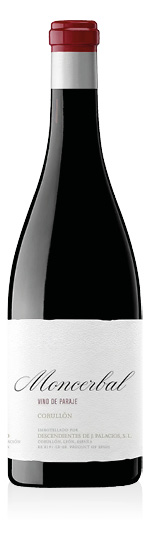
Bierzo DO Moncerbal 2021 Descendientes de Jose Palacios

Bierzo DO La Faraona 2022 Descendientes de Jose Palacios
You may also be interested in

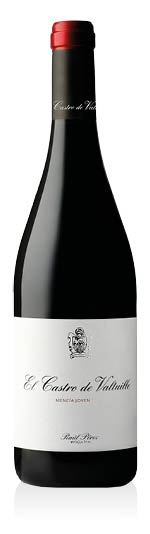
Bierzo DO Mencía Joven El Castro de Valtuille 2024 Castro Ventosa
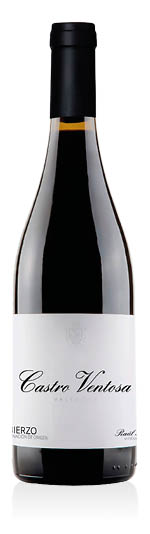
Bierzo DO Valtuille 2023 Castro Ventosa
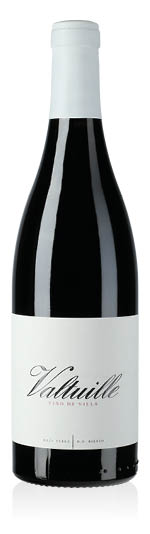
Bierzo DO Valtuille Vino de Villa 2023 Castro Ventosa
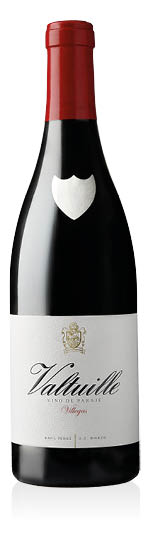
Bierzo DO Valtuille Villegas 2023 Castro Ventosa
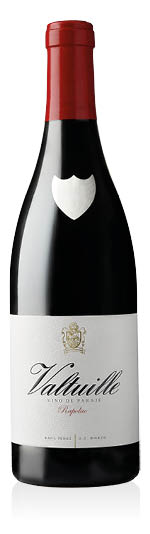
Bierzo DO Valtuille Rapolao 2023 Castro Ventosa