 View all
 Sparkling Wines
 Red Wines
 White Wines
 Rosé Wines
 Alcohol-free
 Fortified Wines
 Bag in box
 Best italian wines
 Passito Wines
 Champagne
 Sparkling Wines
 Red Wines
 White Wines
 Rosé Wines
 Fortified Wines
 Passito Wines
 Mixology
 Olive Oil
 Vinegar
 Accessories
Product details
 You can also order it by phone by speaking with us.


Description
What type of wine it is
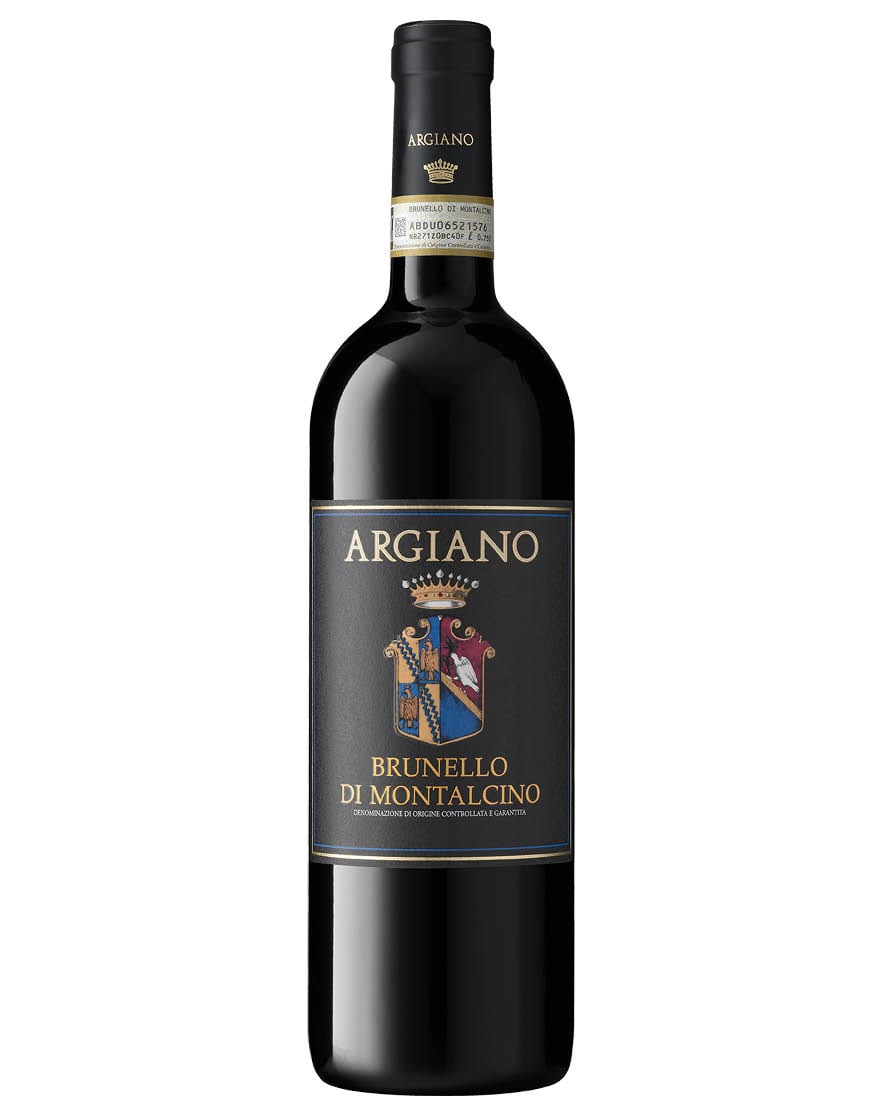
Argiano's Brunello di Montalcino is a still red wine made from Sangiovese grapes grown in Montalcino, Tuscany. It displays a solid structure and a measured style, with dense tannins and a well-integrated acidic texture. Vinification includes fermentation in steel tanks with maceration on the skins, followed by maturation in Slavonian oak barrels and bottle aging. These choices define aromatic precision and a high potential for development.
Where it comes from
It originates in the municipality of Montalcino, in the hilly area south of Siena, within the Brunello di Montalcino zone. Argiano’s vineyards are located at 280–310 meters above sea level on soils of marl and clay with a strong calcareous component. The Mediterranean climate, with wide temperature swings and good ventilation, encourages phenolic ripening and the health of the grapes. Organic management and vines between 12 and 60 years old ensure a distinctive and consistent profile.
How it is made
Harvesting takes place at the end of September at optimal maturity. The must ferments spontaneously in steel tanks at controlled temperatures for about two weeks, with maceration on the skins to extract color and aroma. After malolactic fermentation, the wine matures for 30 months in Slavonian oak barrels of various sizes, then rests for a long period in the bottle. The result shows balance, stability and a predisposition for evolution.
Tasting notes
The wine shows a bright ruby red color with good consistency. On the nose, there are notes of plum and morello cherry, followed by sweet spices and well-integrated wood. On the palate, the entry is energetic, the progression is based on freshness and dense, tidy tannins. The finish remains dry and precise, with fruity and spicy echoes that confirm overall harmony.
Food pairings
Structure and tannins support red meats, game, and roasts. It pairs well with braised meats, rib-eye steaks, grilled meats and hard aged cheeses. In Tuscan cuisine, it complements Florentine steak and wild boar stew, emphasizing the wine’s persistence. It is also excellent with "peposo all’imprunetina", where the spiciness of the dish echoes that of the wine.
When to serve
Serve at 16–18 °C, decanted to allow aromatic expression and tannin harmonization. It is well-suited for convivial occasions with important dishes and for tastings thanks to its structure and clean development. Ageing in large barrels and long bottle maturation mean it can be kept for years in proper conditions, with positive evolution over time.
2 products of Argiano View all
2 products of Argiano

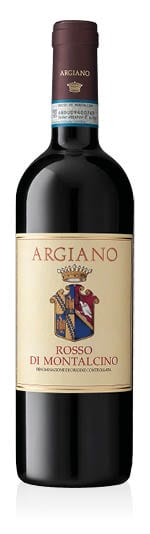
Rosso di Montalcino DOC 2024 Argiano


You may also be interested in


Brunello di Montalcino DOCG 2021 Banfi
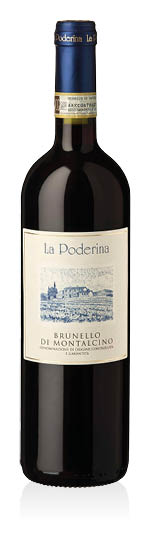
Brunello di Montalcino DOCG 2020 La Poderina

Brunello di Montalcino Riserva DOCG 2019 Pian del Prete
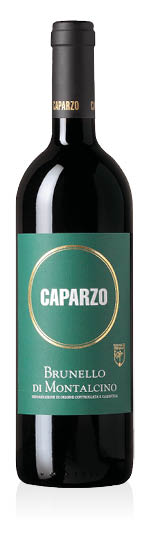
Brunello di Montalcino DOCG 2020 Caparzo
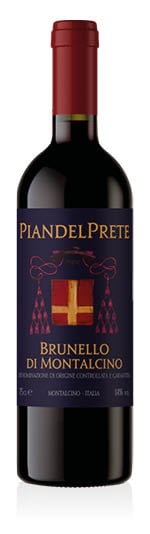
Brunello di Montalcino DOCG 2020 Pian del Prete