 View all
 Sparkling Wines
 Red Wines
 White Wines
 Rosé Wines
 Alcohol-free
 Fortified Wines
 Bag in box
 Best italian wines
 Passito Wines
 Champagne
 Sparkling Wines
 Red Wines
 White Wines
 Rosé Wines
 Fortified Wines
 Passito Wines
 Mixology
 Olive Oil
 Vinegar
 Accessories


Product details


Description
What kind of wine is it
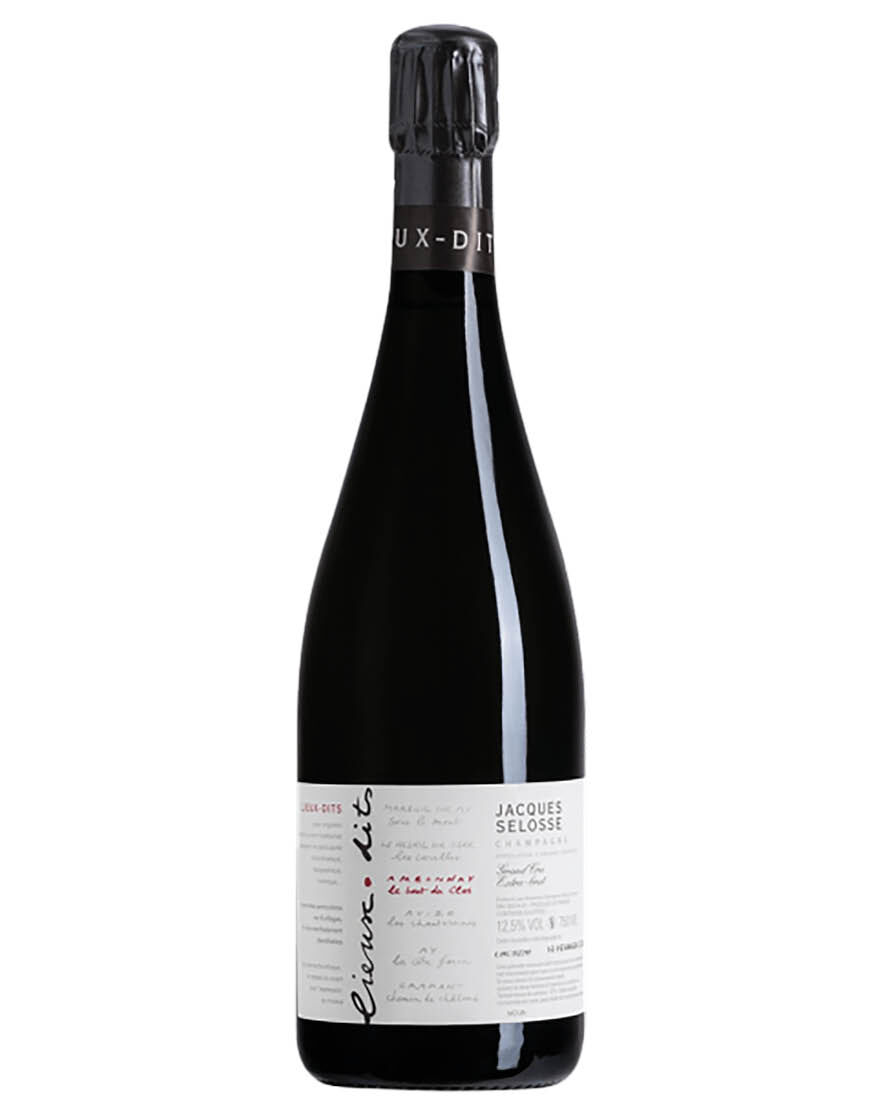
Le Bout du Clos by Jacques Selosse is a Champagne Grand Cru made exclusively from Pinot Noir grapes. The Extra Brut style defines a wine with precise and profound structure, boasting a rich and well-shaped texture. Vinification involves fermentation in oak barrels and prolonged aging on the lees; the wine is made using the perpetual reserve method. It stands out for its elegance, saline finish, and fine, consistent mousse.
Where does it come from
This wine comes from the lieu-dit Le Bout du Clos in Ambonnay, one of the most renowned crus in the area. Here, the Pinot Noir benefits from a cool climate, which favors balanced ripening of the grapes. The identity of this single vineyard allows for the authentic characteristics of the terroir to shine through, offering a long and saline finish.
How it is made
The Pinot Noir grapes are vinified with fermentation in oak barrels, a choice that helps build volume and aromatic complexity. The blend is created through the perpetual reserve method, combining wines from previous vintages with the most recent to ensure continuity and depth of flavor. The Extra Brut dosage maintains a dry and linear profile.
Tasting notes
In the glass, it shows a golden yellow color, accompanied by a fine and precise mousse that attests to the integration of the foam. On the nose, it reveals notes of buttery puff pastry, orange oil, pear, and sweet spices—a result of the extended aging on the lees. The palate features a medium-full body, a soft and enveloping entrance, and a fleshy fruit core. The sip extends toward a saline and mineral finish, offering a tense and focused sensation.
Food pairings
On the table, it is an ideal companion for shellfish and seafood dishes and is particularly well-suited to seafood risottos, where the creaminess of the palate counterbalances the savoriness of the dish. The structure and dry profile of an Extra Brut allow for successful pairings with aged cheeses, effectively cleansing the palate. Classic seafood preparations, such as bouillabaisse or seared scallops, are enhanced by the delicate mousse and mineral notes.
When to serve it
It is recommended to accompany an entire fish-based meal or to open the evening with a structured and complex aperitif. Best served chilled to highlight the mousse and mineral finish. The extended aging on the lees and use of wood suggest it has potential to evolve over time. It can be enjoyed immediately to appreciate its tension or cellared for greater aromatic evolution.
You may also be interested in


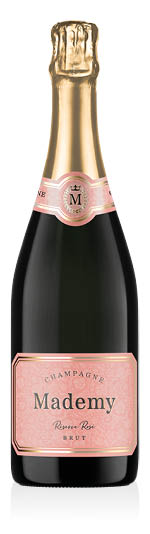
Champagne AOC Rosé Brut Grande Réserve Mademy

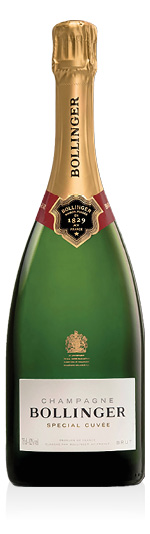
Champagne AOC Brut Special Cuvée Bollinger

Champagne AOC Grand Cru Ambonnay Brut Rosé Cuvée 2 Secondé Simon Laurier
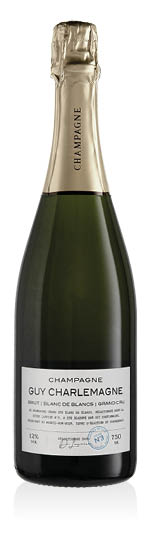
Champagne AOC Grand Cru Brut Cuvée 3 Blanc de Blancs Guy Charlemagne Laurier

Champagne AOC Grand Cru Bouzy Nature Cuvée 4 Delavenne Laurier