View all
 Champagne
 Sparkling Wines
 Red Wines
 White Wines
 Rosé Wines
 Alcohol-free
 Bag in box
 Fortified Wines
 Passito Wines
 Cocktails
 Gin
Gin
 Whisky
 Liqueur
 Grappa
 Rum
Rum
 Alcohol-free
 Brandy
 Eau de vie
 Tequila
 Vodka
Vodka
 Mixology
 Beers
Beers
 Olive Oil
 Vinegar
 Accessories
Product details

Description
What kind of wine is it
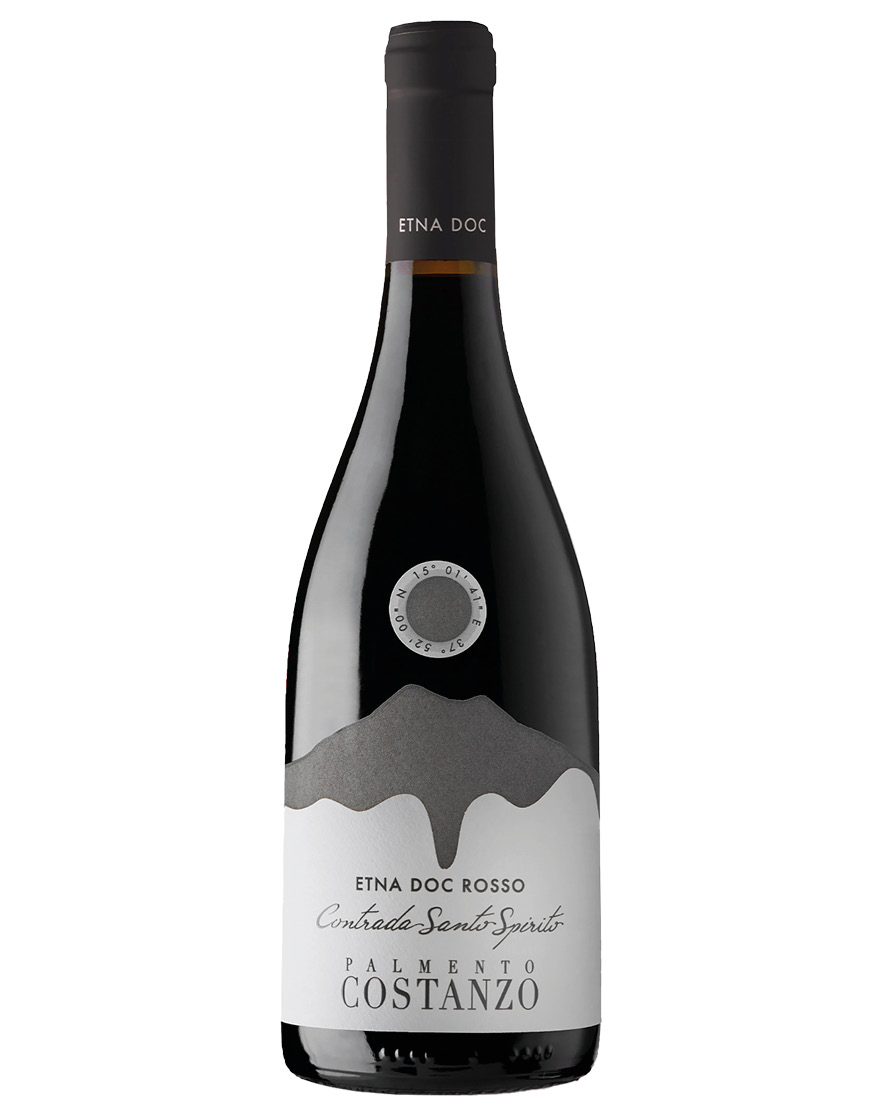
Etna Rosso Contrada Santo Spirito Palmento Costanzo is a red wine from Etna made from Nerello Mascalese and Nerello Cappuccio. It comes from bush-trained vines grown according to organic farming principles and offers an elegant and structured profile, supported by good freshness and fine tannins. Fermentation in wood and a long ageing process between barrels and bottle enhance the natural complexity of the wine and define its style.
Where it comes from
This wine comes from Sicily, on the slopes of Mount Etna in the municipality of Passopisciaro, in Contrada Santo Spirito. The vineyards are located on high-altitude terraces at the foot of the volcano, while the soils consist of black and brown volcanic sands with plenty of stones and effusive rocks. This mountain and volcanic environment guides the wine towards aromatic precision and a mineral character consistent with its origin.
How it is produced
The grapes are harvested from bush-trained vineyards and vinified with fermentation in French oak truncated-cone vats. This is followed by maceration on the skins for up to twenty days, then malolactic fermentation occurs. Ageing continues for two years in oval Ovum French oak casks, before about twelve months' rest in the bottle: a journey that consolidates structure and integration, respecting the varietal and territorial character.
Tasting notes
The aromatic profile is rich and layered, with hints of ripe red fruit, sweet spices, and balsamic notes, accompanied by mineral nuances linked to the volcanic soils. On the palate, the wine is elegant and composed, with fine, well-integrated tannins, good freshness and a persistent finish that maintains balance and depth.
Food pairings
At the table, it naturally pairs with roasted meats, game dishes, and aged cheeses. Its freshness and measured tannins support intense flavours, while its aromatic persistence pairs well with long-cooked dishes and matured cheeses.
When to serve it
It is a red wine suitable for convivial occasions, especially when the menu features roasts, game, or aged cheeses. The two years of ageing in barrels and the subsequent rest in the bottle already make it enjoyable at this expressive stage, with the possibility to gain even more aromatic integration over time. It is chosen when you want a structured yet balanced sip, capable of complementing boldly flavoured dishes without being heavy.
3 products of Palmento Costanzo View all
3 products of Palmento Costanzo


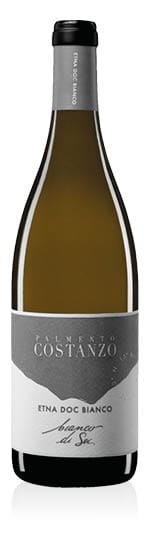
Etna Bianco DOC Bianco di Sei 2023 Palmento Costanzo

Etna Rosso DOC Mofete 2022 Palmento Costanzo
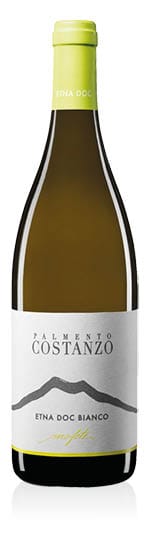
Etna Bianco DOC Mofete 2024 Palmento Costanzo
You may also be interested in


Etna Rosso DOC 2023 Inessa


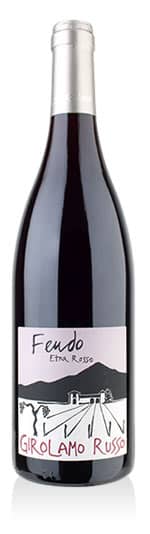
Etna DOC Rosso Contrada Feudo 2022 Girolamo Russo

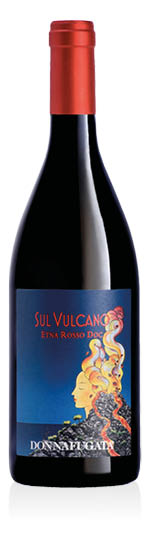
Etna Rosso DOC Sul Vulcano 2021 Donnafugata