 View all
 Sparkling Wines
 Red Wines
 White Wines
 Rosé Wines
 Alcohol-free
 Fortified Wines
 Bag in box
 Best italian wines
 Passito Wines
 Champagne
 Sparkling Wines
 Red Wines
 White Wines
 Rosé Wines
 Fortified Wines
 Passito Wines
 Mixology
 Olive Oil
 Vinegar
 Accessories


Product details
 You can also order it by phone by speaking with us.
Description
What kind of wine is it
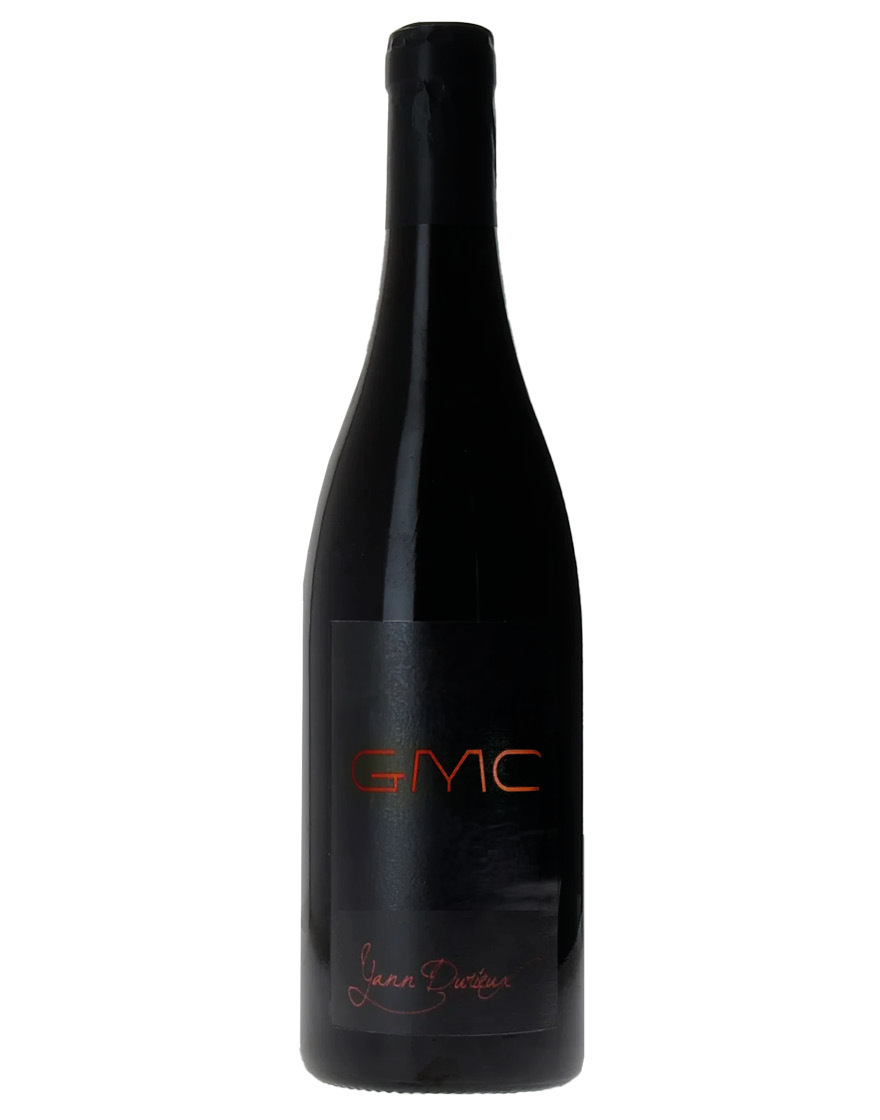
GMC by Yann Durieux is a red wine from the Hautes-Côtes de Nuits, in Burgundy, made from biodynamically grown Gamay grapes. The winemaking follows a natural approach with minimal intervention to preserve a direct and transparent profile. The wine stands out for its dark fruit, freshness, and fine tannic texture, offering a smooth and precise drinking experience. Fermentation and aging aim to bring out the purity of the fruit and the identity of the soil, offering an authentic reflection of the land.
Where it comes from
The grapes come from the village of Messanges, in the hilly area of the Hautes-Côtes de Nuits, which is the hinterland of the Côte de Nuits in Burgundy. The continental climate with strong temperature fluctuations promotes vibrant acidity and slow ripening. Soils rich in marl, limestone, and clay provide tension and a distinctive mineral note. The choice of the Vin de France classification allows expressive freedom and maintains a strong connection with the local character.
How it is produced
Harvesting is done with attention to phenolic ripeness and the integrity of the bunches, in line with biodynamic management. In the cellar, vinification involves minimal intervention, with no added sulfites and no filtration. A prolonged maceration on the skins extracts aromas and structure gradually. Aging in used barriques limits the influence of the wood, keeping the focus on the fruit and the profile of the soil.
Tasting notes
To the eye, it shows a light garnet color, transparent, reflecting a measured extractive finesse. The nose reveals black cherry, dark fruits, forest floor, and delicate spices, with a floral hint that broadens the aromatic profile. On the palate, the entry is soft and velvety, followed by a marked and well-integrated acidity. Tannins are fine, the progression is linear, and the finish recalls dark fruit and a mineral sensation of wet stone.
Food pairing
The presence of fruit, freshness, and fine tannins makes this wine suitable for white meats and moderately structured dishes. It pairs well with pork fillet, even roasted, and vegetable pies, where the vegetal component finds balance in the vibrancy of the sip. Regionally, it accompanies Burgundian dishes with mushrooms and delicate cured meats. A traditional recommended pairing is quiche lorraine, which highlights the wine's acidity and smoothness.
When to serve it
This is a red for those who want a precise and dynamic wine, fit for both informal dinners and more curated occasions. It can be served slightly cool, around 14–16 °C, and brief decanting can be considered if the wine appears tight upon opening. Aging in used barriques preserves fruit purity, and the wine expresses its character best in the first years, maintaining energy, aromatic clarity, and balance.
2 products of Yann Durieux View all
2 products of Yann Durieux


Vin de France Night Cost 2017 Yann Durieux
You may also be interested in


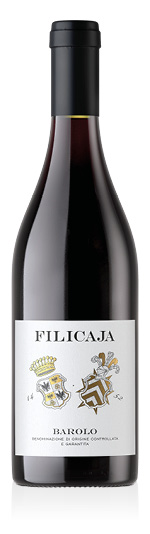
Barolo DOCG 2022 Villa da Filicaja
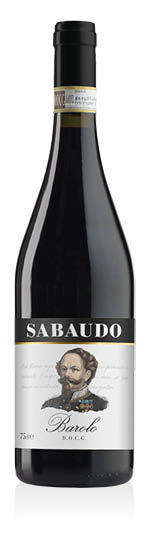
Barolo DOCG 2022 Sabaudo

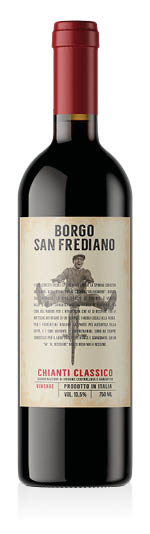
Chianti Classico DOCG Vintage 2024 Borgo San Frediano
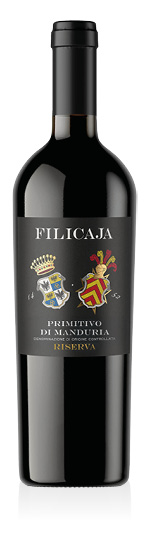
Primitivo di Manduria Riserva DOC Collezione del Conte 2022 Villa da Filicaja
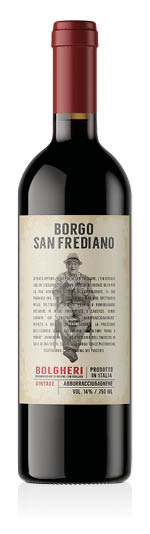
Bolgheri DOC Abburracciugagnene 2023 Borgo San Frediano