 View all
 Sparkling Wines
 Red Wines
 White Wines
 Rosé Wines
 Alcohol-free
 Fortified Wines
 Bag in box
 Best italian wines
 Passito Wines
 Champagne
 Sparkling Wines
 Red Wines
 White Wines
 Rosé Wines
 Fortified Wines
 Passito Wines
 Mixology
 Olive Oil
 Vinegar
 Accessories


Product details
 You can also order it by phone by speaking with us.
Description
What kind of wine it is
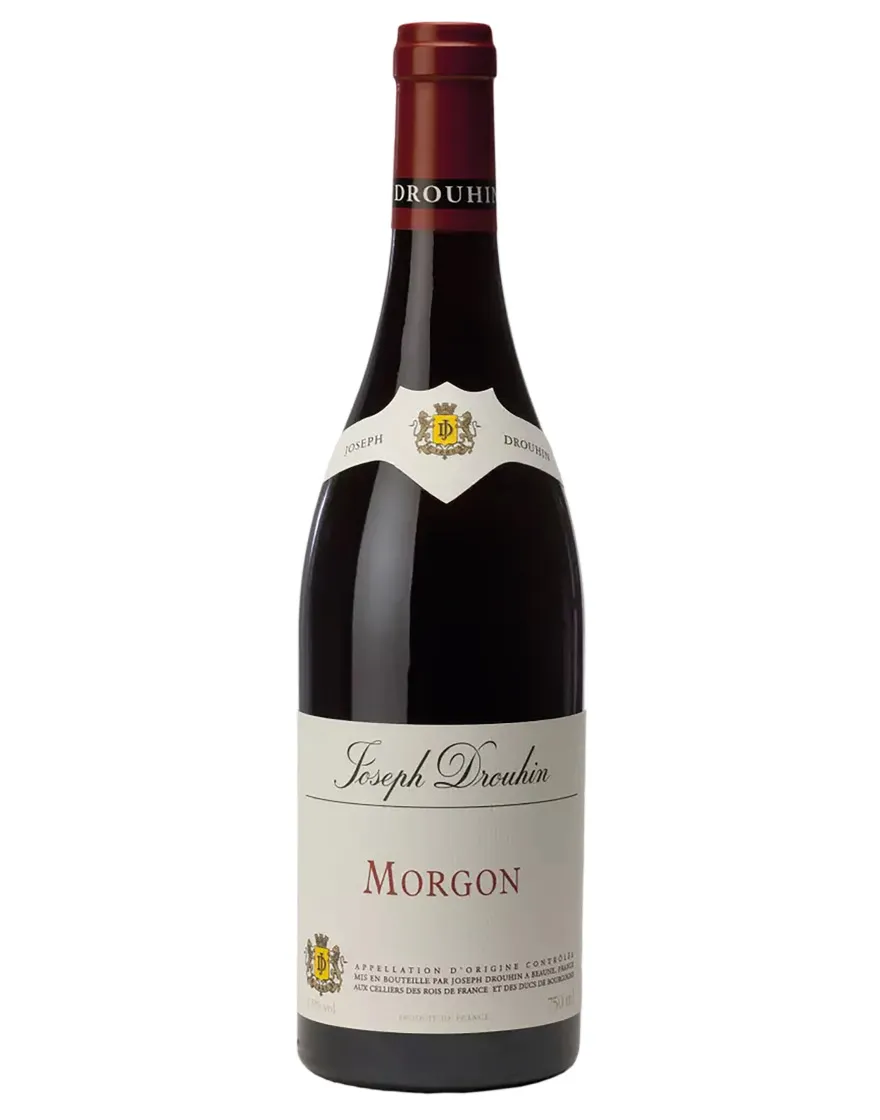
Morgon by Joseph Drouhin is a red wine from Beaujolais made exclusively from Gamay grapes. It is one of the most structured Morgons in the region, featuring an intense profile and good ageing potential. The winemaking follows the traditional semi-carbonic method of Beaujolais with whole clusters, involving maceration in tanks and subsequent aging in vats, resulting in a style that offers clear fruit, a full texture, and a long finish.
Where it comes from
This Morgon originates in the heart of Beaujolais, in the commune of Villié-Morgon, in an area between Régnié and Chiroubles. The region features soils of fragmented schist, a distinctive element that directly contributes to the wine’s character and particular longevity. In this area, the relationship between Gamay and soil results in a solid and defined signature.
How it is produced
The production follows the traditional semi-carbonic method of Beaujolais, using whole clusters. Grapes and must come from selected partner producers according to a strict quality protocol. Maceration lasts from 4 to 10 days in tanks, with the duration modulated according to vintage characteristics, and aging continues for 10–12 months, always in vats, a choice that maintains balance and structure without oak influence.
Tasting notes
To the eye, it displays an intense garnet color. On the nose, it offers a powerful bouquet centered on cherries and small berries, with clear aromatic definition. On the palate, it is fleshy and well-structured, with a full texture and continuous progression; the finish is long and the aromatic richness is prominent in the aftertaste.
Food pairings
It naturally pairs with red meat, roasts, and aged cheeses, supporting dishes with substantial structure. Its fruity intensity and persistence complement juicy cuts and slow-cooked preparations, keeping each sip focused and consistent.
When to serve
It is ideal for lunches and dinners seeking structure and character, especially with meat courses or aged cheeses. Thanks to its typicity linked to fragmented schist soils and remarkable longevity, this wine can also be appreciated after some cellaring, following the evolution of fruit and texture over the medium term.
18 products of Joseph Drouhin View all
18 products of Joseph Drouhin


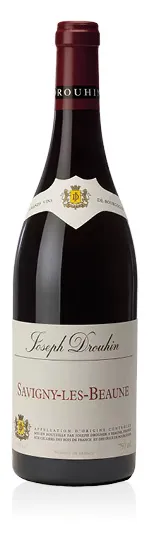
Savigny-Lès-Beaune AOC 2021 Joseph Drouhin
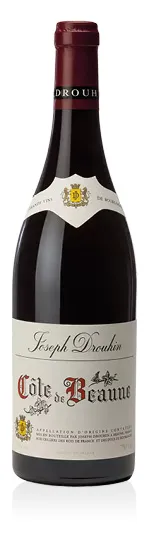
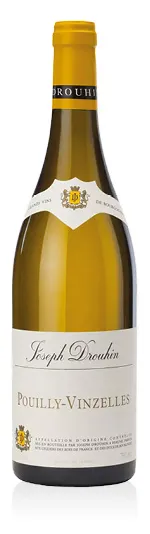
Pouilly-Vinzelles AOC 2021 Joseph Drouhin
You may also be interested in


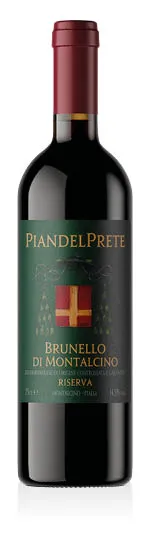
Brunello di Montalcino Riserva DOCG 2020 Pian del Prete
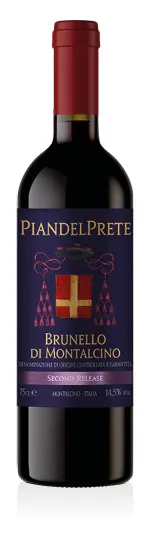
Brunello di Montalcino DOCG Second Release 2020 Pian del Prete
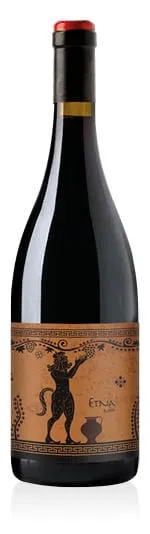
Etna Rosso DOC 2024 Inessa

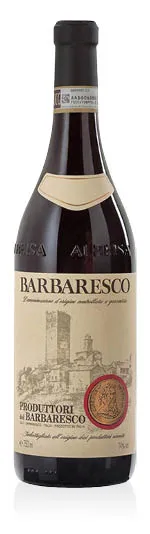
Barbaresco DOCG 2022 Produttori del Barbaresco
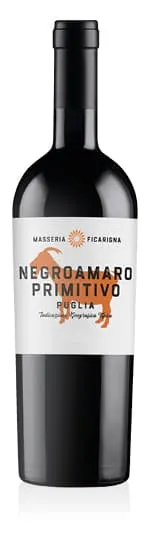
Puglia IGT Negroamaro-Primitivo 2024 Masseria Ficarigna