 View all
 Sparkling Wines
 Red Wines
 White Wines
 Rosé Wines
 Alcohol-free
 Fortified Wines
 Bag in box
 Best italian wines
 Passito Wines
 Champagne
 Sparkling Wines
 Red Wines
 White Wines
 Rosé Wines
 Fortified Wines
 Passito Wines
 Mixology
 Olive Oil
 Vinegar
 Accessories
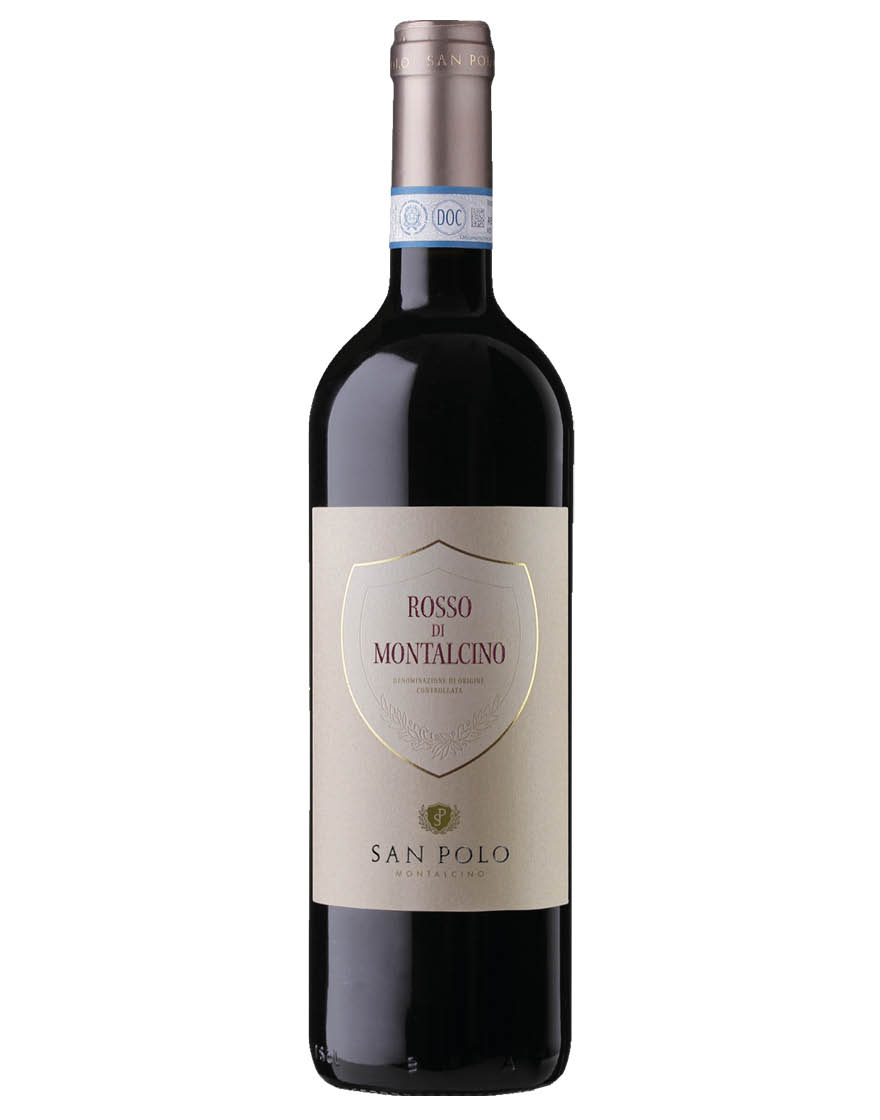


Product details
 You can also order it by phone by speaking with us.

Description
What kind of wine it is
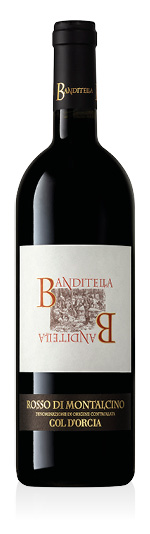
Rosso di Montalcino by San Polo is a red wine made from Sangiovese grapes cultivated in the estate vineyards. It expresses the region with a fresh and approachable style and displays a balanced structure. Vinification takes place in temperature-controlled cement tanks, followed by malolactic fermentation in large, lightly toasted oak barrels. The result is a harmonious profile, with well-integrated tannins and a pleasant aromatic persistence.
Where it comes from
This wine comes from the hills of Montalcino in Tuscany, at an altitude between 430 and 450 meters. The vineyards Vigna Rossa and Vigna d’Oriente, facing south and southeast, are set on calcareous-clay soils that provide excellent drainage and balanced ripening. The Mediterranean climate, with notable temperature shifts (a hallmark of the area), helps produce healthy and aromatic grapes. The Montalcino area boasts a long tradition of producing red wines with character and great ageing potential.
How it is made
The grapes are harvested by hand, with careful selection in both vineyard and winery. After soft pressing, fermentation takes place in cement tanks at 28–30 °C for 14–16 days. Malolactic fermentation and ageing then continue in large, lightly toasted oak barrels for twelve months, after which the wine matures further in the bottle, integrating structure and aromas.
Tasting notes
It displays an intense, clear, and brilliant ruby red color. On the nose, it offers a fragrant bouquet with notes of red fruits such as marasca cherry, sour cherry, and cherry, enriched with subtle hints of vanilla from the wood ageing. On the palate, it is soft, with a medium body, balanced tannins, and a fresh character that supports each sip. The finish is fruity and persistent, encouraging another taste.
Food pairings
Rosso di Montalcino by San Polo pairs well with traditional Tuscan dishes and Italian cuisine. It is ideal with pasta and risotto featuring mushrooms or truffles, and pork dishes. Among cheeses, it goes well with semi-mature pecorino toscano. It also complements ribollita, enhancing bold flavors thanks to its structure and freshness.
When to serve it
Thanks to its freshness and agile structure, this wine is ready to drink now but can evolve positively over a few years. The best time to enjoy it is between the second and fifth year after harvest, when tannins and aromas reach full balance. Serve at 16–18 °C in large glasses to best enjoy its bouquet and complex flavor.
1 product of San Polo View all
1 product of San Polo


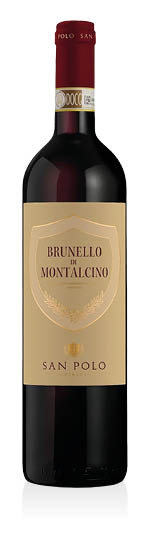
Brunello di Montalcino DOCG 2018 San Polo
You may also be interested in

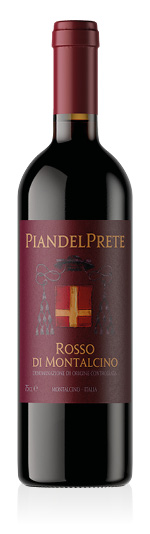
Rosso di Montalcino DOC 2024 Pian del Prete

Rosso di Montalcino DOC 2023 Villa da Filicaja

Rosso di Montalcino DOC 2024 La Poderina

Rosso di Montalcino DOC Pian delle Vigne 2024 Marchesi Antinori
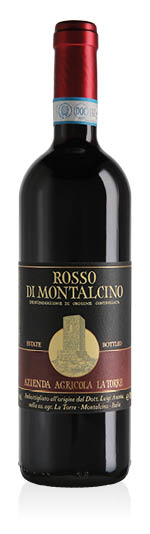
Rosso di Montalcino DOC 2023 Azienda Agricola La Torre