View all
 Champagne
 Sparkling Wines
 Red Wines
 White Wines
 Rosé Wines
 Alcohol-free
 Bag in box
 Fortified Wines
 Passito Wines
 Cocktails
 Gin
Gin
 Whisky
 Grappa
 Liqueur
 Rum
Rum
 Alcohol-free
 Brandy
 Eau de vie
 Tequila
 Vodka
Vodka
 Mixology
 Beers
Beers
 Olive Oil
 Vinegar
 Accessories
Product details
Description
What type of wine is it
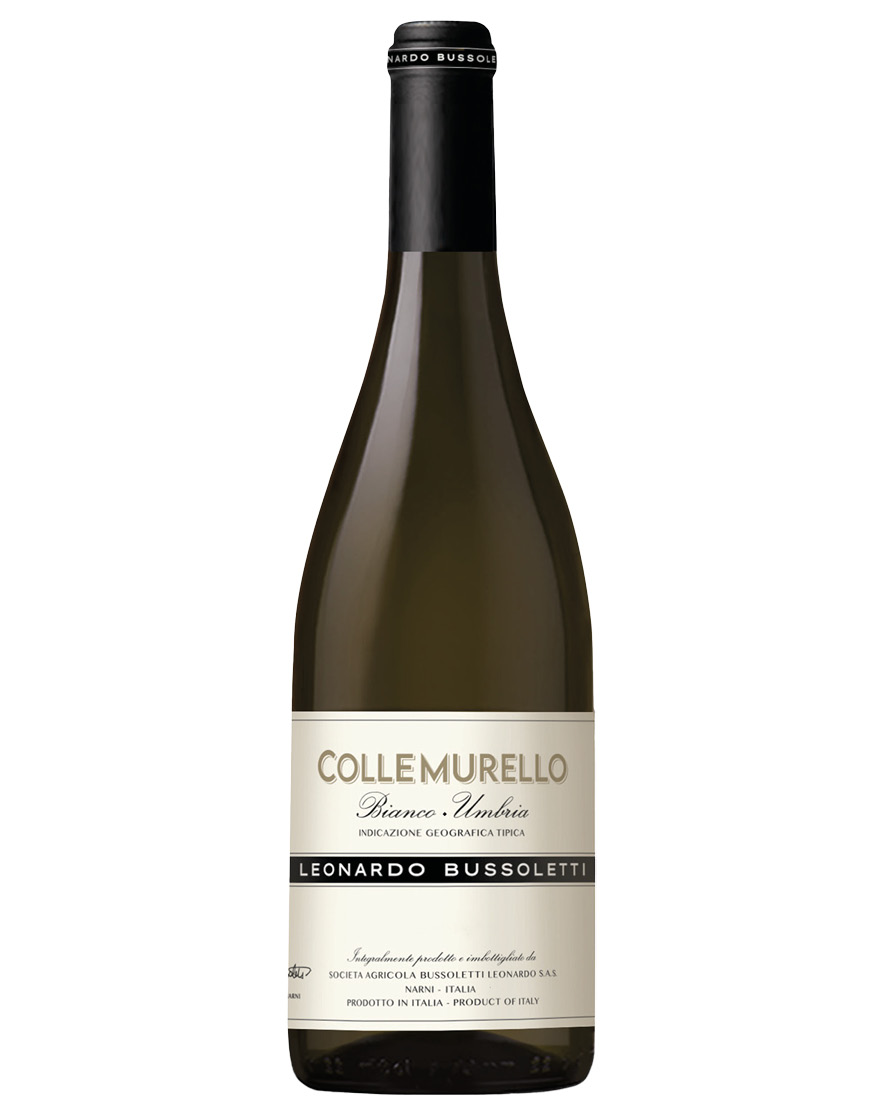
Colle Murello by Leonardo Bussoletti is a white wine from Umbria made with Trebbiano Spoletino. Vinification involves whole cluster pressing and fermentation in steel tanks, followed by maturation in a large French oak barrel and aging in bottle. The style offers freshness and richness on the palate, with good aromatic complexity and a persistent finish.
Where it comes from
This wine originates from the Colle Murello area, in the municipality of San Gemini, in the province of Terni, in the heart of Umbria. The Umbria geographical indication defines the origin and connects the wine to a recognizable territorial context. The choice of Trebbiano Spoletino as the only grape variety offers a profile of aromatic clarity and tension on the palate.
How it is produced
Production starts with whole cluster pressing, which allows for a clean must focused on the freshest elements of the grape. Fermentation takes place in steel tanks for 20–25 days, with a controlled approach that shapes the aromatic profile. The wine then matures 6 months in large French oak barrels, finishing with 6–8 months of bottle aging before being released.
Tasting notes
In the glass it shows an intense straw yellow color. On the nose there are notes of hawthorn and medlar, with hints of hydrocarbons adding depth. On the palate it is both dense and fresh, with a full development and an intense, persistent finish, leaving a lingering sensation of purity and drive.
Food pairings
At the table it pairs well with fish, shellfish and seafood dishes, enhancing both simple and more structured preparations thanks to its freshness and texture. It is suitable for fish grills, tartare, and carpaccio, as well as savory seafood pasta dishes.
When to serve it
This is a white suitable for convivial occasions and for serving throughout the meal when a fresh but substantial profile is desired. The balance between fermentation in steel tanks and maturation in large barrels makes it suitable both as an aperitif and with main meals, especially seafood cuisine. It is best after the planned bottle aging, when aromas and structure become more integrated and well-defined.
3 products of Leonardo Bussoletti View all
3 products of Leonardo Bussoletti


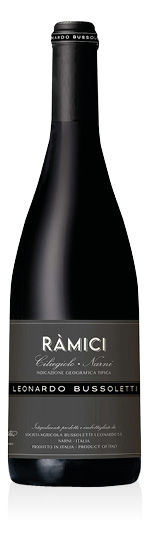
Umbria IGT Ciliegiolo di Narni Ràmici 2023 Leonardo Bussoletti

Umbria IGT Ciliegiolo di Narni Brecciaro 2023 Leonardo Bussoletti
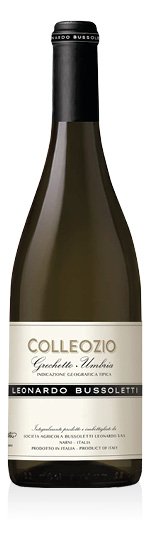
Umbria IGT Grechetto Colle Ozio 2024 Leonardo Bussoletti
You may also be interested in


Umbria IGT Castello della Sala Cervaro della Sala 2024 Marchesi Antinori
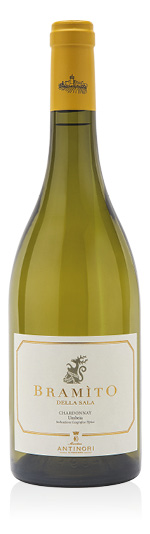
Umbria IGT Chardonnay Bramìto della Sala 2024 Marchesi Antinori

Umbria Bianco IGT Conte della Vipera Castello della Sala 2024 Marchesi Antinori
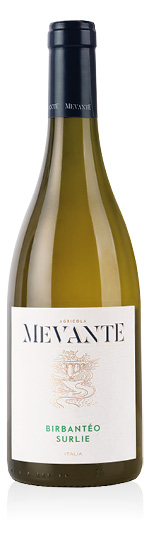
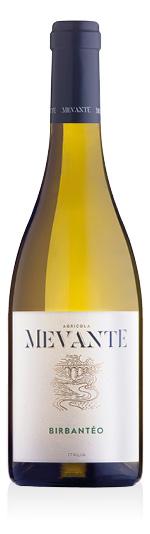
Umbria IGT Birbantéo Surlie 2020 Mevante

Umbria IGT Trebbiano Sua Signoria 2023 Briziarelli