 View all
 Champagne
 Sparkling Wines
 Red Wines
 White Wines
 Rosé Wines
 Alcohol-free
 Bag in box
 Fortified Wines
 Passito Wines
 Cocktails
 Gin
Gin
 Liqueur
 Whisky
 Rum
Rum
 Grappa
 Alcohol-free
 Brandy
 Eau de vie
 Tequila
 Vodka
Vodka
 Mixology
 Beers
Beers
 Olive Oil
 Vinegar
 Accessories


Product details

Description
What type of wine it is
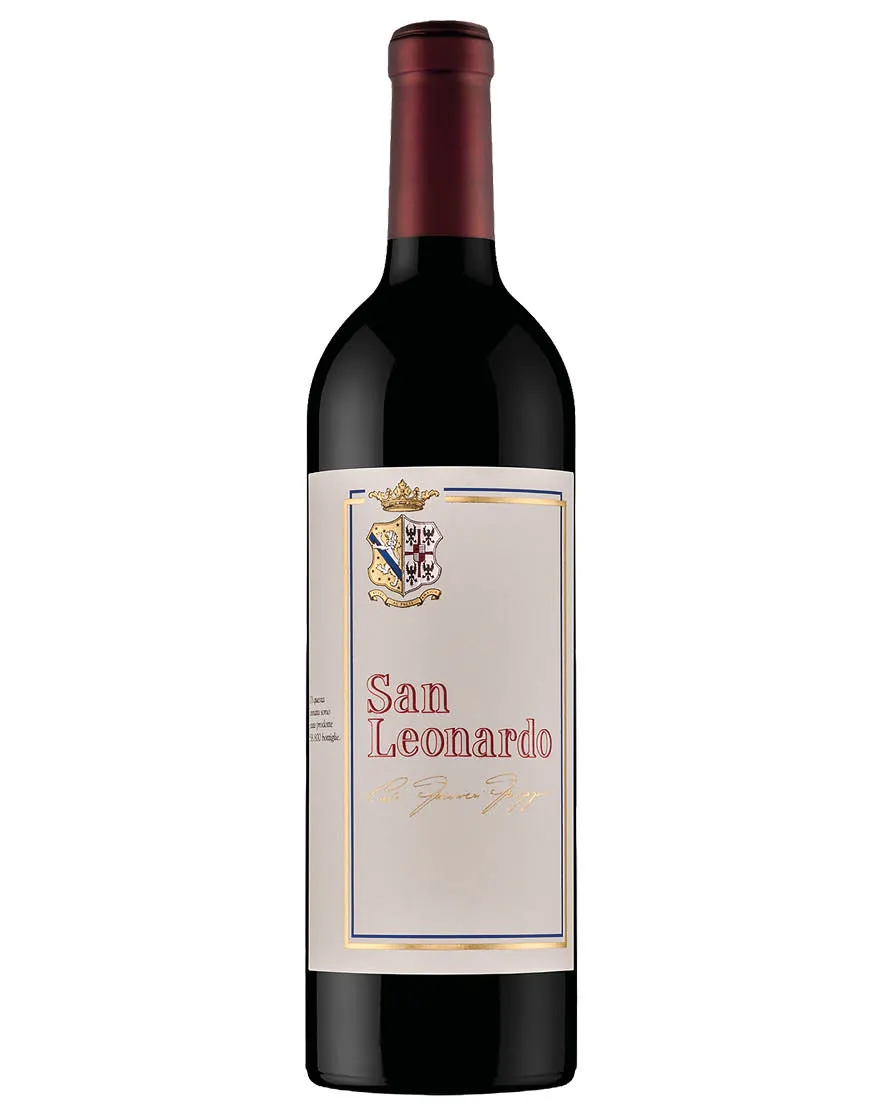
San Leonardo is the iconic red wine of the eponymous estate, made from Cabernet Sauvignon, Carménère and Merlot in the far south of Trentino. It is a Bordeaux-inspired blend with an elegant, well-structured profile, built on fine tannins and good balance. Fermentation takes place in cement vats with a 12–15 day maceration, and the wine ages for a long time in French oak, in both barriques and tonneaux, delivering an intense, well-defined profile.
Where it comes from
The grapes come from the San Leonardo vineyards in the far south of Trentino, within the ancient walls of a monastery. The rows lie between 120 and 300 meters above sea level, with exposures from southwest to northwest, in conditions that favor gradual ripening. Soils vary by variety: light and sandy for Cabernet Sauvignon and Carménère, clayey and well-drained for Merlot. The vines are 25–75 years old.
How it is produced
Fermentation occurs spontaneously in small cement vats, with 12–15 days of skin maceration and frequent pump-overs. After racking off, the wine undergoes malolactic fermentation in the same vats and is left to settle for a few months. Maturation lasts 24 months: part in barriques and part in medium-toast French-oak tonneaux, with first-, second- and third-use wood. After blending, the wine rests at least another 24 months in the cellar.
Tasting notes
Deep ruby red with garnet highlights. The nose is complex, with scents of wild berries, balsamic notes and hints of underbrush, tobacco and aromatic herbs. On the palate it combines vibrancy and elegance, with precise correspondence between aromas and flavors. The tannins are refined and integrated, supporting a deep, persistent and well-balanced finish.
Food pairings
Pairs with structured meat dishes, especially roasts, game and braises, where the tannic structure and aromatic intensity match texture and succulence. The wine’s precision allows it to support rich preparations without losing definition. With long-cooked dishes, notes of tobacco, underbrush and aromatic herbs re-emerge.
When to serve it
Ideal when you want a structured red with an elegant approach, suitable for lunches and dinners featuring meat dishes. Freshness and defined tannins make it enjoyable even young, while the overall structure and extended aging favor mid- to long-term cellaring. Served in a large-bowled glass, it accompanies main courses and slow-cooked cuisine, enhancing balance and persistence.
6 products of San Leonardo View all
6 products of San Leonardo


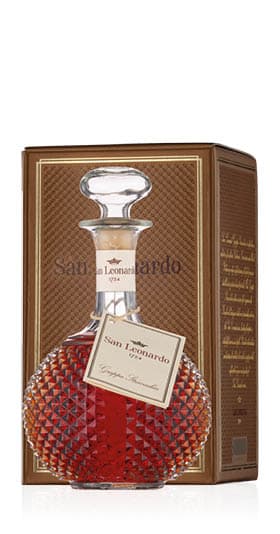
Grappa Stravecchia San Leonardo

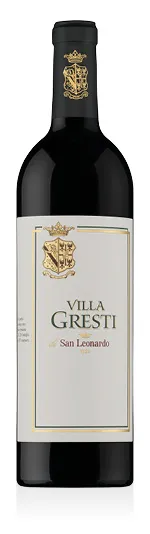
Vigneti delle Dolomiti IGT Rosso Villa Gresti 2021 San Leonardo
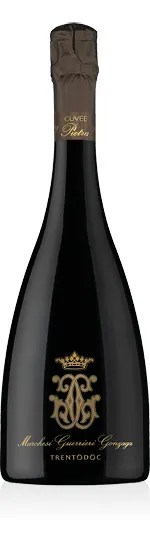
Trento DOC Riserva Extra Brut Blanc de Blancs Cuvée Pietra 2021 San Leonardo
You may also be interested in

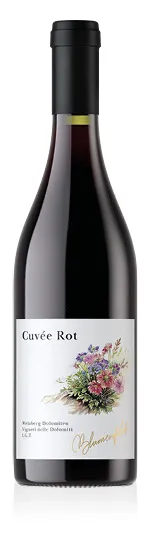
Vigneti delle Dolomiti IGT Cuvée Rot 2024 Blumenfeld


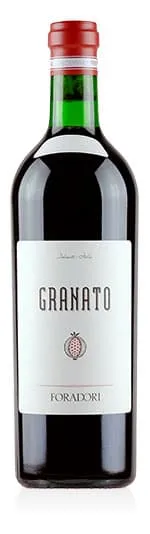
Vigneti delle Dolomiti IGT Teroldego Granato 2023 Foradori
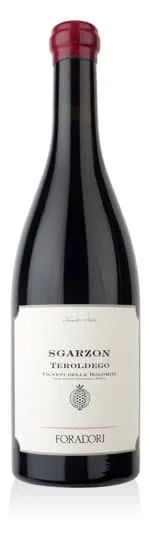
Vigneti delle Dolomiti IGT Teroldego Sgarzon 2024 Foradori
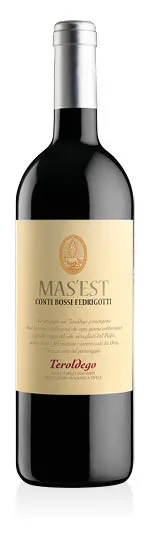
Vigneti delle Dolomiti Teroldego IGT Mas'Est 2023 Conti Bossi Fedrigotti
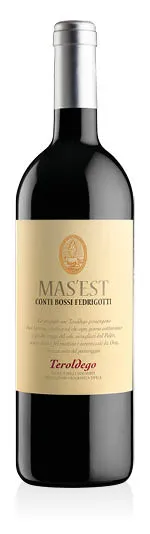
Vigneti delle Dolomiti Teroldego IGT Mas'Est 2024 Conti Bossi Fedrigotti