
 View all
 Sparkling Wines
 Red Wines
 White Wines
 Rosé Wines
 Alcohol-free
 Fortified Wines
 Bag in box
 Best italian wines
 Passito Wines
 Champagne
 Sparkling Wines
 Red Wines
 White Wines
 Rosé Wines
 Fortified Wines
 Passito Wines
 Mixology
 Olive Oil
 Vinegar
 Accessories
Sangiovese
Sangiovese is one of Italy’s most important red grape varieties, a symbol of Tuscany’s winemaking tradition. These grapes yield red wines with great personality, marked by freshness, balanced tannins, and red-fruit aromas. Sangiovese underpins prestigious appellations such as Chianti, Chianti Classico, and Brunello di Montalcino, admired worldwide for their quality, elegance, and aging potential.
What kind of wine is Sangiovese?
Sangiovese is generally a dry red wine, with good acidity and variable structure. It can be fresh and fruity, or complex and long-lived, like Brunello di Montalcino, made exclusively from Sangiovese grapes.
What’s the difference between Chianti and Sangiovese?
Sangiovese is a grape variety, whereas Chianti is an appellation wine, produced primarily with Sangiovese grapes according to specific regulations. Chianti Classico is one of the most renowned expressions of this variety.
In which region is Sangiovese produced?
Sangiovese is cultivated mainly in Tuscany and Emilia-Romagna. In Tuscany it gives rise to famous wines such as Chianti, Brunello di Montalcino, and Vino Nobile di Montepulciano; in Romagna it is the leading grape in Sangiovese di Romagna DOC wines.
What does Sangiovese taste like?
Sangiovese shows aromas of cherry, black cherry, plum, and violet, with spicy and earthy notes in more evolved wines. On the palate it offers freshness, firm yet balanced tannins, and a persistent finish—ideal with red meats, pasta with ragù, and aged cheeses.


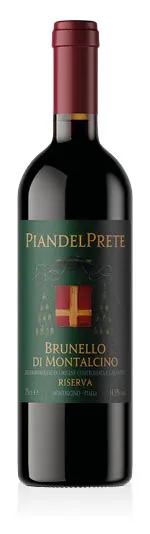
Brunello di Montalcino Riserva DOCG 2020 Pian del Prete

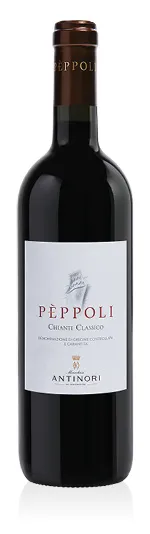
Chianti Classico DOCG Pèppoli 2025 Marchesi Antinori
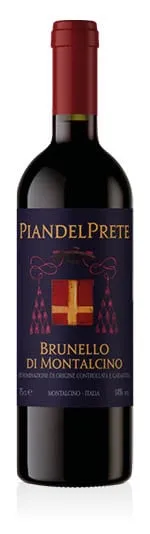
Brunello di Montalcino DOCG 2020 Pian del Prete
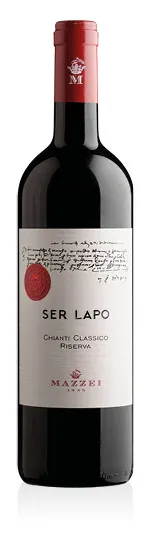
Chianti Classico DOCG Riserva Ser Lapo 2023 Marchesi Mazzei

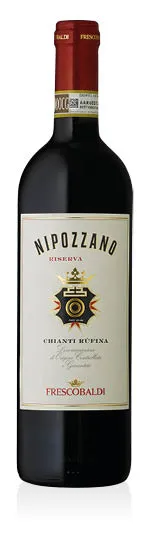
Chianti Rufina Riserva DOCG Nipozzano 2023 Frescobaldi
Chianti Rufina Riserva DOCG Nipozzano 2023 Frescobaldi, 6 x 0,75 ℓ bottles


Brunello di Montalcino DOCG Campogiovanni 2021 San Felice
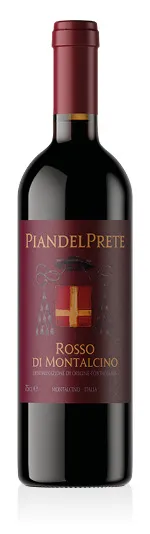
Rosso di Montalcino DOC 2022 Pian del Prete
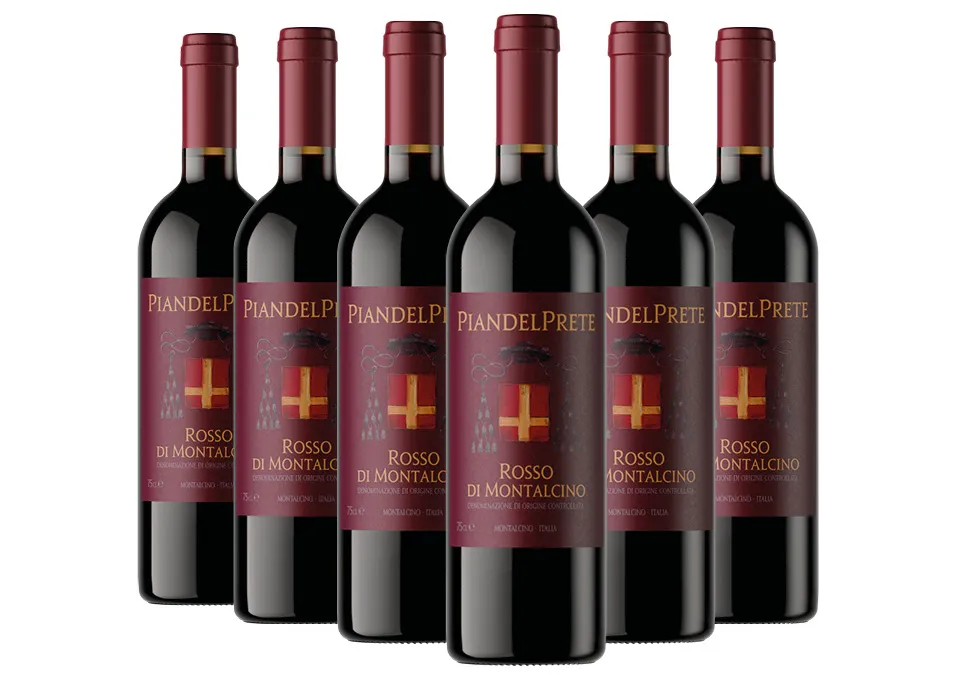
Rosso di Montalcino DOC 2022 Pian del Prete, 6 x 0,75 ℓ bottles

Chianti DOCG Riserva del Conte 2020 Villa da Filicaja
Chianti DOCG Riserva del Conte 2020 Villa da Filicaja, 6 x 0,75 ℓ bottles

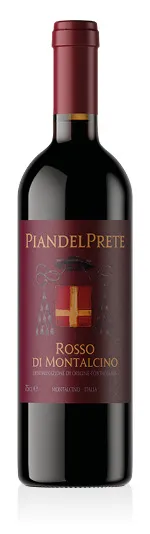
Rosso di Montalcino DOC 2024 Pian del Prete
Rosso di Montalcino DOC 2024 Pian del Prete, 6 x 0,75 ℓ bottles

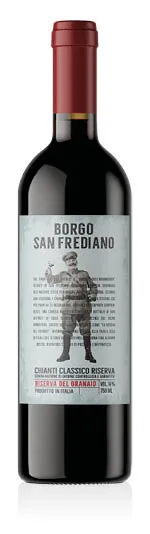
Chianti Classico DOCG Riserva del Granaio 2020 Borgo San Frediano

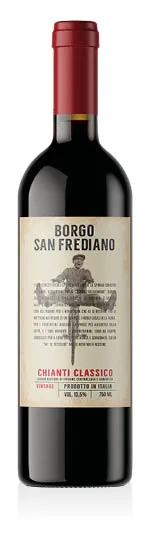
Chianti Classico DOCG Vintage 2024 Borgo San Frediano
Chianti Classico DOCG Vintage 2024 Borgo San Frediano, 6 x 0,75 ℓ bottles

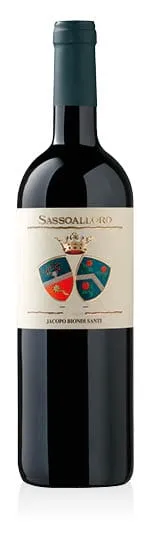
Toscana IGT Sassoalloro 2024 Jacopo Biondi Santi
Toscana IGT Sassoalloro 2024 Jacopo Biondi Santi, 6 x 0,75 ℓ bottles
