
 View all
 Champagne
 Sparkling Wines
 Red Wines
 White Wines
 Rosé Wines
 Alcohol-free
 Bag in box
 Fortified Wines
 Passito Wines
 Cocktails
 Gin
 Liqueur
 Rum
 Whisky
 Grappa
 Alcohol-free
 Brandy
 Eau de vie
 Tequila
 Vodka
 Mixology
 Beers
 Olive Oil
 Vinegar
 Accessories


Product details
Nutrition Declaration
Description
What kind of wine it is
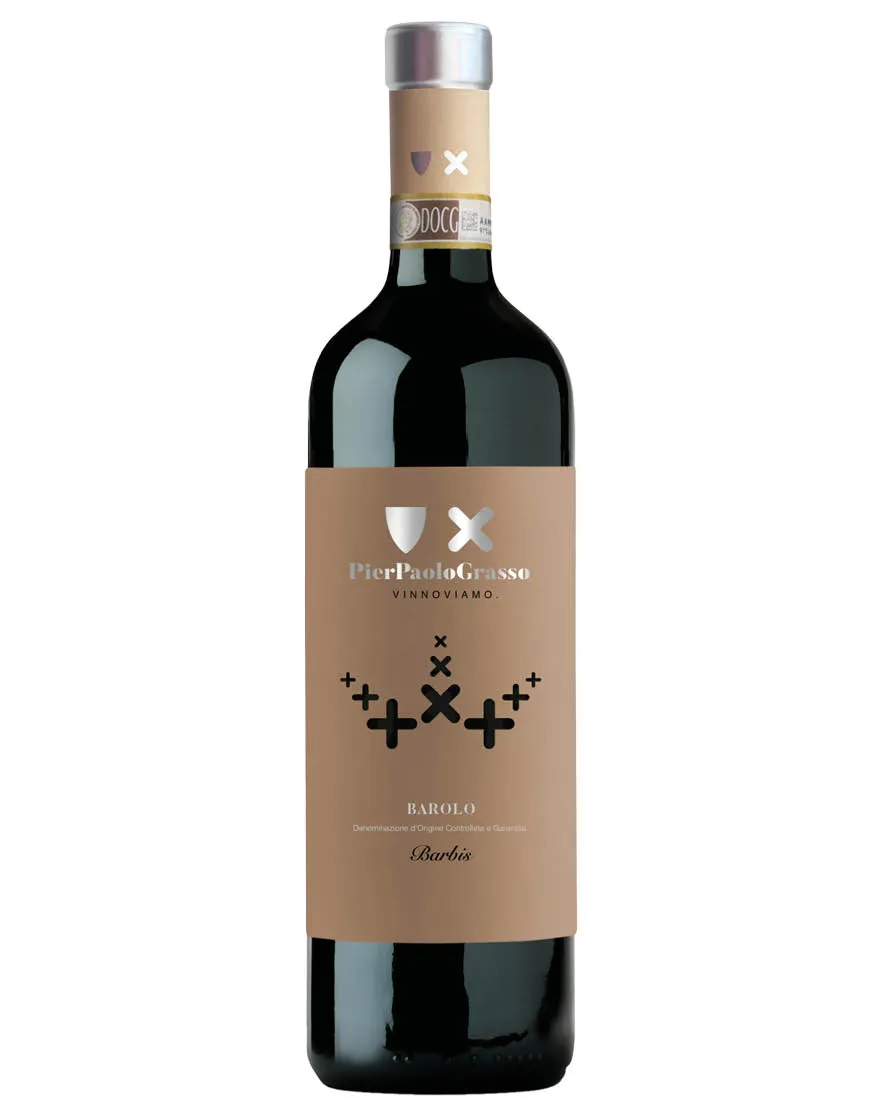
Barbis by Pier Paolo Grasso is a Barolo, a Piedmontese red wine made from Nebbiolo grapes. It shows a brilliant garnet color with good density. It is a robust, austere wine that, despite its structure, offers a fresh, graceful sip, conceived for the most demanding palates.
Where it comes from
Work in the vineyard and in the cellar is based on respect for the land, which, for the estate, is borrowed from future generations and must be returned in good condition. This idea is summed up by the word "Vinnoviamo" that appears on the labels, a play on words that ties environmental care to a thoughtful way of making wine. In Neive the estate has built a winery that reflects this philosophy, with carefully chosen materials, a sustainable environmental impact and spaces dedicated to guests, where you can take a break and savor the wine at leisure.
How it is made
Barbis is made exclusively from Nebbiolo grapes. Aging takes place in large oak casks, which accompany the wine with respect for the fruit, refine its structure and enrich its spicy profile without overwhelming the grape’s varietal character.
Tasting notes
On sight it is brilliant garnet, with good density. On the nose it opens with notes of red fruits, amarena cherry and plum, accompanied by graphite and balsamic nuances of mint and eucalyptus, juniper berries and a hint of cocoa. On the palate it is very fresh and graceful, with fine tannins and excellent flavor.
Food pairings
It pairs perfectly with braised beef, ossobuco and stews, where its structure meets the succulence of slow-cooked meats. It also goes well with any full-flavored cheese, from aged varieties to those with pronounced character.
When to serve it
This is a Barolo for important dinners, festive lunches and occasions when you want a red with character on the table. We recommend opening the bottle at least one hour before serving and decanting it, to let the fruit aromas and balsamic notes emerge. A large glass enhances its complexity and the finesse of the tannins.
You may also be interested in


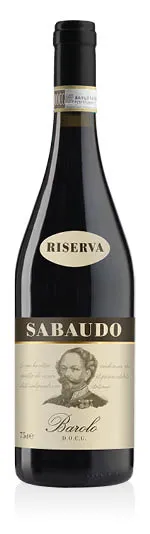
Barolo DOCG Riserva 2020 Sabaudo

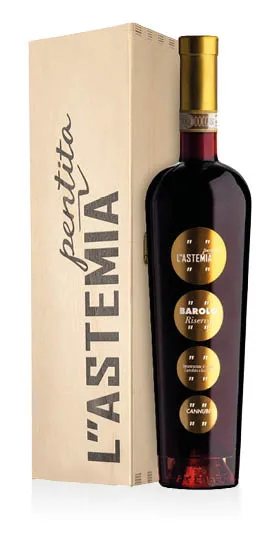
Barolo DOCG Cannubi Riserva 2014 L'Astemia Pentita
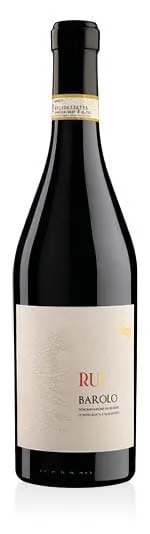
Barolo DOCG Ruj 2022 San Silvestro


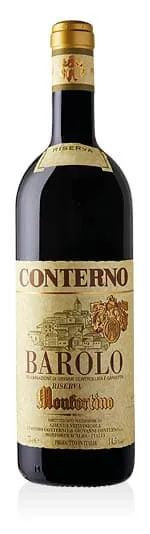
Barolo Riserva DOCG Monfortino 2020 Giacomo Conterno

Barolo DOCG 2019 L'Astemia Pentita
