 View all
 Champagne
 Sparkling Wines
 Red Wines
 White Wines
 Rosé Wines
 Alcohol-free
 Bag in box
 Fortified Wines
 Passito Wines
 Cocktails
 Gin
Gin
 Liqueur
 Whisky
 Grappa
 Rum
Rum
 Alcohol-free
 Brandy
 Eau de vie
 Tequila
 Vodka
Vodka
 Mixology
 Beers
Beers
 Olive Oil
 Vinegar
 Accessories


Product details
Description
What kind of wine is it
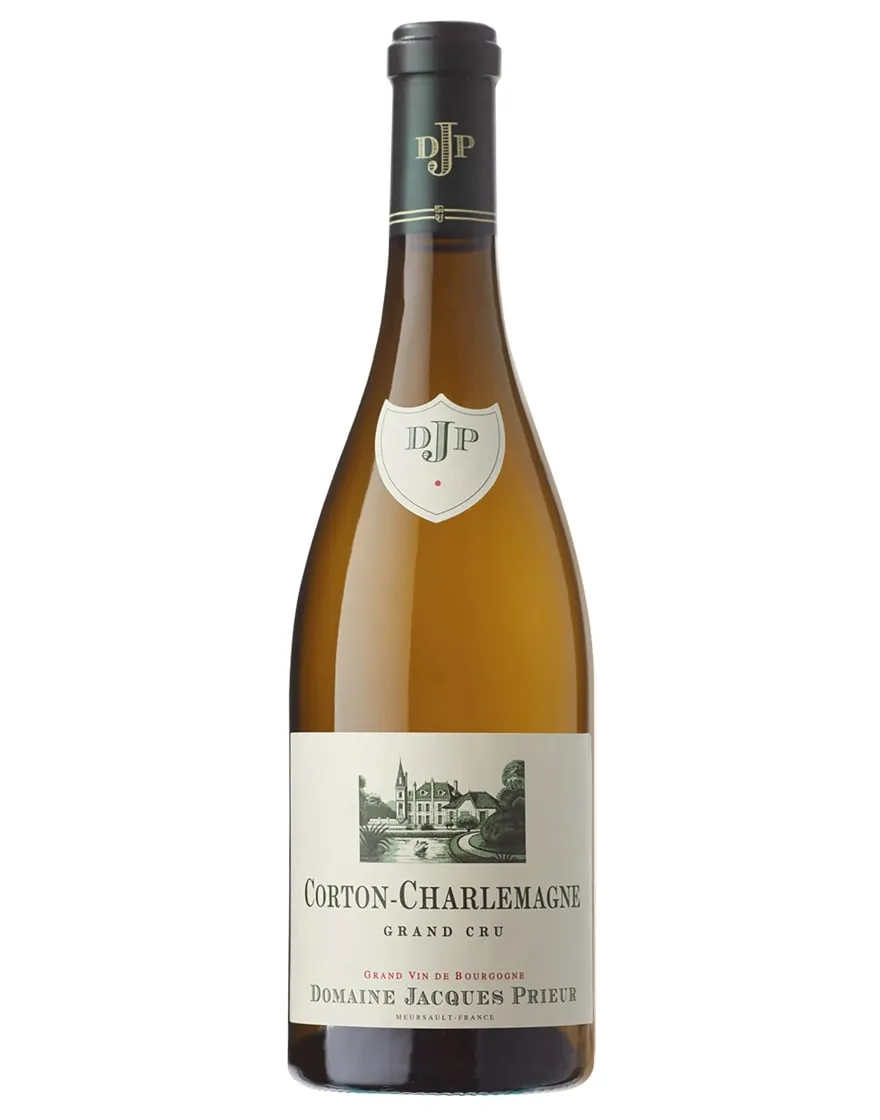
Corton-Charlemagne Grand Cru by Jacques Prieur is a dry white made from Chardonnay sourced from the Grands Crus hillside of Corton, in Burgundy. It expresses mineral tension and aromatic precision, featuring a full yet balanced style. Alcoholic fermentation and maturation take place in oak barriques; malolactic fermentation is fully completed, imparting a broad structure and an elegant profile, with a natural propensity to evolve over time.
Where does it come from
The grapes come from a 0.22-hectare parcel on the Grands Crus slope of Corton. The east-facing exposure ensures regular ripening and freshness, while the limestone soils lend a saline sensation and linear texture. The hillside context and the cru’s vocation generate a vibrant Chardonnay, with a balance between volume and tension, typical of this region’s great whites.
How is it made
The manual harvest preserves the integrity of the grapes, which are collected in small crates to prevent crushing. After pneumatic pressing, the must clarifies by cold settling for 36 hours. Alcoholic fermentation and maturation take place exclusively in oak barriques, with full completion of malolactic fermentation. About 20 months of aging progressively integrate fruit, wood, and the mineral component.
Tasting notes
In the glass, it displays a green-gold color with silvery highlights. The aromatic profile is measured, with notes of anise and pepper, enriched by sweet spices and well-integrated wood. The palate reveals energy with a saline structure and a progression recalling vanilla and spices. The finish is long, clean, and consistent with the cru’s minerality.
Food pairings
Pairs well with rich fish dishes, such as lobster Thermidor or baked salmon with aromatic herbs. It harmonizes with seared scallops and classic French preparations such as pike quenelle in sauce. It is also suitable for mature goat or sheep cheeses, as its acidity and tension balance fattiness and highlight aromatic notes.
When to serve it
Serve chilled, around 12–13 °C, in a large glass to promote oxygenation and aromatic expression. A brief decanting may be helpful in its younger stages. Ideal for important dinners and main seafood courses. The structure and aging in wood give it significant evolutionary potential, with prospects for keeping over a decade under proper conditions.
15 products of Domaine Jacques Prieur View all
15 products of Domaine Jacques Prieur


Echézeaux AOC Grand Cru 2020 Domaine Jacques Prieur
Gevrey-Chambertin AOC Premier Cru 2022 Domaine Jacques Prieur
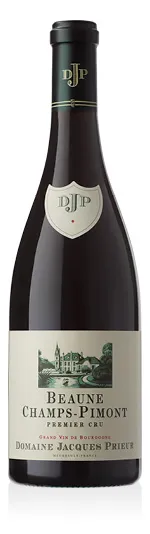
Beaune AOC Premier Cru Champs-Pimont 2020 Domaine Jacques Prieur
You may also be interested in


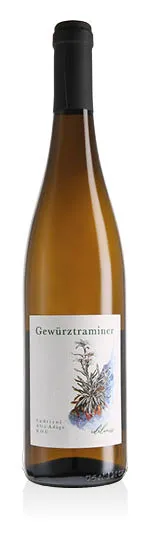
Südtirol - Alto Adige DOC Gewürztraminer 2025 Blumenfeld
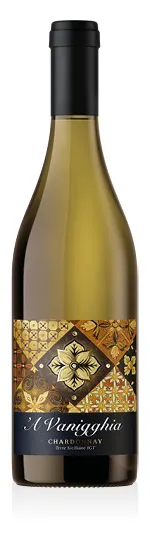
Terre Siciliane IGT Chardonnay 'A Vanigghia 2025 Li Ciuri
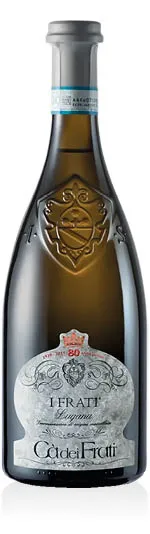
Lugana DOC I Frati 2025 Ca' dei Frati
Greco di Tufo DOCG Riserva Cutizzi 2024 Feudi di San Gregorio

Sicilia Menfi DOC Chardonnay 2024 Planeta