 View all
 Champagne
 Sparkling Wines
 Red Wines
 White Wines
 Rosé Wines
 Alcohol-free
 Bag in box
 Fortified Wines
 Passito Wines
 Cocktails
 Gin
 Grappa
 Liqueur
 Rum
 Whisky
 Alcohol-free
 Brandy
 Eau de vie
 Tequila
 Vodka
 Mixology
 Beers
 Olive Oil
 Vinegar
 Accessories


Product details
Description
What kind of wine it is
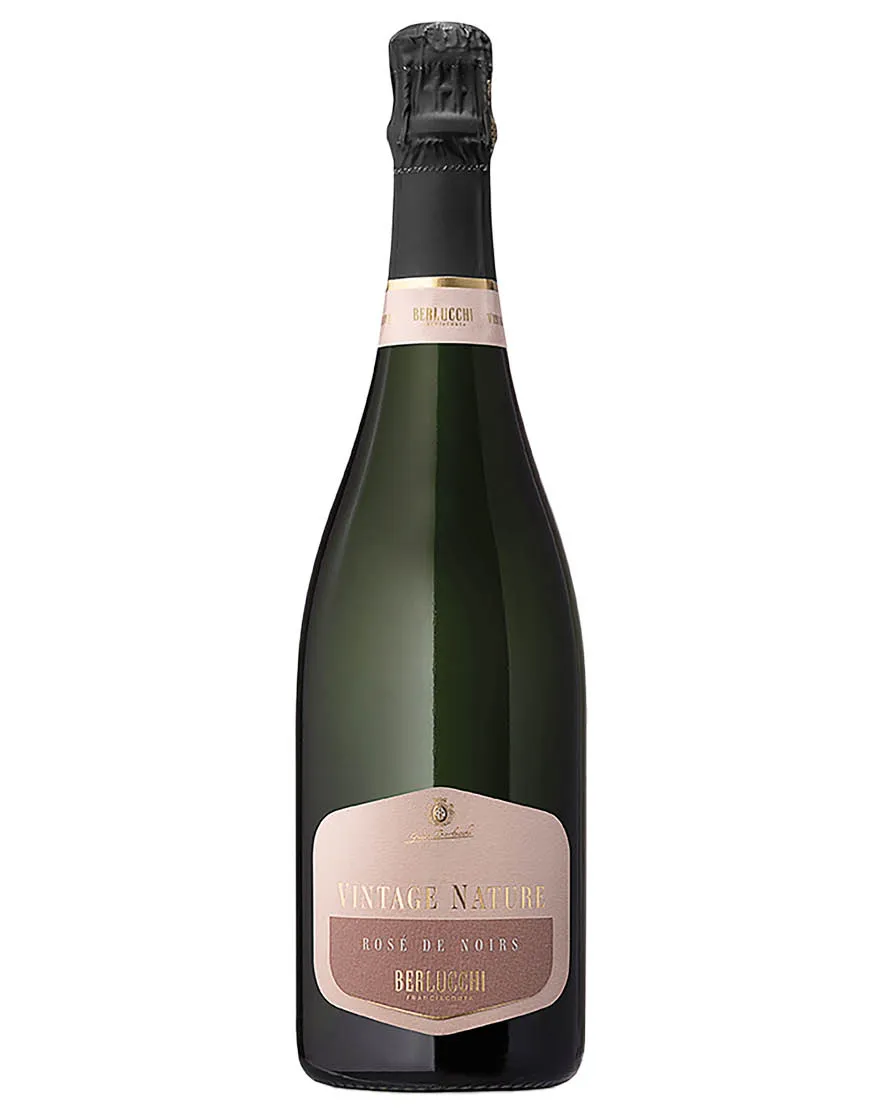
Berlucchi's Vintage Nature Rosé de Noirs is a Franciacorta Rosé Vintage Zero Dosage, a Traditional Method wine made exclusively from Pinot Noir. It embodies "all the shades of Pinot Noir", because it is born from blending three interpretations of the same variety: vinified as white, rosé and red. It is released without dosage syrup, yielding a rosé of great elegance, full body and persistence.
Where it comes from
The grapes come from two estate vineyards in Corte Franca, in Franciacorta, planted solely to Pinot Noir: Quindicipiò and Gaspa. Quindicipiò, on breezy, moraine soils on mid-hills, yields healthy, well-balanced grapes suited to white vinification. Gaspa, on thin, gravelly moraine soils, delivers very ripe, concentrated grapes suitable for maceration.
How it's made
Only the very first press fractions are used, the free-run must. Part of the Pinot Noir is vinified as white with gentle pressing, part as rosé with a cold soak of about 24 hours, and a small share as red with maceration of about seven days. After fermentation in steel and six months on the lees, the three wines are blended into a cuvée of wines from the same vintage only. This is followed by the second fermentation in bottle, with lees ageing of over five years and a further six months' rest after disgorgement.
Tasting notes
In the glass it shows a generous, creamy mousse and a fine, sinuous perlage, with an intense magnolia pink hue and coral highlights. The bouquet is very complex and fragrant, with notes of small red berries, pomegranate and tangy touches of redcurrant, enriched by spicy hints of pink peppercorn and black tea. On the palate it combines elegance and vibrant acidity with plenty of body, supported by the airy tannic texture of macerated Pinot Noir.
Food pairings
A Vintage wine suitable for the whole meal. It elevates aperitifs based on boldly flavored cured meats, hearty first courses from the land, meats and cheeses, including aged styles.
When to serve it
A Franciacorta for special moments: an elegant dinner, a refined aperitif or a noteworthy toast. It is best served in a large-bowled glass, which lets the complexity of its aromas emerge. The long ageing also gives it good potential for development in bottle.
16 products of Berlucchi View all
16 products of Berlucchi


Franciacorta Extra Brut DOCG '61 Berlucchi
Franciacorta Brut Satèn DOCG '61 Berlucchi
Franciacorta Brut Rosé DOCG '61 Berlucchi
You may also be interested in


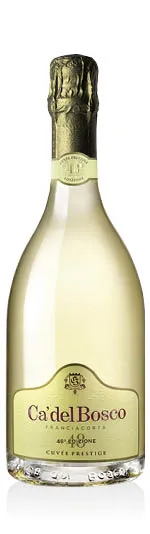
Franciacorta DOCG Extra Brut Cuvée Prestige Edizione 48 Ca' del Bosco
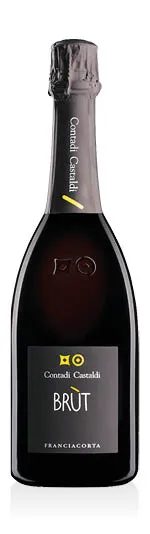
Franciacorta DOCG Brut Contadi Castaldi
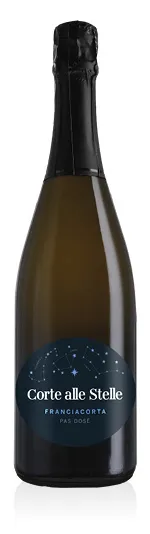
Franciacorta DOCG Pas Dosé Corte alle Stelle
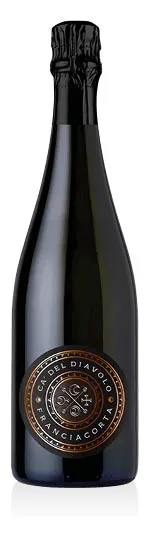
Franciacorta DOCG Brut Ca' del Diavolo
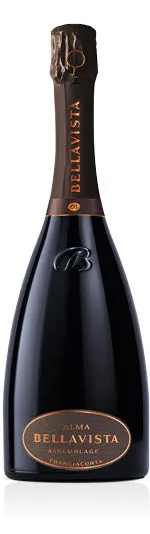
Franciacorta DOCG Extra Brut Alma Assemblage 3 Bellavista