 View all
 Champagne
 Sparkling Wines
 Red Wines
 White Wines
 Rosé Wines
 Alcohol-free
 Bag in box
 Fortified Wines
 Passito Wines
 Cocktails
 Gin
Gin
 Liqueur
 Whisky
 Grappa
 Rum
Rum
 Alcohol-free
 Brandy
 Eau de vie
 Tequila
 Vodka
Vodka
 Mixology
 Beers
Beers
 Olive Oil
 Vinegar
 Accessories


Product details
 You can also order it by phone by speaking with us.
Description
What kind of wine is it
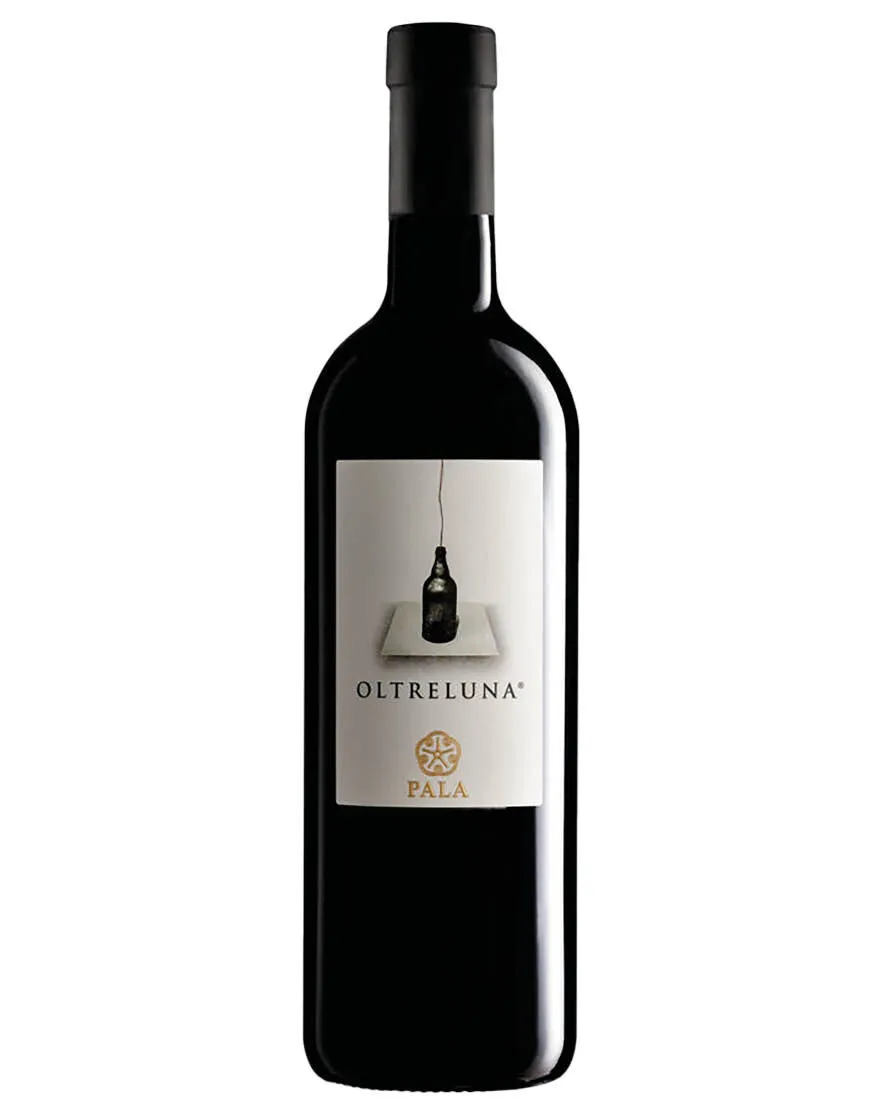
Monica di Sardegna Oltreluna Pala is a red wine made exclusively from Monica grapes grown in Southern Sardinia. The winemaking process involves temperature-controlled fermentation and maceration on the skins, followed by malolactic fermentation and a short period in wooden casks. The result is a full-bodied and enveloping style, with soft tannins and a persistent finish, faithfully reflecting the grape variety and the denomination’s profile.
Where does it come from
The grapes are sourced from the area of Su Staini Saliu, located in the municipality of Serdiana in Southern Sardinia. This origin connects Oltreluna to a specific production zone of Monica di Sardegna, maintaining a well-defined territorial identity without adding unspecified details.
How is it produced
Harvesting is manual and takes place in the early morning hours. At the winery, the must ferments at a controlled temperature with skin maceration for 10 days; this is followed by malolactic fermentation, which completes the evolution of the wine. Maturation continues for 3 months in cask, helping to integrate the taste structure and spicy nuances.
Tasting notes
In the glass it displays a deep ruby red color. The aromatic profile is intense and vinous, with notes of plum jam and morello cherries, complemented by hints of leather, black pepper, and toasted coffee. On the palate, it is full-bodied and enveloping, with elegant, soft tannins and a long-lasting finish, in line with its fruity and spicy sensations.
Food pairings
It pairs easily with appetizers, soups, and semi-aged cheeses. Its structure and soft tannins go well with flavorful dishes, while the fruity character and spicy notes remain clearly recognizable during tasting, maintaining balance and continuity at the table.
When to serve it
It is perfect for lunches and dinners where a full-bodied and enveloping red is desired to accompany the entire meal. The soft tannins and persistence make it suitable for warm dishes and semi-aged cheeses. The winemaking choices, from malolactic fermentation to the brief maturation in cask, support an intense and immediate profile.
6 products of Pala View all
6 products of Pala


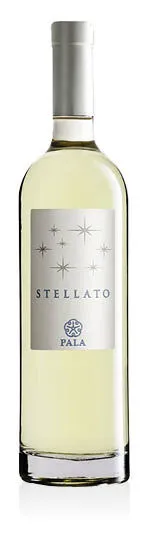
Isola dei Nuraghi IGT Vermentino Stellato 2024 Pala

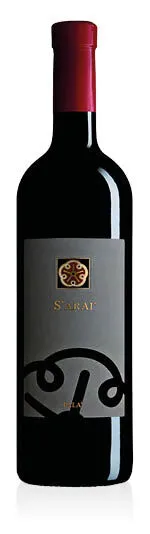
Isola dei Nuraghi IGT S'Arai Pala
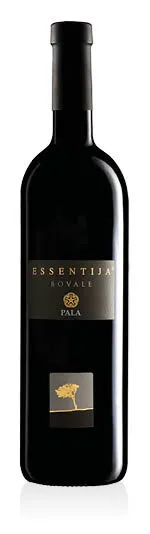
Isola dei Nuraghi IGT Bovale Essentija Pala
You may also be interested in

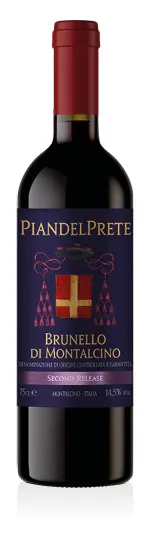
Brunello di Montalcino DOCG Second Release 2020 Pian del Prete
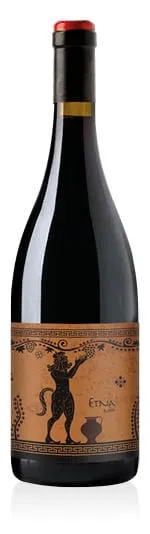
Etna Rosso DOC 2024 Inessa

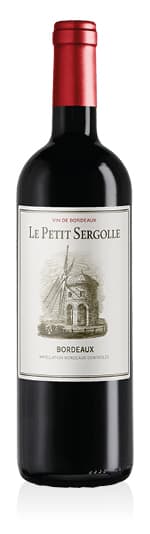
Bordeaux AOC Le Petit Sergolle 2023 Baron de Sergolle
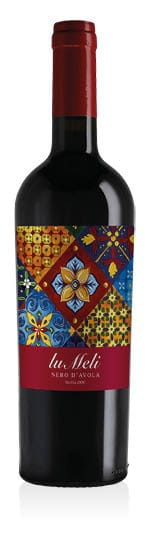
Sicilia DOC Nero d'Avola con Leggero Appassimento Lu Meli 2025 Li Ciuri
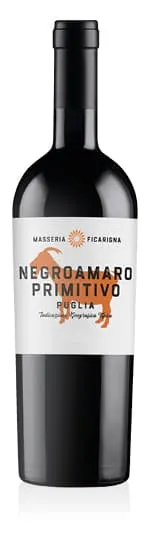
Puglia IGT Negroamaro-Primitivo 2024 Masseria Ficarigna