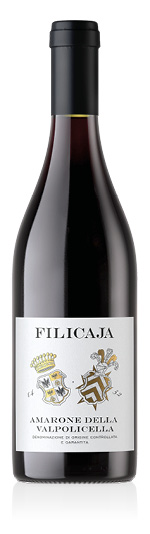
 View all
 Champagne
 Sparkling Wines
 Red Wines
 White Wines
 Rosé Wines
 Alcohol-free
 Bag in box
 Fortified Wines
 Passito Wines
 Cocktails
 Gin
Gin
 Liqueur
 Whisky
 Rum
Rum
 Grappa
 Alcohol-free
 Brandy
 Eau de vie
 Tequila
 Vodka
Vodka
 Mixology
 Beers
Beers
 Olive Oil
 Vinegar
 Accessories


Product details


Description
What kind of wine is it?
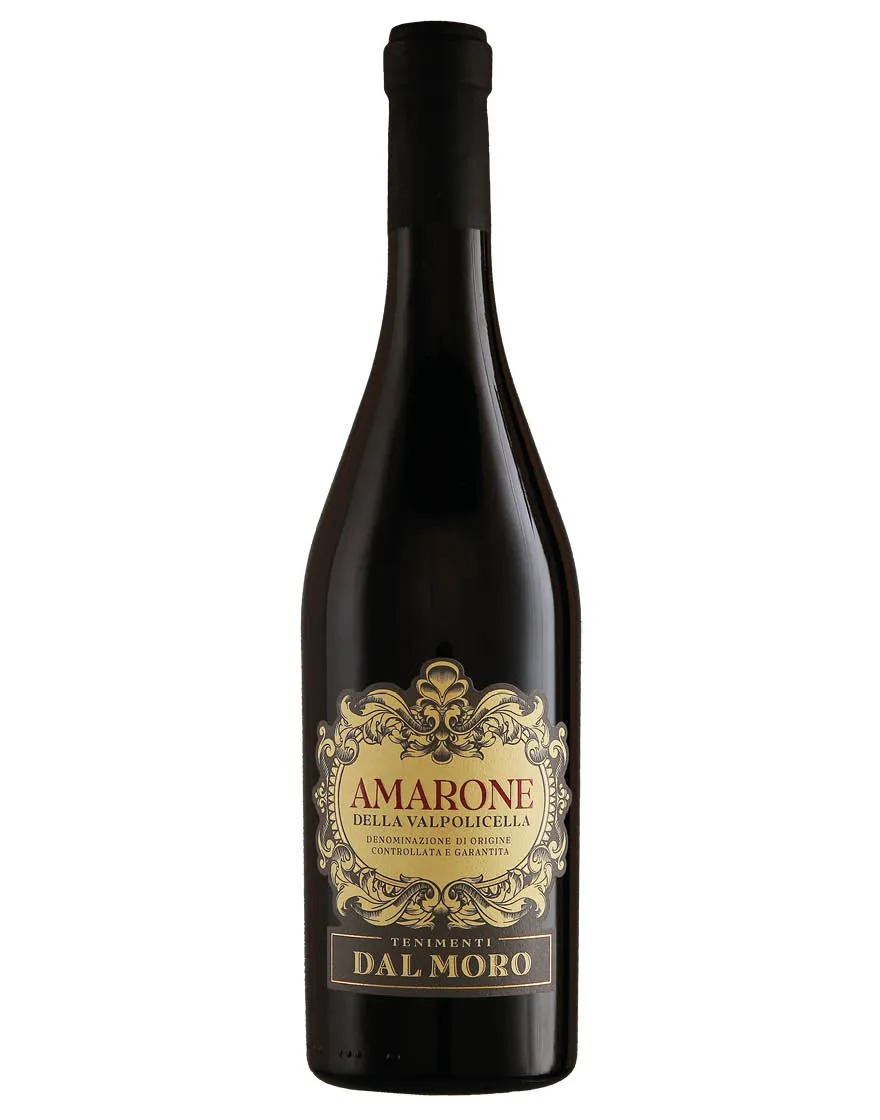
Amarone della Valpolicella by Dal Moro is crafted from a blend of Corvina Veronese, Corvinone, and Rondinella. It is distinguished by its full body and complex aromatic texture, supported by prolonged ageing in barrels. Its profile displays intense notes of ripe red fruit, sweet spices, and light toasted hints, delivering an elegant and persistent tasting experience.
Where does it come from?
Amarone della Valpolicella by Dal Moro hails from the Valpolicella area in the province of Verona. The vineyards are situated between 150 and 450 meters above sea level. The temperate climate and diverse soils impart a solid structure and aromatic complexity that remains rooted in the territory.
How is it made?
Production begins with manual harvesting at the beginning of October. The selected bunches are placed in drying rooms for about 120 days, allowing sugars and aromas to concentrate. After gentle pressing, fermentation takes place in temperature-controlled stainless steel tanks. This is followed by at least 24 months of maturation in wooden barrels. Additional bottle ageing completes the process.
Tasting notes
It appears a deep ruby red colour with garnet reflections. The bouquet is broad, with notes of ripe red fruit, dried plum, and wild berries, alongside spicy and toasted nuances. On the palate, the structure is solid, with smooth tannins and a balance between freshness and warmth. The finish is lingering, with hints of spices and slightly toasted notes.
Food pairings
Amarone della Valpolicella by Dal Moro complements red meats, roasts, and braised dishes, enhancing its aromatic depth. It pairs well with aged cheeses. Among regional dishes, it shines alongside local specialities, highlighting the wine’s structure.
Best time to serve
This Amarone della Valpolicella by Dal Moro can be enjoyed young after suitable bottle ageing, or it can develop further over time. It is recommended to serve at the correct temperature in large glasses to encourage aeration and reveal its aromatic complexity. Its ideal drinking window spans several years, as spicy notes and a more integrated tannic texture emerge.
10 products of Dal Moro View all
10 products of Dal Moro


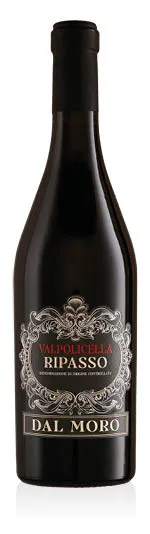
Valpolicella Ripasso DOC 2023 Dal Moro
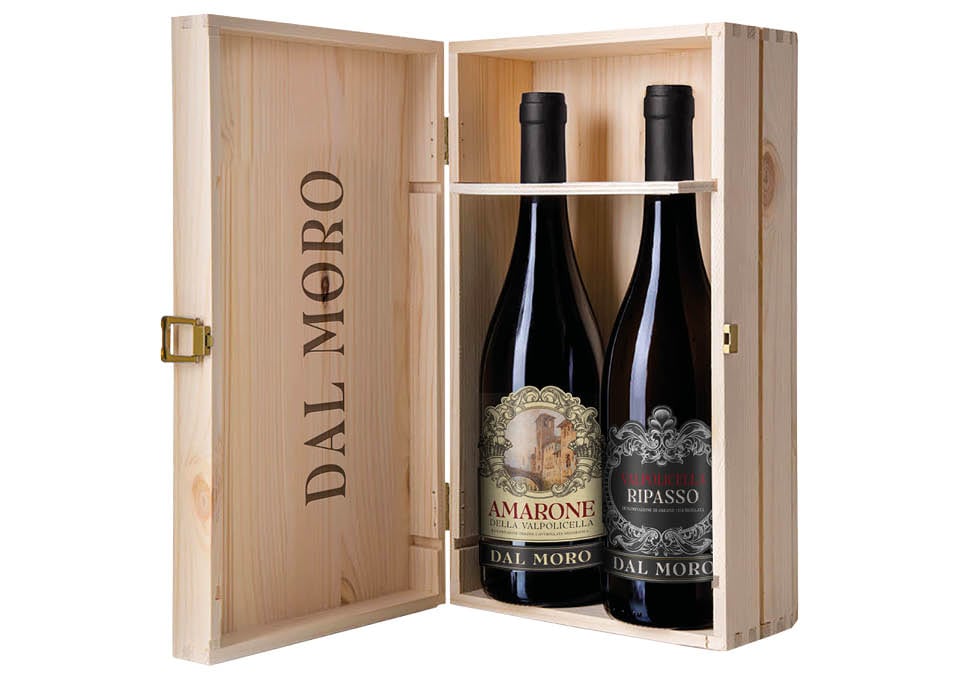
Dal Moro Box with Amarone and Valpolicella Ripasso, 2 x 0,75 ℓ bottles, Wooden box
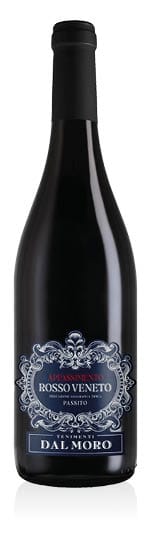
Veneto IGT Rosso Appassimento 2022 Dal Moro
You may also be interested in

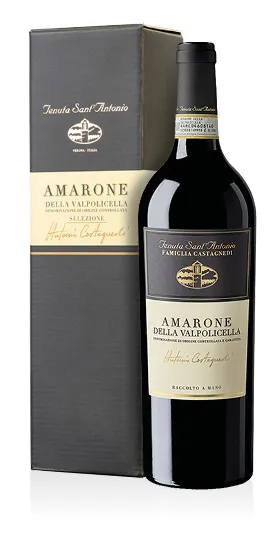
Amarone della Valpolicella DOCG Selezione Antonio Castagnedi 2021 Tenuta Sant'Antonio
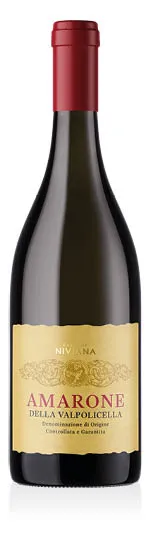
Amarone della Valpolicella DOCG 2020 Niviana

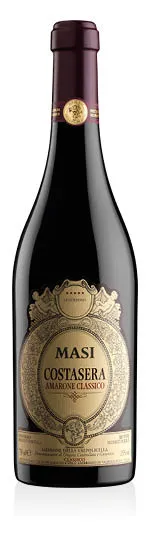
Amarone della Valpolicella Classico DOCG Costasera 2021 Masi
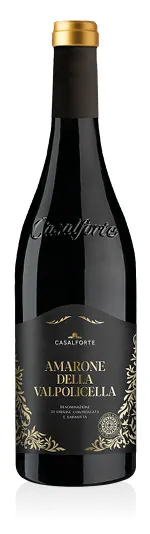
Amarone della Valpolicella DOCG 2020 Casalforte
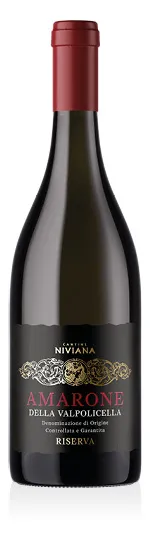
Amarone della Valpolicella DOCG Riserva 2020 Niviana