 View all
 Champagne
 Sparkling Wines
 Red Wines
 White Wines
 Rosé Wines
 Alcohol-free
 Bag in box
 Fortified Wines
 Passito Wines
 Cocktails
 Gin
 Grappa
 Liqueur
 Whisky
 Rum
 Alcohol-free
 Brandy
 Eau de vie
 Tequila
 Vodka
 Mixology
 Beers
 Olive Oil
 Vinegar
 Accessories


Product details

Description
What kind of wine it is
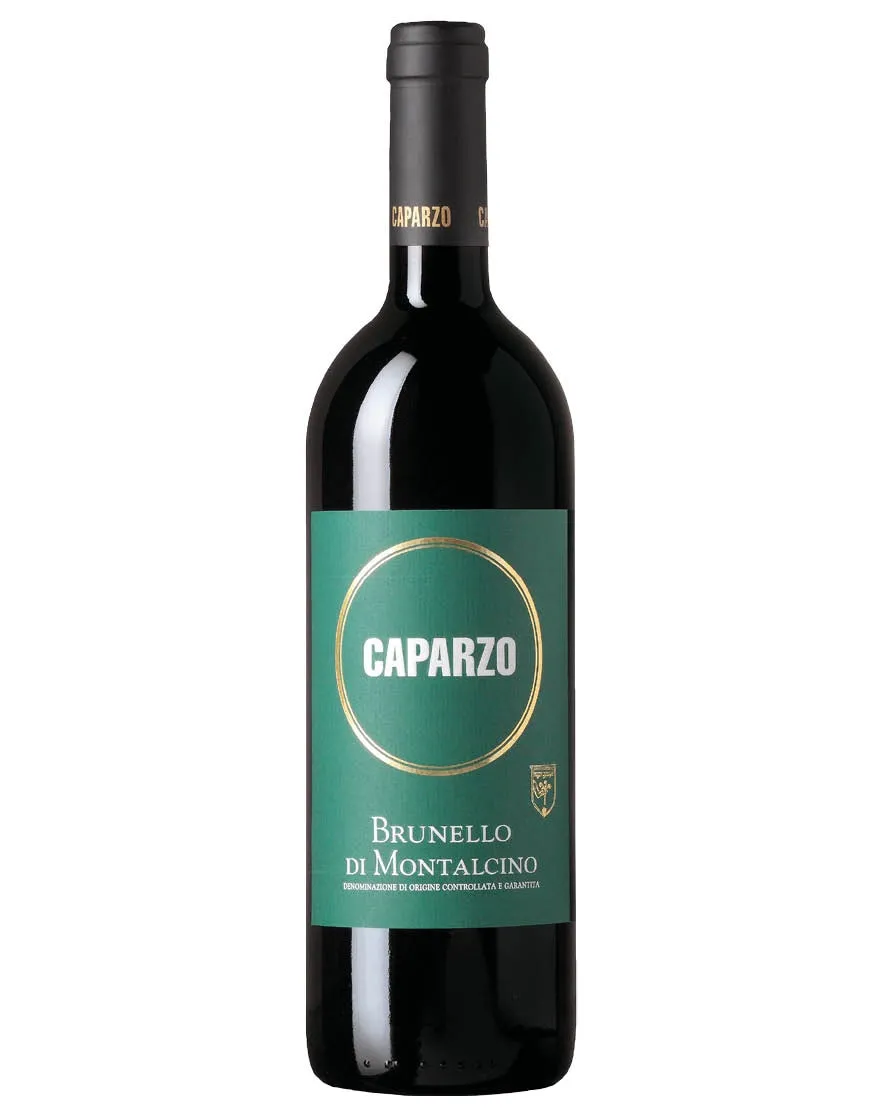
The Brunello di Montalcino by Caparzo is a Tuscan red wine made from selected Sangiovese grapes sourced from vineyards in different areas of the Montalcino district. The first vintage dates back to 1970, when only thirteen wineries were operating in Montalcino: a fact that places Caparzo among the historic producers of this style. It is a structured, complex red, crafted to evolve over a long time.
Where it comes from
Caparzo is one of the few estates in Montalcino to own vineyards in several parts of the area, a choice that makes it possible to showcase different microclimates and soils. The grapes come from the Caparzo locality, in the north, on Pliocene sandy-clayey soils; from La Caduta, to the southwest, on loose schist- and sandstone-based soils rich in stones; from Cassero, in the south, and from San Piero - Caselle, on the eastern slope. Vineyard elevations between 220 and 300 meters complete a mosaic of terroir that is reflected in the wine’s complexity.
How it’s made
The Sangiovese grapes are harvested by hand and carefully selected. During the first days of fermentation, particular attention is paid to the grape seeds, which are removed if not sufficiently ripe. The alcoholic fermentation at controlled temperature is followed by délestage and pump-overs, and by a prolonged maceration on the skins for a further ten to fifteen days. After racking off, the wine undergoes malolactic fermentation spontaneously, then ages for at least two years in wood and for at least four months in bottle.
Tasting notes
The color is ruby red, shading to garnet with age. The nose is broad and layered, with an intense bouquet and hints of wild berries. On the palate it is dry, warm and well supported, with a balance that brings together finesse and an austere character. The sip is harmonious and closes on a persistent finish.
What to pair it with
The structure of this red makes it a match for the most flavorful meat dishes: roasts, grilled and spit-roasted meats, or long-cooked braises. It pairs well with game, such as stewed wild boar or hare, and finds a natural match with aged cheeses, for example pecorino toscano.
When to serve it
It’s the wine for Sunday lunches and special dinners, when hearty meat dishes hit the table. To let its bouquet express itself at its best, it’s advisable to uncork it one or two hours before serving and pour it into a large-bowled glass. Thanks to an ageing potential that exceeds thirty years, it is also well suited to cellaring to follow its evolution over time.
1 product of Caparzo View all
1 product of Caparzo

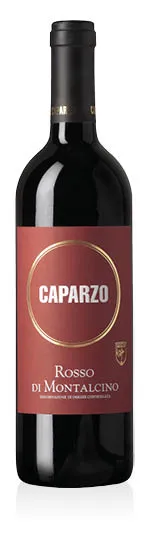
Rosso di Montalcino DOC 2023 Caparzo
You may also be interested in


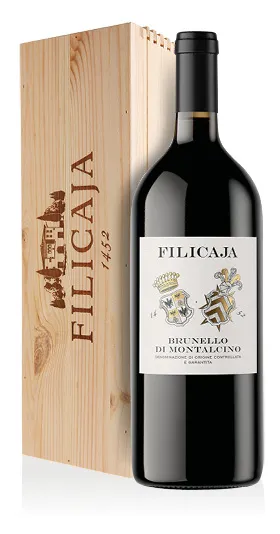
Brunello di Montalcino DOCG 2021 Villa da Filicaja
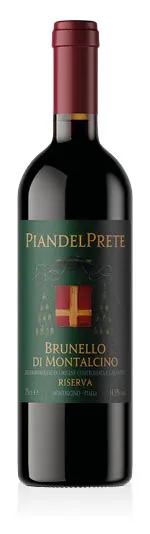
Brunello di Montalcino DOCG Riserva 2020 Pian del Prete
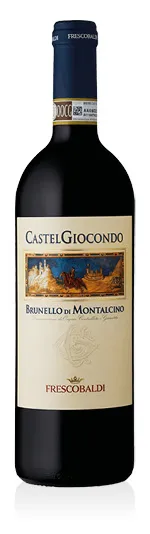
Brunello di Montalcino DOCG Castelgiocondo 2021 Frescobaldi
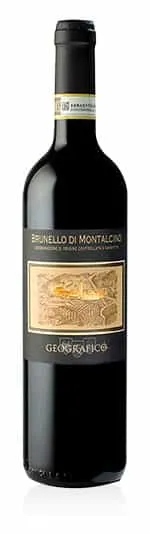
Brunello di Montalcino DOCG 2021 Geografico
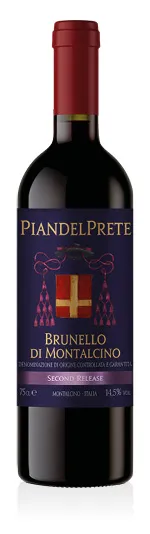
Brunello di Montalcino DOCG Second Release 2020 Pian del Prete