 View all
 Champagne
 Sparkling Wines
 Red Wines
 White Wines
 Rosé Wines
 Alcohol-free
 Bag in box
 Fortified Wines
 Passito Wines
 Cocktails
 Gin
Gin
 Liqueur
 Whisky
 Rum
Rum
 Grappa
 Alcohol-free
 Brandy
 Eau de vie
 Tequila
 Vodka
Vodka
 Blonde
 Red
Red
 Dark
Dark
 Amber
Amber
 Mixology
 Beers
Beers
 Olive Oil
 Vinegar
 Accessories


Product details
Description
What kind of wine is it
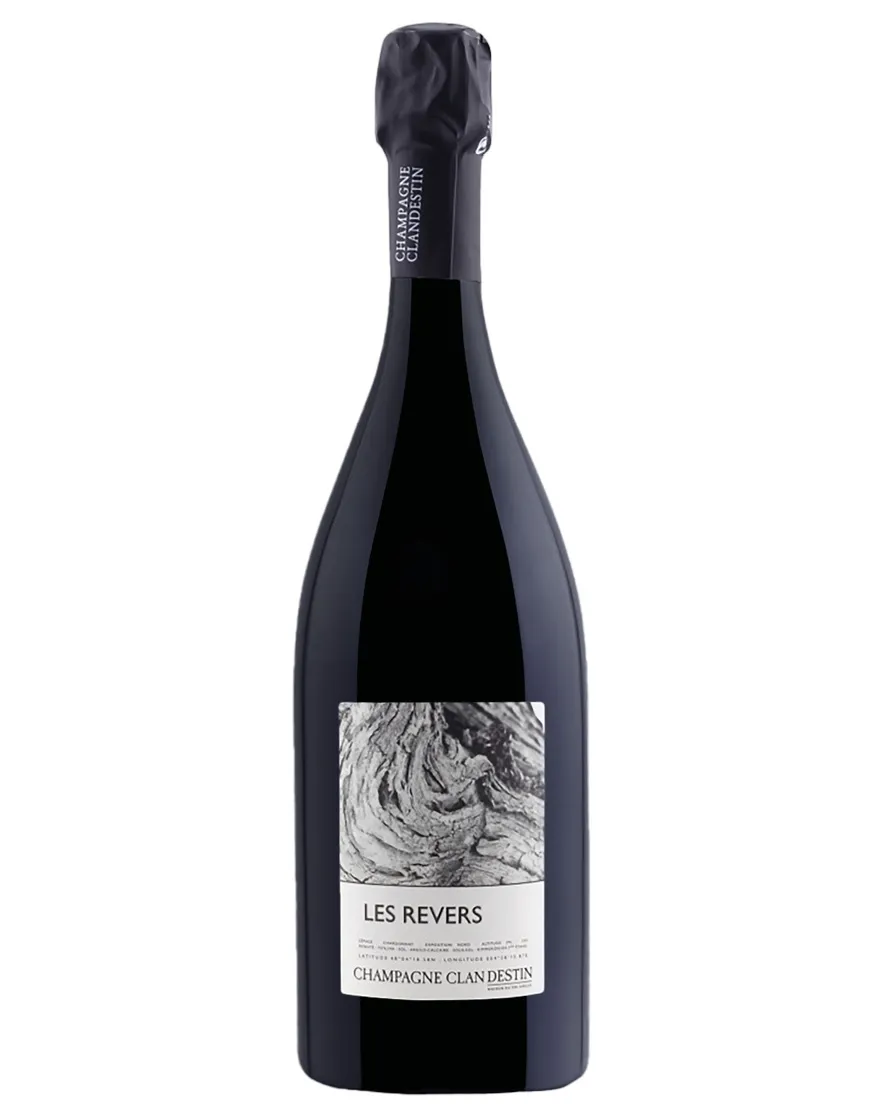
Champagne Les Revers by Clandestin is a Brut Nature Blanc de Blancs Champagne made from Chardonnay grapes from the Côte des Bar. It comes from a single vineyard and is offered without final dosage, delivering a crisp, fresh, and precise profile. The prise de mousse is part of the traditional Champagne production process, while natural fermentation takes place in oak barrels and the wine is aged for a long time on the lees, emphasizing purity and a sense of place.
Where it comes from
The grapes come from the Côte des Bar, in Champagne, on Kimmeridgian soils. The vineyard plot is on north-facing slopes, a setting that drives the wine’s expression toward tension and freshness. The distinctiveness of the soil adds a recognizable mineral texture and a sense of precision. This project stems from Clandestin's focus on single-vineyard identity and a clear interpretation of the territory without any final sweetening.
How it is made
Production begins with harvesting Chardonnay from the single vineyard and gentle pneumatic pressing to obtain clean musts. Fermentation is natural and takes place in oak barrels, a choice that supports structure while maintaining an essential character. This is followed by a long aging on the lees, a key step for integration and depth. The wine is presented as Brut Nature, without final dosage, thus preserving the dryness and integrity of the terroir.
Tasting notes
On the nose it displays fresh and mineral notes, with clear citrus hints and immediate clarity. On the palate, it is lively and intense, with an elegant structure that supports progression without weighing it down. The finish is long and precise, with persistence that highlights pleasant salinity and consistent tension, reflecting the Brut Nature style and prolonged lees aging.
Food pairings
It pairs effortlessly with seafood dishes, where freshness and minerality complement the ingredients without overpowering them. Oysters are a natural choice, as the wine’s saline notes harmonize with their brininess. Tuna tartare also draws out the wine’s dry dynamic and citrus precision, keeping the sip clean and vibrant.
When to serve
It is ideal when a pure, dry style is desired at the table, accompanying a seafood meal seamlessly. The lack of final dosage keeps precision and cleanness at the forefront, while freshness and saline persistence make it suitable both at the beginning of the meal and with light main courses. Prolonged lees aging supports intensity and balance, offering a coherent drinking experience in the glass.
You may also be interested in


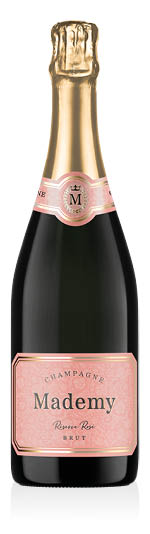
Champagne AOC Rosé Brut Grande Réserve Mademy

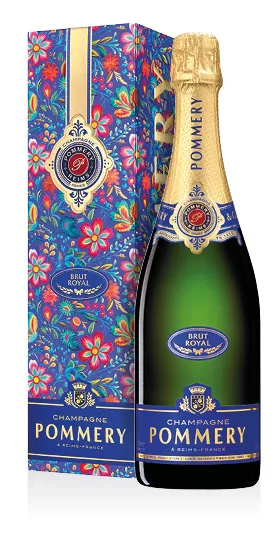
Champagne AOC Brut Royal Pommery
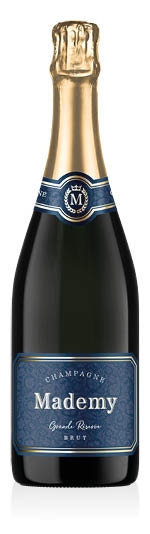
Champagne AOC Brut Grande Réserve Mademy

Champagne AOC Grand Cru Ambonnay Brut Rosé Cuvée 2 Secondé Simon Laurier
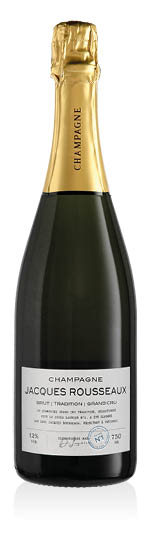
Champagne AOC Grand Cru Brut Cuvée 1 Tradition Jacques Rousseaux Laurier