 View all
 Champagne
 Sparkling Wines
 Red Wines
 White Wines
 Rosé Wines
 Alcohol-free
 Bag in box
 Fortified Wines
 Passito Wines
 Cocktails
 Gin
Gin
 Liqueur
 Whisky
 Rum
Rum
 Grappa
 Alcohol-free
 Brandy
 Eau de vie
 Tequila
 Vodka
Vodka
 Blonde
 Red
Red
 Amber
Amber
 Dark
Dark
 Mixology
 Beers
Beers
 Olive Oil
 Vinegar
 Accessories


Product details

Description
What kind of wine it is
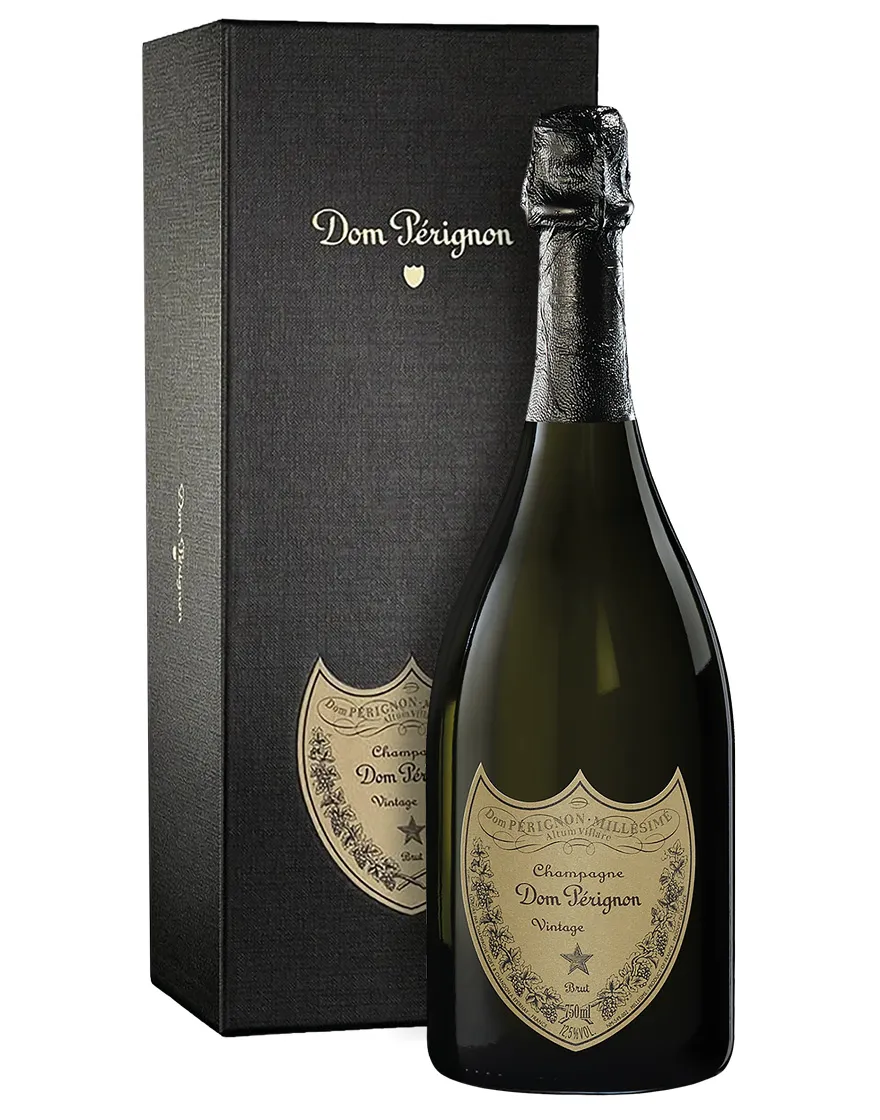
Dom Pérignon is a Brut Champagne made from a blend of Chardonnay and Pinot Noir. Vinification follows the Traditional Method with fermentation and secondary fermentation in bottle, a process that provides solid structure and aromatic complexity. Aging on the lees for at least eight years enriches the profile with depth and freshness and lends a long aging potential. The rigorous approach in the cellar ensures balance and precision and highlights the purity of the grapes.
Where it comes from
This Champagne originates in the Champagne region in northeastern France, where the chalky and clay-rich soils of hillsides such as the Montagne de Reims and the Côte des Blancs foster slow, even ripening of the grapes. The continental climate with marked temperature shifts helps develop intense aromas and vibrant acidity. The village of Hautvillers, tied to the history of bottle fermentation, stands as a benchmark for the wine’s identity and quality.
How it is made
The grapes are hand-harvested at optimal ripeness and undergo a gentle pressing to preserve the quality of the must. Primary fermentation takes place in temperature-controlled stainless-steel vats, and the second fermentation occurs in bottle according to the Traditional Method. Lees aging for at least eight years, with periodic riddling of the bottles, develops fine bubbles and bready notes, offering complexity and a creamy texture.
Tasting notes
On sight it shows a bright straw yellow color with golden highlights and a fine, persistent perlage. The bouquet alternates scents of toasted cocoa and spices such as anise and cardamom with floral notes of linden, jasmine, and peony. On the palate, the fruity freshness of orange and green papaya integrates with a firm structure, supported by velvety creaminess and a long, lingering finish.
What it pairs with
This Champagne pairs well with seafood dishes such as oysters and shellfish and highlights the freshness of the seafood. Its lively acidity creates a harmonious contrast with soft cheeses like Brie or local selections from Champagne. Among regional pairings, cheese gougères showcase the wine’s structure, while Quiche Lorraine complements its aromatic complexity.
When to serve it
Its structure and long lees aging allow enjoyment after a few years of maturation or development for up to twenty years. The ideal drinking window falls between the fifth and fifteenth year after bottling, when the evolved notes and freshness reach an optimal balance between complexity and vitality.
7 products of Dom Pérignon View all
7 products of Dom Pérignon


Champagne Brut AOC Vintage 2017 Dom Pérignon
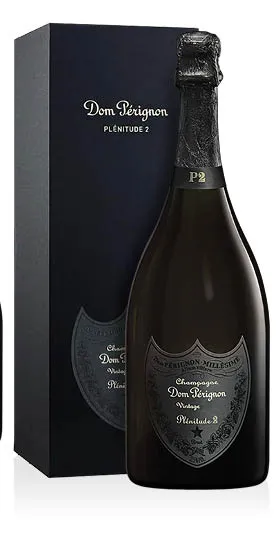
Champagne AOC Brut Plénitude 2 Vintage 2006 Dom Pérignon
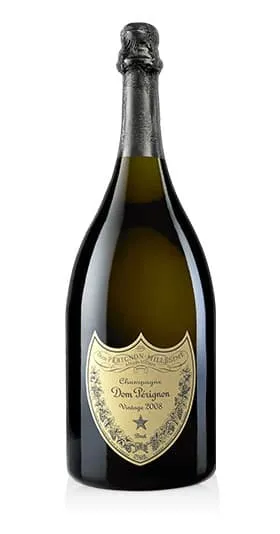
Champagne AOC Vintage 2013 Dom Pérignon
You may also be interested in
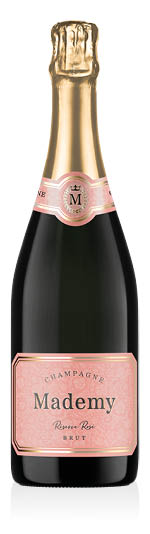
Champagne AOC Rosé Brut Grande Réserve Mademy
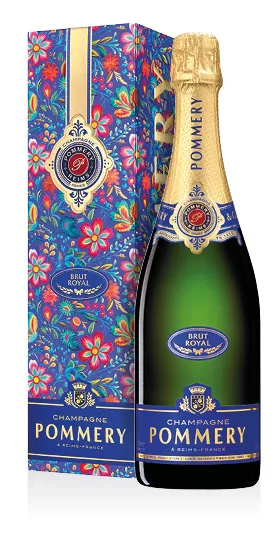
Champagne AOC Brut Royal Pommery
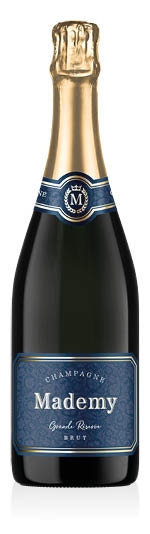
Champagne AOC Brut Grande Réserve Mademy

Champagne AOC Grand Cru Ambonnay Brut Rosé Cuvée 2 Secondé Simon Laurier
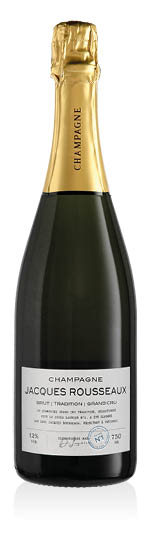
Champagne AOC Grand Cru Brut Cuvée 1 Tradition Jacques Rousseaux Laurier