 View all
 Champagne
 Sparkling Wines
 Red Wines
 White Wines
 Rosé Wines
 Alcohol-free
 Bag in box
 Fortified Wines
 Passito Wines
 Cocktails
 Gin
Gin
 Liqueur
 Whisky
 Rum
Rum
 Grappa
 Alcohol-free
 Brandy
 Eau de vie
 Tequila
 Vodka
Vodka
 Blonde
 Red
Red
 Amber
Amber
 Dark
Dark
 Mixology
 Beers
Beers
 Olive Oil
 Vinegar
 Accessories


Product details
Description
What kind of wine is it?
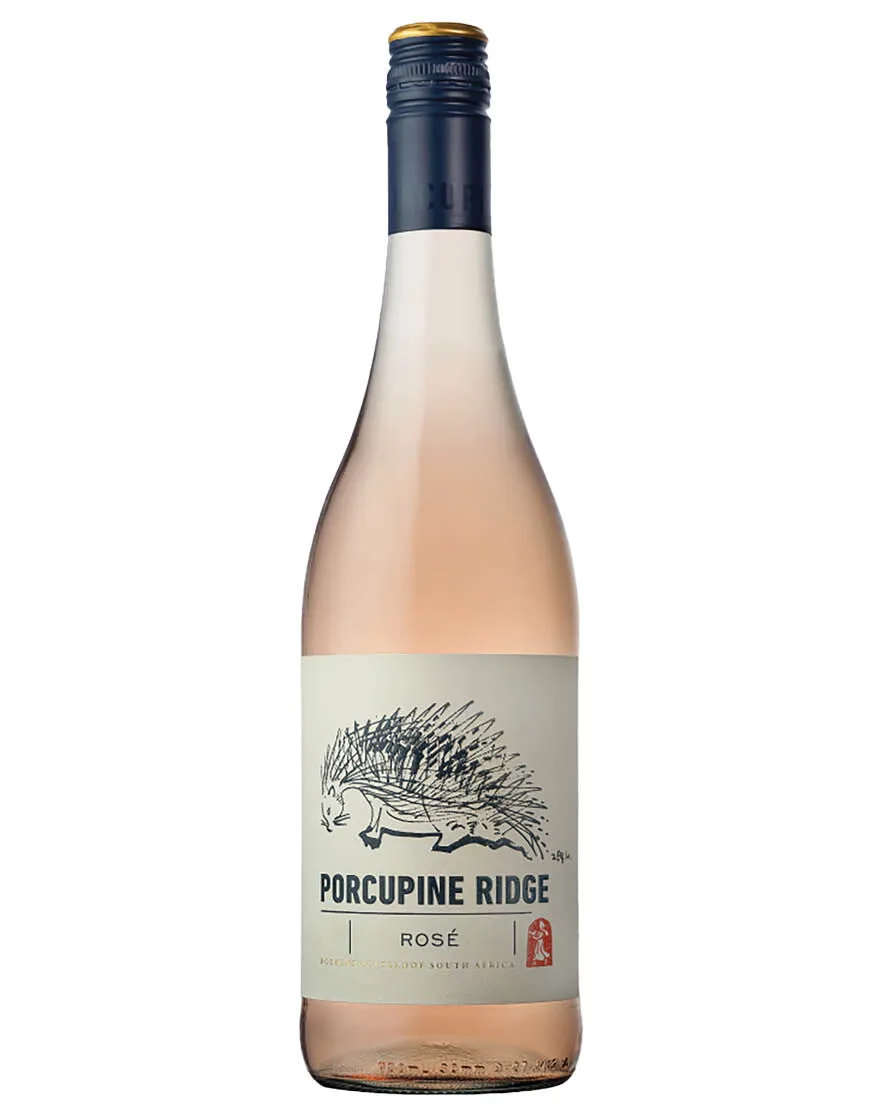
Porcupine Ridge Rosé by Boekenhoutskloof is a dry rosé from the Coastal Region, blended with Cinsault and Syrah. The style displays crisp freshness, a soft texture, and good acidity that enhances the fruit and leads to a dry finish. Vinification using the saignée method and fermentation in stainless steel preserves aromatic purity and a clean palate. The profile is distinguished by its versatility and immediate drinkability, with discreet complexity.
Where does it come from?
The area of origin is the Franschhoek Valley, in the Coastal Region, where the influence of the ocean and cool breezes preserve aromas and acidity. The vineyards are located on both slopes and valley floors, benefiting from a maritime climate and constant ventilation that contribute to a fruity, dry, and aromatically precise rosé.
How it is produced
Production begins with a careful selection of Cinsault and Syrah grapes, harvested to balance ripeness and freshness. The grapes are fermented using the saignée method, with brief contact between the must and the skins to extract color and aromas without excess tannins. After cold decantation, fermentation takes place in temperature-controlled stainless steel with selected yeasts, a choice that enhances the varietal aromas. Aging proceeds without oak barrels to maintain fragrance and linearity and to offer a dry, smooth rosé.
Tasting notes
A bright, transparent copper color emerges. The nose reveals clean aromas of red cherry, wild strawberry, and pomegranate, with vegetal nuances of tomato leaf and a floral note of acacia. On the palate, the attack is fresh and the structure is rounded, with a harmonious mid-palate and a linear progression. The acidity sustains the drink, and the finish remains clean and dry, with spicy hints of star anise that add precision and aromatic continuity.
What does it pair with?
Porcupine Ridge Rosé pairs easily with cured meats and savory but not overly fatty dishes, where its freshness and dry finish cleanse the palate. Excellent with tomato pizza, grilled vegetables, or delicate cured meats, its immediacy also makes a great aperitif. In a South African context, it pairs with smoky grilled dishes such as braai chicken or lightly spiced boerewors, while among traditional dishes, bobotie is convincing if the spiciness remains balanced.
When to serve it
This rosé should be served chilled to enhance its aromatic precision and clean flavor, ideal between late spring and summer but suitable year-round for those seeking a light, gourmet experience. The recommended serving temperature is between 10 and 12°C, with a medium-sized glass that enhances the red fruit and floral notes. Suitable for informal occasions, from an aperitif to a light lunch, it pairs seamlessly with cured meats, pizza, and grilled meats. Consumption within 2–3 years of harvest is recommended to maintain its vivacity and definition.
7 products of Boekenhoutskloof View all
7 products of Boekenhoutskloof


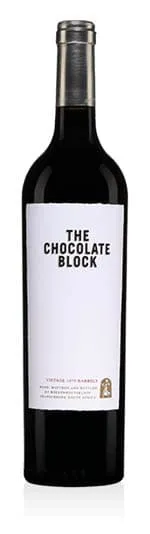
Swartland WO The Chocolate Block 2024 Boekenhoutskloof

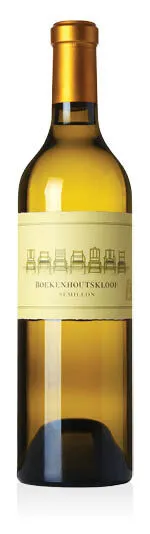
Franschhoek Valley WO Sémillon 2020 Boekenhoutskloof
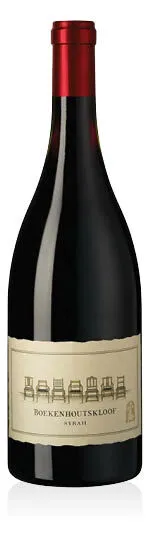
Swartland WO Syrah 2022 Boekenhoutskloof
You may also be interested in

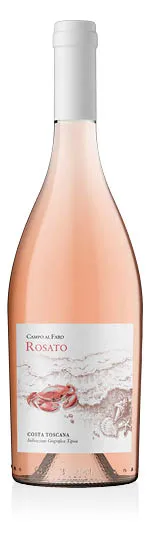
Costa Toscana Rosato IGT 2023 Campo al Faro

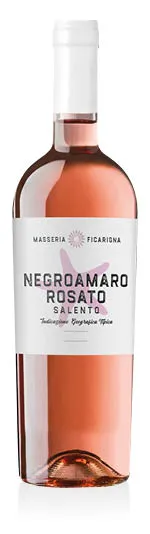
Puglia IGT Negroamaro Rosato 2024 Masseria Ficarigna

Sicilia DOC Rosato Lu Meli 2025 Li Ciuri
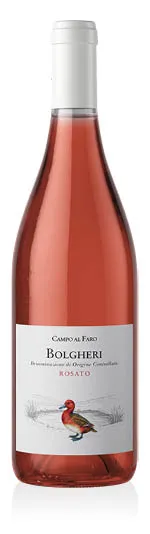
Bolgheri DOC Rosato 2025 Campo al Faro

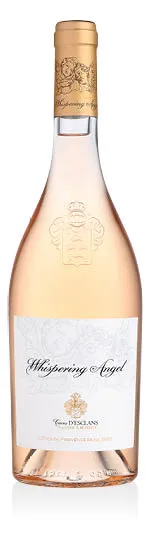
Côtes de Provence AOC Whispering Angel 2025 Château d'Esclans