 View all
 Champagne
 Sparkling Wines
 Red Wines
 White Wines
 Rosé Wines
 Alcohol-free
 Bag in box
 Fortified Wines
 Passito Wines
 Cocktails
 Gin
Gin
 Liqueur
 Whisky
 Rum
Rum
 Grappa
 Alcohol-free
 Brandy
 Eau de vie
 Tequila
 Vodka
Vodka
 Mixology
 Beers
Beers
 Olive Oil
 Vinegar
 Accessories
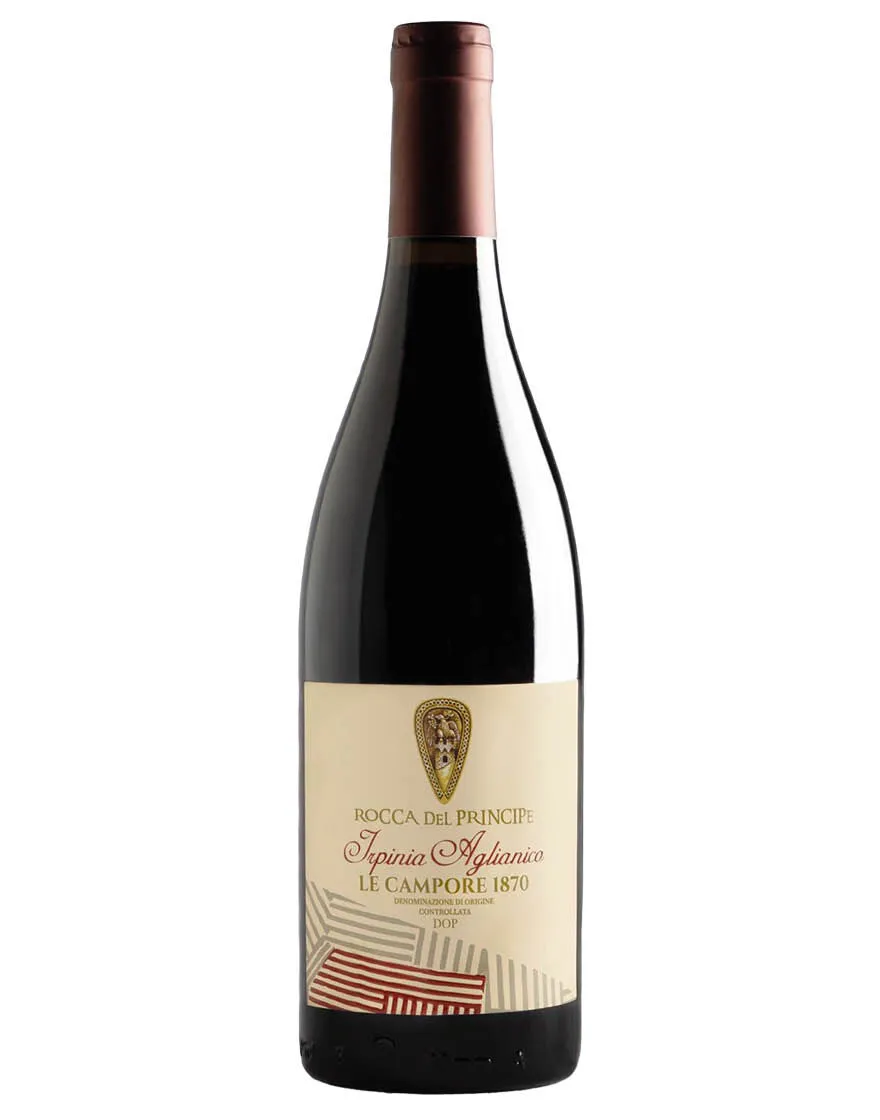


Product details
Description
What kind of wine it is
Aglianico Le Campore 1870 produced by Rocca del Principe is a characterful red wine, a faithful expression of the Irpinia appellation. Made from Aglianico grapes, it encapsulates the distinguishing features of a territory renowned for quality viticulture. Vinification in steel and subsequent aging in French oak barriques give it remarkable aromatic depth. The result is a structured sip, supported by a well-defined tannic texture and a persistent finish, ideal for pairing with hearty dishes.
Where it comes from
The vineyards are located in the Campore locality, in the municipality of Lapio, a highly representative area of the Campania wine scene. The vines sink their roots into clay-limestone soils, which transmit natural vigor to the clusters. The optimal southern exposure guarantees constant sunlight, a crucial factor for proper ripening of the fruit. This interplay between soil and microclimate results in a profile with marked olfactory complexity and an intense taste.
How it is produced
The process begins with manual harvesting, usually carried out in the first ten days of November, when the grapes reach full ripeness. In the cellar, the must undergoes fermentation in steel tanks with a fifteen-day skin maceration to extract color and structure. Afterwards, the wine rests for twelve months in French oak barriques, a crucial step that smooths its profile and best integrates its various organoleptic components.
Tasting notes
To the eye, it shows off a deep ruby red color. The aroma is broad and layered, dominated by clear fruity notes of black cherry and ripe plum, gradually giving way to spicy hints and delicate balsamic nuances. On the palate, it is dynamic, warm, and enveloping, guided by present yet well-balanced tannins that accompany the tasting progression. The finish is long and persistent, leaving the mouth clean.
Food pairings
The solidity of this red calls for dishes capable of matching its flavor intensity. It pairs perfectly with hearty first courses of the local tradition, such as pasta with slow-cooked ragù or elaborate sauces. It is also well suited to rich charcuterie boards and well-aged cheeses, as well as roasts and red meat preparations. The presence of tannins is valuable for cleansing the palate and creates a pleasant, continuous progression with the meal.
When to serve it
This label proves to be the most suitable choice for lunches and convivial dinners, especially when the menu features rich and tasty recipes. Its presence enhances a varied table and confidently accompanies the entire meal, from land-based appetizers to more complex main courses. It is the ideal companion when you want to serve a wine that offers a perfect balance between fruit expression and an enveloping structure to enhance moments of sharing.
4 products of Rocca del Principe View all
4 products of Rocca del Principe


Fiano di Avellino DOP Riserva 2018 Rocca del Principe
Taurasi DOCG Aurelia 2020 Rocca del Principe
Fiano di Avellino DOCG Riserva Tognano 2023 Rocca del Principe
You may also be interested in

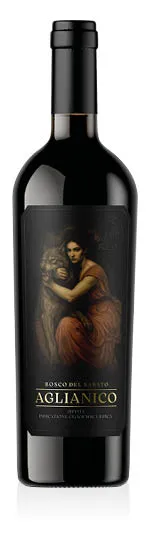
Irpinia DOC Aglianico 2021 Bosco del Sabato

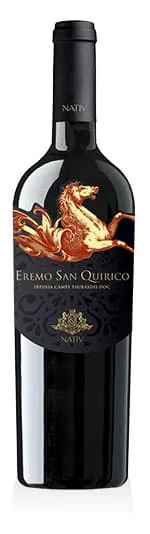
Irpinia Campi Taurasini DOC Eremo San Quirico 2019 Nativ

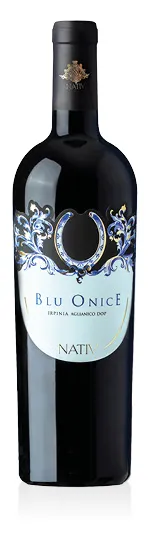
Irpinia DOP Aglianico Blu Onice 2020 Nativ
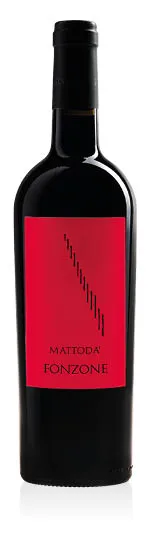
Irpinia Campi Taurasini DOC Aglianico Mattoda' 2021 Fonzone
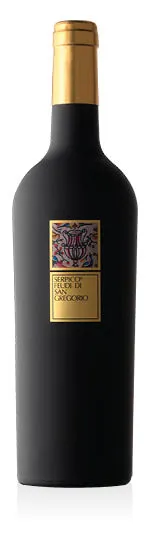
Irpinia DOC Aglianico Serpico 2017 Feudi di San Gregorio