 View all
 Champagne
 Sparkling Wines
 Red Wines
 White Wines
 Rosé Wines
 Alcohol-free
 Bag in box
 Fortified Wines
 Passito Wines
 Cocktails
 Gin
Gin
 Liqueur
 Whisky
 Rum
Rum
 Grappa
 Alcohol-free
 Brandy
 Eau de vie
 Tequila
 Vodka
Vodka
 Mixology
 Beers
Beers
 Olive Oil
 Vinegar
 Accessories


Product details

Description
What kind of wine it is
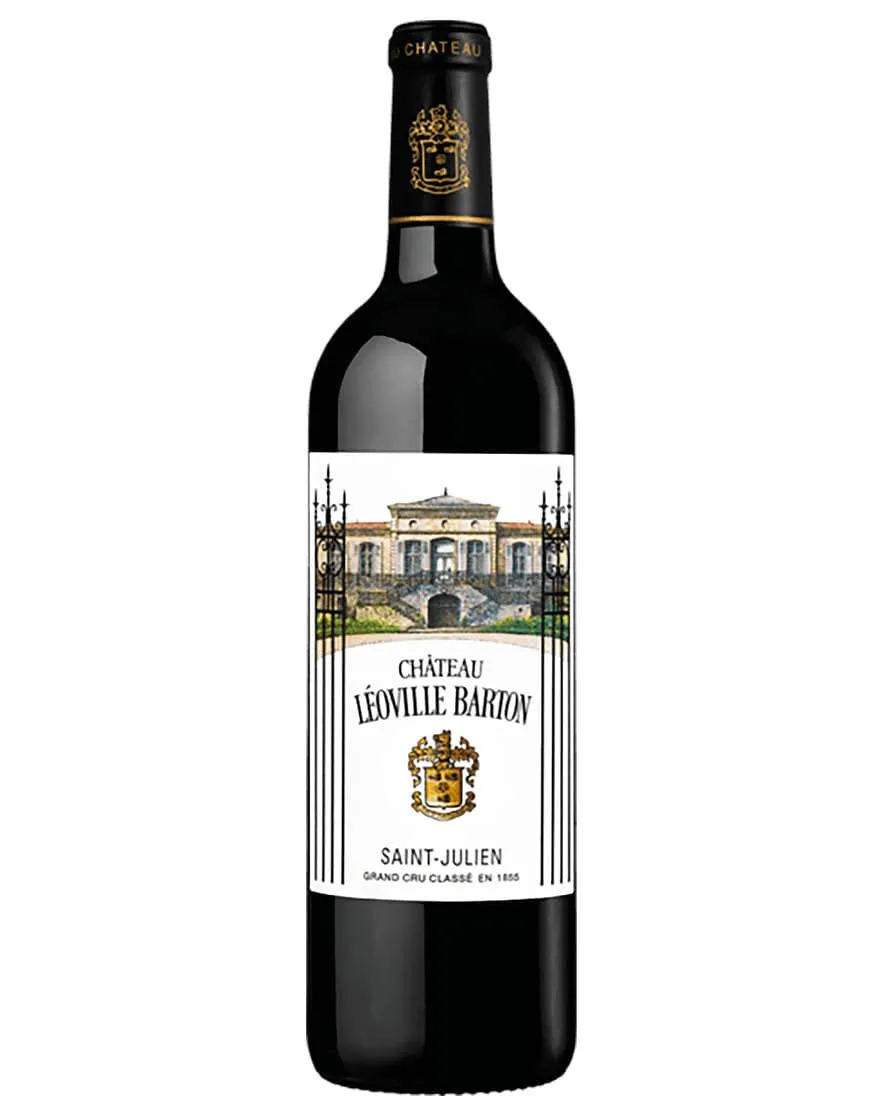
Château Léoville-Barton is a red wine from Saint-Julien that stands out for its traditional style, with fermentation in large wooden vats and aging in French oak barrels. This process gives the wine a full structure, precise tannins, and an aromatic depth that favors evolution over time. The flavor profile balances dark fruit, spices, and a persistent texture, offering an experience true to the typical character of the Médoc.
Where it comes from
The wine comes from Saint-Julien, in the heart of the Haut-Médoc. This area is renowned for producing reds that combine power and restraint, guaranteeing balance, structure, and remarkable aging potential. The local climate favors regular ripening of the grapes and contributes to the overall balance of the wine.
How it is produced
Vinification takes place at Château Léoville-Barton with a traditional approach. The grapes ferment in large wooden vats, a choice that allows controlled extraction and optimal temperature management. Aging continues for about 20 months in French oak barrels, half of which are new, to integrate the tannins and enrich the spicy profile. This method preserves the clarity of the fruit and the solidity of the structure, ensuring a long-lived and harmonious wine.
Tasting notes
Visually, it appears a deep purple-red. On the nose, notes of violet, cherry, and blueberry emerge, with hints of dark chocolate and cardamom and well-integrated spiciness from the oak. On the palate, the sip is full-bodied and structured, with well-ordered tannins, a compact progression, and a persistent finish. The balance between substance, freshness, and spice supports good evolution over time.
What it pairs well with
It naturally pairs with red meats such as beef and lamb, as well as noble poultry. The structure and tannins support dishes like braised and roasted meats, while notes of dark fruit and spice integrate with sauces and reductions. Among the recommended pairings, roast duck with seasonal vegetables stands out. Locally, it can accompany typical dishes from the Bordeaux region.
When to serve it
Recommended for important lunches or meat-based dinners, this wine improves with a few years of aging in the bottle. It can also be enjoyed when young if well aerated, but it attains greater complexity after some rest. Serve it at a structured red wine temperature, after suitable aeration, to enhance fruit, spice, and oak. In optimal storage conditions, it can evolve favorably for many years, gaining in finesse and depth.
You may also be interested in


Saint-Julien AOC 3ème Cru Classé 2022 Château Langoa-Barton


Saint-Julien AOC 2ème Cru Classé 2019 Château Leoville Las Cases
Saint-Julien AOC 2ème Vin Les Fiefs de Lagrange 2023 Château Lagrange
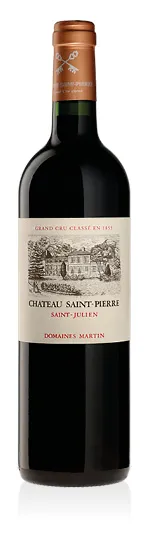
Saint-Julien AOC 4ème Cru Classé 2021 Château Saint-Pierre
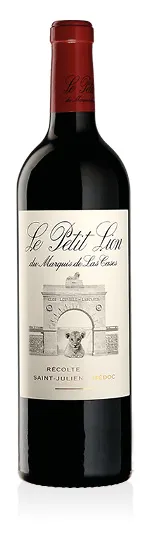
Saint-Julien AOC Le Petit Lion du Marquis de Las Cases 2022 Château Leoville Las Cases