 View all
 Champagne
 Sparkling Wines
 Red Wines
 White Wines
 Rosé Wines
 Alcohol-free
 Bag in box
 Fortified Wines
 Passito Wines
 Cocktails
 Gin
 Grappa
 Liqueur
 Rum
 Whisky
 Alcohol-free
 Brandy
 Eau de vie
 Tequila
 Vodka
 Mixology
 Beers
 Olive Oil
 Vinegar
 Accessories
vodka
Frequently asked questions
Is vodka 70% alcohol?
No. Under EU rules, vodka must have an alcoholic strength of at least 37.5% vol, and the same minimum applies to flavoured vodka. The exact strength of each bottle is printed on the label. The "70cl" you will often see on European bottles is something else entirely: it tells you how much the bottle holds, not how strong the spirit is.
What is vodka made from?
Vodka starts life as agricultural alcohol, made by fermenting potatoes, grain or other agricultural raw materials, which is then distilled so that their flavour is toned down. If it is not made from potatoes or grain alone, the label must say "produced from …", followed by the raw material. In Poland and Russia, the tradition leans mainly towards grain, and Poland has its own EU geographical indication: Polska Wódka/Polish Vodka.
What makes potato vodka different?
The difference lies in the raw material: EU rules put potatoes and grain on an equal footing as a base for vodka. Distillation softens the flavour of whatever the spirit is made from, but it does not erase it entirely, which is why potato vodka is generally described as softer and rounder than grain vodka. Either way, vodka must be colourless and free of any dominant flavour.
What are grain vodkas?
Grain vodkas are made from the alcohol of fermented cereals such as wheat, rye, barley or maize, and they are the most widespread tradition in Eastern Europe. Whisky starts with grain too, but the two part ways at distillation: whisky is distilled to keep the character of the grain and must age for at least three years in wood, whereas vodka is distilled to tone it down and may not be coloured.


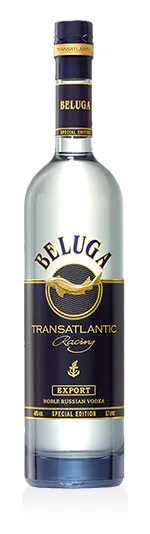
Transatlantic Racing Vodka Beluga
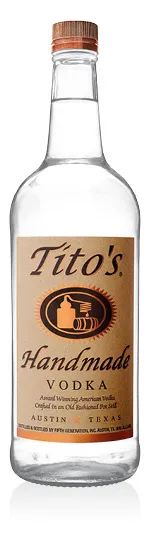
Handmade Vodka Tito's

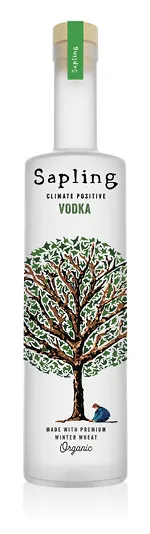
Climate Positive Vodka Sapling
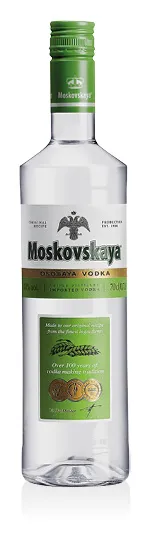
Vodka Osobaya Moskovskaya
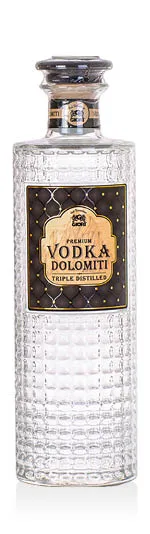
Dolomiti Premium Vodka Giori
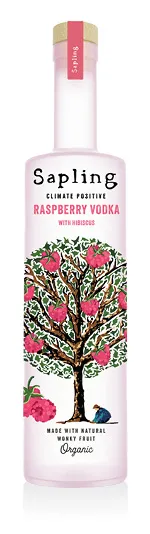
Raspberry Vodka with Hibiscus Sapling
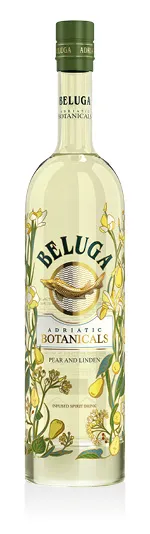
Vodka Adriatic Botanicals Pear And Linden Beluga
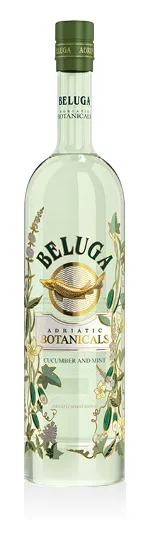
Vodka Adriatic Botanicals Cucumber And Mint Beluga
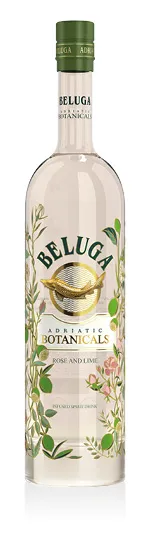
Vodka Adriatic Botanicals Rose And Lime Beluga
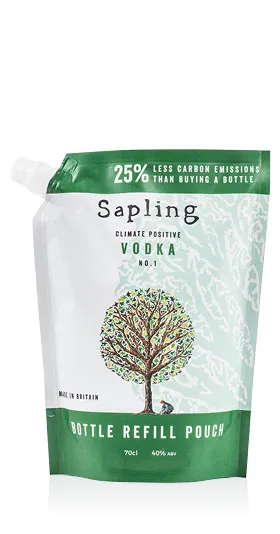
Climate Positive Vodka Sapling
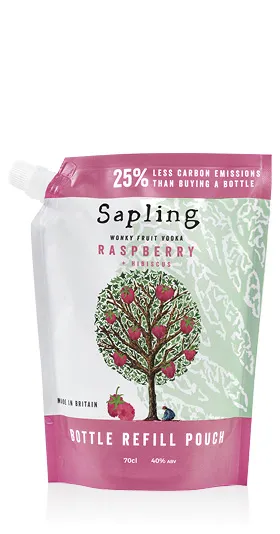
Wonky Fruit Vodka Raspberry + Hibiscus Sapling
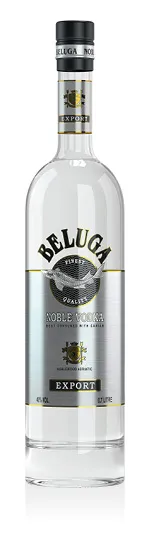
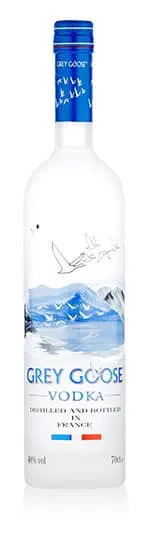
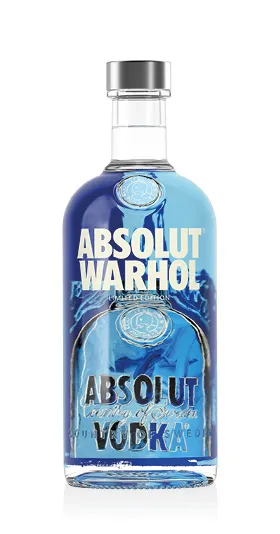
Warhol Vodka Limited Edition Absolut

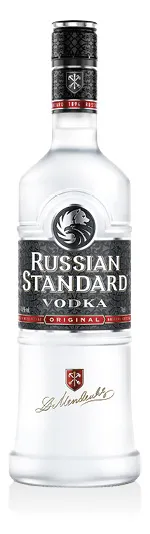
Vodka Original Russian Standard

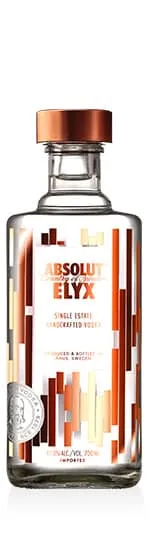
Elyx Single Estate Handcrafted Vodka Absolut
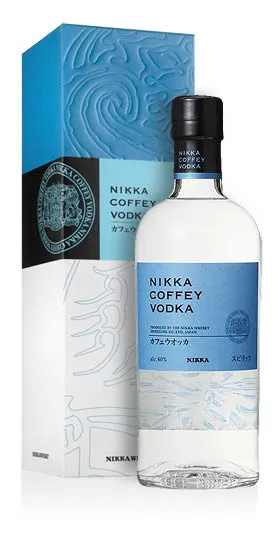
Coffey Vodka Nikka