 View all
 Champagne
 Sparkling Wines
 Red Wines
 White Wines
 Rosé Wines
 Alcohol-free
 Bag in box
 Fortified Wines
 Passito Wines
 Cocktails
 Gin
Gin
 Liqueur
 Whisky
 Rum
Rum
 Grappa
 Alcohol-free
 Brandy
 Eau de vie
 Tequila
 Vodka
Vodka
 Mixology
 Beers
Beers
 Olive Oil
 Vinegar
 Accessories
whisky: a distillate with an authentic flavour
Whisky is considered the noblest of all grain-based spirits. Connoisseurs enjoy sipping it neat or with a few drops of pure water to enhance its flavour.
One of the main differences between the various types of whisky lies in the grain used for its production. Barley, maize, rye, oats, and wheat can all be used in the process.
Other important factors include the water used for mashing, the region and production techniques, the wood of the barrels, and the ageing process.
The origins of this spirit have long been contested between Scotland and Ireland. In reality, neither can claim absolute primacy. The very name originates from the Gaelic "uisge beatha," a translation of the Latin "aqua vitae," which, through English pronunciation in the 18th century, became "usky" and later "whisky."
The most significant types include whisky made exclusively from malted barley, known as Single Malt. Whisky derived from maize and oats is called Grain Whisky, which is generally less complex and structured than the former. Blended whisky is the result of mixing distillates from different grains.
Which are the finest whiskies?
In Scotland, the world of whisky is rich and varied, with each type having its own distinctive characteristics. Most Scotch whiskies are defined by the sweetness of the malt and the dry smokiness of peat. This smoky note, which varies in intensity, is further influenced by the ageing process in barrels.
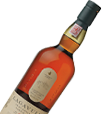
However, each production region imparts a unique character to the whisky. On the Isle of Islay, the spirit takes on pronounced iodine and maritime notes, dry and sharp. This is where world-famous whiskies such as Lagavulin are produced.
In the Highlands, whiskies tend to be more complex and full-bodied, with an enveloping character and a pleasant smoky note. This is further enhanced by the fact that the barrels used for ageing have often previously held sherry. One of the region’s most renowned producers is Aberfeldy.
Whiskies from the Islands are known for their intense smokiness and peaty character, often featuring iodine and maritime notes, as seen in Talisker. In Speyside, the whiskies tend to be smoother and sweeter, such as those produced by The Glenlivet.
In Ireland, the spirit is known as Irish whiskey. Here, the aromas of barley are more pronounced, the malt is softer, and the flavours are enhanced by fermentation in oak casks. Among the most famous producers are Jameson and The Busker.
In the United States, whiskey spread thanks to European emigrants who brought fermentation and distillation techniques to the New World.
Today, the most renowned varieties include Rye Whiskey, Corn Whiskey (made from maize), and Bourbon Whiskey, produced from a maize-based mash. The name "Bourbon" originates from a county in Kentucky, while "Tennessee Whiskey" refers to whiskey produced in Tennessee that undergoes charcoal filtration.
Despite its similarities to Scotch whisky, Japanese whisky is typically more refined and delicate, allowing the malt’s aromas to take centre stage. Some of the most esteemed producers include Nikka Whisky and Matsu Whisky.
What is the difference between whisky and Scotch?
One of the fundamental differences between Scotch whisky and whiskey is the place of production. While the former is exclusively produced in Scotland, the latter, originating in Ireland, is now made in many countries, including Japan, the USA, and even Italy.
Another key distinction lies in the production method.
Scotch whisky is made using a blend of maize and other milled grains, with a small proportion of malted barley. The grains are dried in peat-fired kilns, imparting the characteristic smoky aromas.
The mixture is then heated to 140°C, dissolving the starches in the grain to create a malt wort, known as "wort."
With the addition of yeast, the fermentation process begins, converting the sugars into alcohol. The resulting low-alcohol liquid, known as "wash," then undergoes distillation in stills called "Coffey stills."
Scotch whisky is traditionally distilled twice: the first distillation occurs in one pot still, followed by a continuous second distillation in copper stills. The shape of these stills plays a crucial role in defining the whisky’s character, which is why many distilleries preserve and use their original stills for decades.
Whiskey, on the other hand, is typically made using unmalted barley. The grains are dried in closed kilns, preventing exposure to smoke and preserving their softer aromas.
Additionally, whiskey undergoes triple distillation, which is not continuous. This results in a higher alcohol content than its Scottish counterpart, which is then adjusted by diluting the whiskey.
Due to these production differences, Scotch whisky is generally lighter and more affordable than Irish whiskey and other whiskeys.
Why is water paired with whisky?
The first step in properly tasting whisky is using the right glass. Suitable options include classic spirit glasses, tulip-shaped glasses, pear-shaped glasses, or even closed glasses. The key is to use a glass that retains the aromas and enhances the tasting experience by directing the scents to a narrower surface.
Whisky is served and enjoyed neat at room temperature. Some people prefer to have a separate glass of fresh water, which helps cleanse the palate between sips, allowing for a better appreciation of the bouquet.
The tasting process begins with a small sip, held in the mouth for a few seconds. This is followed by longer sips, occasionally alternating with water.
Adding a few drops of water to the whisky is an accepted practice, as it can open up the bouquet and enhance the aromas.
However, ice should be avoided, as it dilutes the whisky and diminishes both its flavours and aromas.
Why buy whisky online?
Purchasing whisky from Vino.com allows you to choose from a vast selection of products, making it easy to find the perfect bottle for yourself or as a gift.
Use our Online Sommelier to browse available options effortlessly and select your favourites with just a few clicks.
Discover top-quality whiskies such as Talisker, Jack Daniel’s, Lagavulin, and many more. You can also choose from different ageing styles and a wide range of casks.
Experience the convenience of shopping on Vino.com, awarded as Italy’s best online wine shop!


Coffey Grain Whisky Nikka
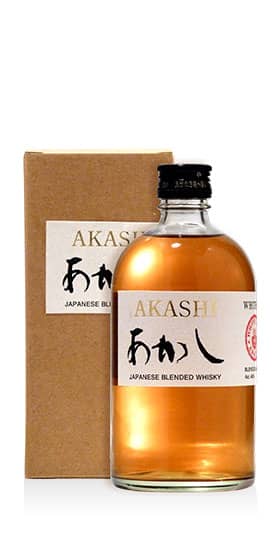
Japanese Blended Whisky Akashi White Oak
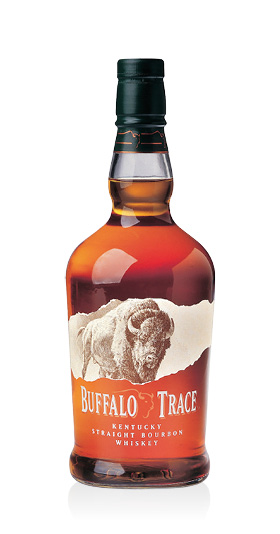
Kentucky Straight Bourbon Whiskey Buffalo Trace Distillery
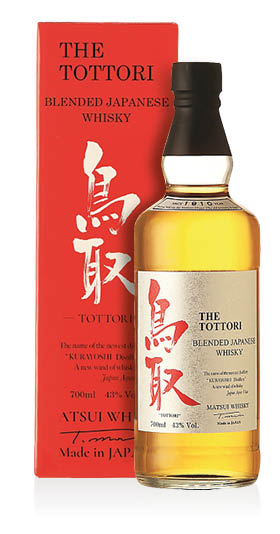
Blended Japanese Whisky The Tottori Matsui
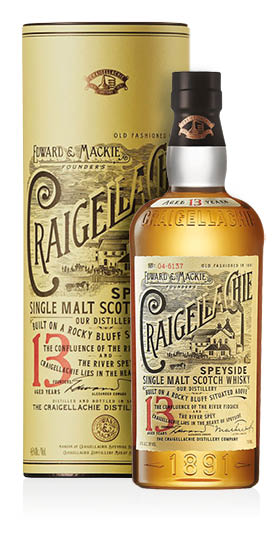
Speyside Single Malt Scotch Whisky Aged 13 Years Craigellachie

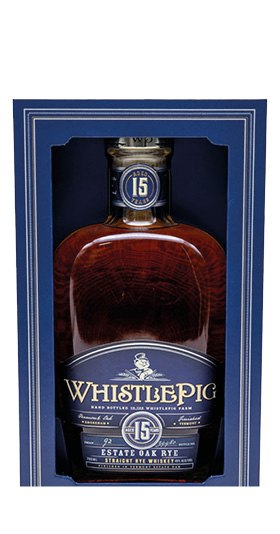
Estate Oak Rye Whiskey Aged 15 Years WhistlePig
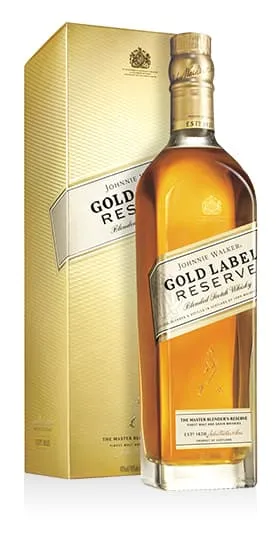
Blended Scotch Whisky Gold Label Reserve Johnnie Walker
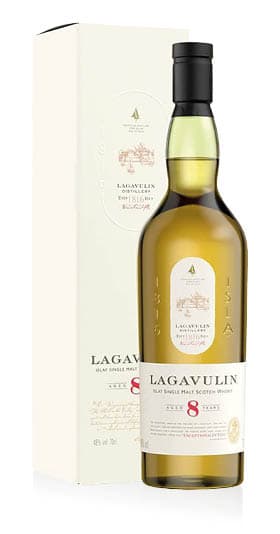
Islay Single Malt Scotch Whisky Aged 8 Years Lagavulin
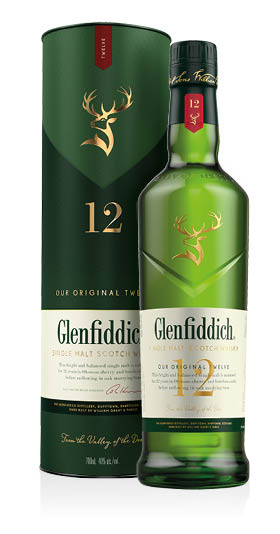
Single Malt Scotch Whisky Aged 12 Years Glenfiddich
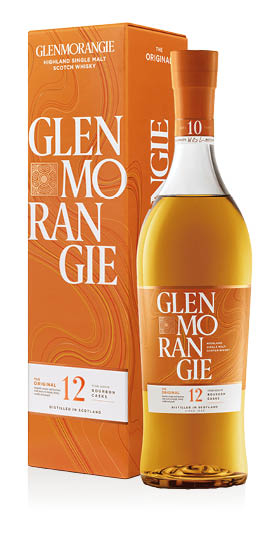
Highland Single Malt Scotch Whisky Aged 12 Years The Original Glenmorangie
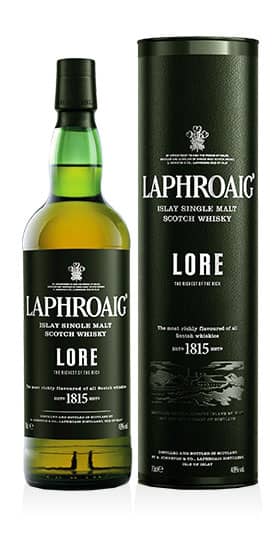
Islay Single Malt Scotch Whisky Lore Laphroaig
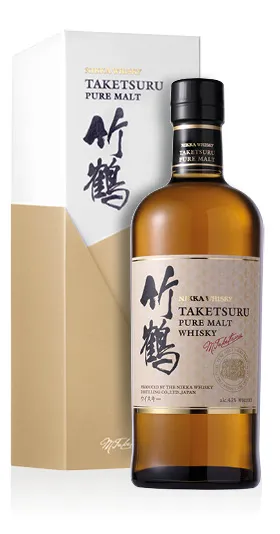
Pure Malt Japanese Whisky Taketsuru Nikka
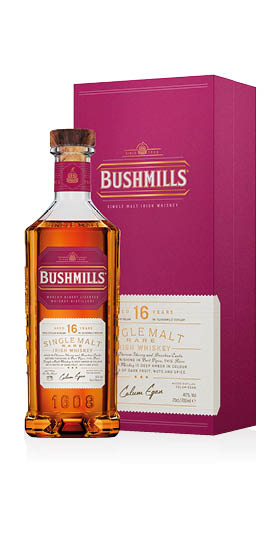
Single Malt Irish Whiskey Triple Distilled Aged 16 Years Bushmills
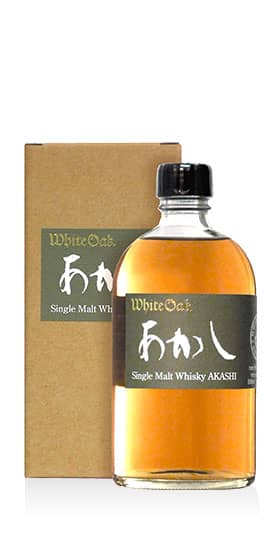
Single Malt Japanese Whisky Akashi White Oak
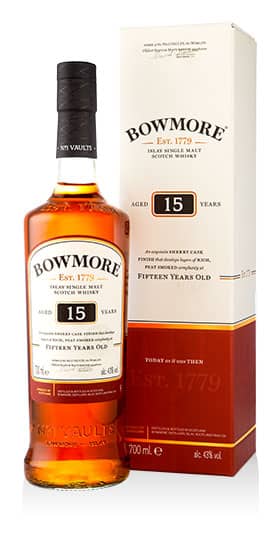
Islay Single Malt Scotch Whisky Aged 15 Years Bowmore
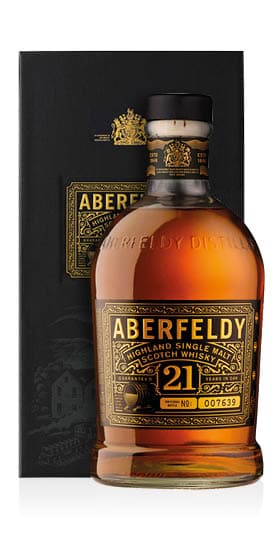
Highland Single Malt Scotch Whisky Guaranteed 21 Years in Oak Aberfeldy
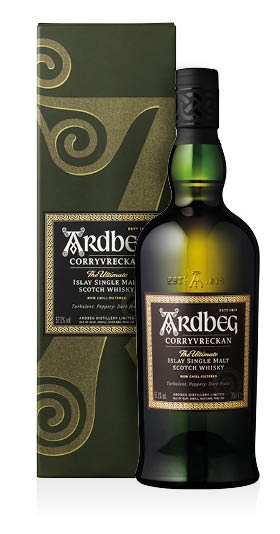
Islay Single Malt Scotch Whisky Corryvreckan Ardbeg
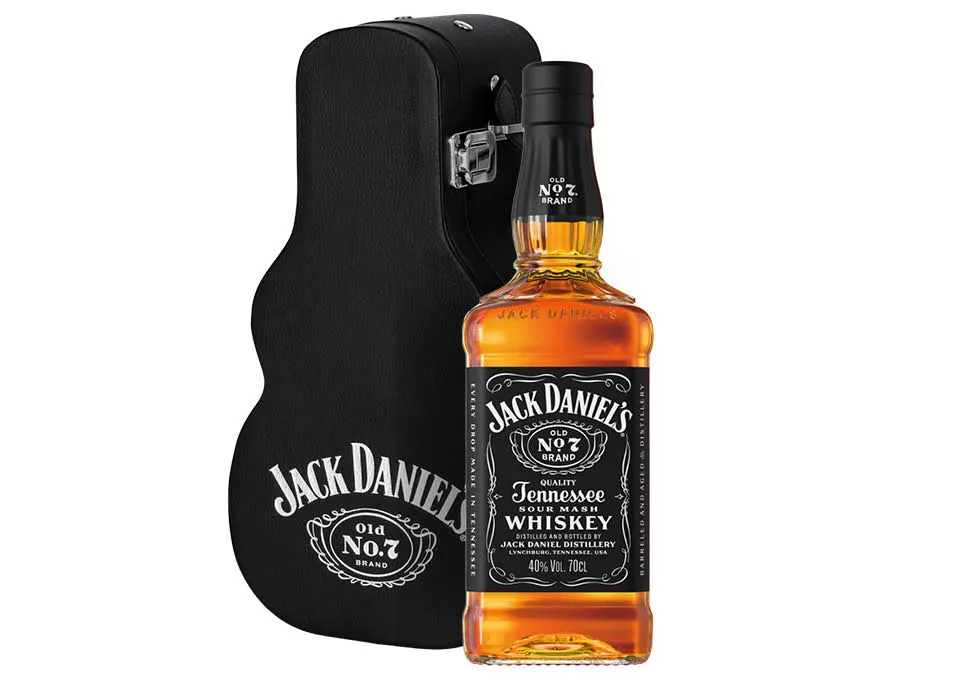
Old No. 7 Tennessee Whiskey Guitar Case, 0,7 ℓ, Guitar Case