 View all
 Champagne
 Sparkling Wines
 Red Wines
 White Wines
 Rosé Wines
 Alcohol-free
 Bag in box
 Fortified Wines
 Passito Wines
 Cocktails
 Grappa
 Gin
 Liqueur
 Rum
 Whisky
 Alcohol-free
 Brandy
 Eau de vie
 Tequila
 Vodka
 Mixology
 Beers
 Olive Oil
 Vinegar
 Accessories
Carpineto
Carpineto is one of the most significant estates in Tuscan wine. It was founded in 1967 in Dudda, in the municipality of Greve in Chianti, by Giovanni Carlo Sacchet and Antonio Mario Zaccheo, two friends driven by the ambition to produce a Chianti Classico of the highest level. To this day the Sacchet and Zaccheo families run the estate together, with oenologist Caterina Sacchet, who inherited from her father both knowledge and a passion for the land.
From the outset Carpineto set itself apart through innovation: careful site and clone selection, low yields, and in the cellar pioneering techniques such as controlled malolactic fermentation, indigenous yeasts, cold and carbonic macerations, and aging in barrique. In 1994 Giancarlo Sacchet was awarded at the IWSC in London as the best winemaker in the world, the first Italian to obtain this title, and several of the winery’s wines have made Wine Spectator’s Top 100.
Today Carpineto farms 500 hectares of estate vineyards across five properties, the Appodiati, in Tuscany’s historic zones: Chianti Classico, Vino Nobile di Montepulciano, Brunello di Montalcino, Alto Valdarno and Maremma. In Montepulciano, since 1998, what is probably Italy’s largest contiguous high-density vineyard has grown to nearly 100 hectares, and here the winery produces only Vino Nobile Riserva or cru bottlings. Also in 1998 Poggio Sant’Enrico was born, the first 100% Sangiovese from the Montepulciano area.
Farming is sustainable and the company is carbon positive: forests, olive groves and vineyards absorb 26% more carbon than is emitted by production processes. Three production lines and over 30 labels, from Dogajolo to Farnito through to the Appodiati, are appreciated in 70 countries.
Carpineto is the story of two families united by their love for Sangiovese and by the desire to take part in the wine renaissance in Tuscany.

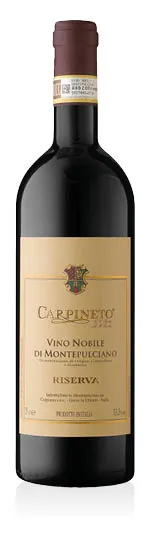
Nobile di Montepulciano DOCG Riserva 2020 Carpineto
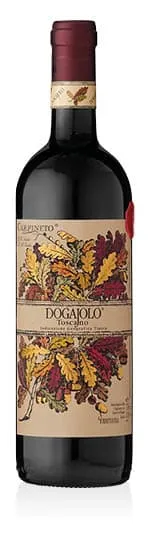
Toscana Rosso IGT Dogajolo 2023 Carpineto

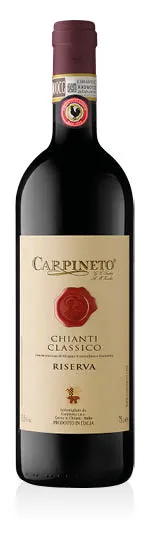
Chianti Classico DOCG Riserva 2020 Carpineto
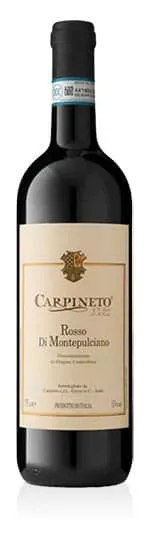
Rosso di Montepulciano DOC 2024 Carpineto
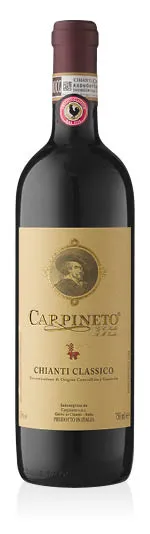
Chianti Classico DOCG 2024 Carpineto