 View all
 Champagne
 Sparkling Wines
 Red Wines
 White Wines
 Rosé Wines
 Alcohol-free
 Bag in box
 Fortified Wines
 Passito Wines
 Cocktails
 Gin
 Grappa
 Liqueur
 Whisky
 Rum
 Alcohol-free
 Brandy
 Eau de vie
 Tequila
 Vodka
 Mixology
 Beers
 Olive Oil
 Vinegar
 Accessories
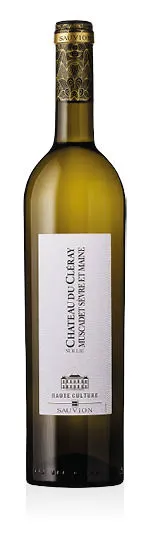
Château du Cléray
Château du Cléray is the historic home of Maison Sauvion, in Vallet, in the heart of the vignoble nantais and the Muscadet Sèvre et Maine appellation. The site’s history dates back to the Middle Ages, when the former seigneury stood out with a fortified manor house surrounded by deep moats.
In the 19th century the château was transformed into an elegant residence inspired by Italian Renaissance villas, in a neoclassical and Palladian style, with work completed in 1842 to a design attributed to the architect from Nantes, Étienne Blon. At the end of the 19th century, Cardinal Richard, Archbishop of Paris, found rest there and made the estate’s wine his official altar wine, a tradition that inspired Sauvion’s Cuvée Prestige. Since 1997 the château has been listed as a Historic Monument and houses vaulted cellars among the oldest in the appellation.
The Sauvion family adventure began in 1935, when Ernest Sauvion purchased Château du Cléray with thirty hectares of land, guided by one idea: "Muscadet Plaisir", built on finesse, pleasure and sharing. For four generations the family has carried on this passion, and with the "Haute Culture" range it offers prestigious Muscadet, dense and elegant, some also suitable for ageing.
The Cléray terroir combines siliceous-clay soils and veins of schist, a legacy of the Armorican Massif, in a temperate oceanic climate where the Atlantic breeze keeps the vines healthy. The grape variety is Melon de Bourgogne, brought by monks from Burgundy in the Middle Ages and almost unique in the world.
Aromatic precision and a chiselled style make the wines of Château du Cléray refined exponents of Muscadet and the Atlantic Loire.

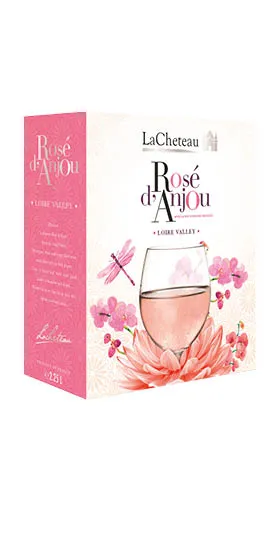
Anjou AOP Rosé Le Cheteau 2025 Château du Cléray