
 View all
 Champagne
 Sparkling Wines
 Red Wines
 White Wines
 Rosé Wines
 Alcohol-free
 Bag in box
 Fortified Wines
 Passito Wines
 Cocktails
 Gin
 Grappa
 Liqueur
 Rum
 Whisky
 Alcohol-free
 Brandy
 Eau de vie
 Tequila
 Vodka
 Mixology
 Beers
 Olive Oil
 Vinegar
 Accessories
Passito wines
Frequently asked questions
What is considered a dessert wine?
A dessert wine is any sweet wine served with pudding, or in place of it. The sweetness can come about in several ways: from late-harvested grapes, from grapes dried before pressing (the Italian passito method), from noble rot, as in Sauternes and Tokaji, from grapes picked frozen for ice wine, or from adding spirit during fermentation, as with Port. Sweet fortified wines such as Port and sweet Madeira count as dessert wines too.
What are some popular dessert wines?
Some of the best-known names are Port, Sauternes, Tokaji, Moscato d'Asti, Passito di Pantelleria, Vin Santo and Pedro Ximénez, each with a style all its own. Passito di Pantelleria is made on its namesake island from Zibibbo grapes left to dry in the sun. Moscato d'Asti is a much lighter affair: sweet, gently sparkling and low in alcohol.
What is another word for dessert wine?
The most common alternative is simply 'sweet wine'. In the UK you will also hear 'pudding wine', while Australians call it a 'sticky'. Other countries have their own terms: Italians speak of 'vino passito' or 'vino da meditazione', the French of 'vin liquoreux' or 'moelleux', and Germans of 'Süßwein'. A good Italian example is Recioto della Valpolicella, a sweet red made from dried grapes.
What are the top 3 sweet wines?
There is no official ranking, but three classics are named more often than any others: Sauternes from Bordeaux, Tokaji Aszú from Hungary and Germany's sweet Rieslings, such as Trockenbeerenauslese and Eiswein. Tokaji Aszú is made from Furmint grapes affected by noble rot, and the Tokaj wine region is a UNESCO World Heritage Site.


Toscana IGT Il Muffato 2022 Canneto

Sauternes AOC Symphonie de Haut-Peyraguey 2016 Clos Haut-Peyraguey

Sauternes AOC Premier Grand Cru Classé 2016 Clos Haut-Peyraguey

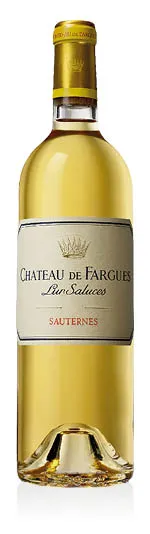
Sauternes AOC 2008 Château de Fargues

Ramandolo DOCG 2021 La Roncaia
