
 View all
 Champagne
 Sparkling Wines
 Red Wines
 White Wines
 Rosé Wines
 Alcohol-free
 Bag in box
 Fortified Wines
 Passito Wines
 Cocktails
 Gin
 Grappa
 Liqueur
 Rum
 Whisky
 Alcohol-free
 Brandy
 Eau de vie
 Tequila
 Vodka
 Mixology
 Beers
 Olive Oil
 Vinegar
 Accessories
Merlot
Merlot is one of the world’s best-known black-skinned grape varieties, native to France’s Bordeaux region and widely grown in Italy as well. Merlot wines are distinguished by their ruby-red color, aromas of plum, cherry and blackberry, and a generally soft, round, fruity palate. Depending on terroir and aging, they can be fresh and approachable or structured and complex. In Italy, Merlot shows particularly well in Friuli-Venezia Giulia, Veneto, Trentino-Alto Adige and Tuscany, both as a varietal and in blends.
What kind of wine is Merlot?
Merlot is generally a dry red wine, characterized by supple tannins, good structure, and red and black fruit aromas. Oak-aged versions can develop notes of cocoa, tobacco, and spices. It’s a versatile wine, suited to early drinking as well as aging, depending on the production style.
What’s the difference between Merlot and Cabernet?
Merlot and Cabernet Sauvignon are French grape varieties often used together. Merlot tends to offer a softer, rounder palate with notes of plum and cherry; Cabernet Sauvignon typically shows firmer tannins, greater structure, and aromas of blackcurrant, spices, and sometimes herbs. Characteristics vary according to climate, producer, and aging.
What are the best Italian Merlots?
There is no definitive ranking of the best Italian Merlots, as quality and style depend on the vintage and the producer. Among notable labels are Masseto and Messorio in Tuscany, along with various expressions from Friuli-Venezia Giulia and Alto Adige. To choose a good Italian Merlot, compare reviews, vintage, aging method, and value for money.
What does Merlot pair with?
Merlot pairs well with cured meats, savory pasta dishes, lasagna, roasts, grilled meats, and aged cheeses. Younger, fruit-driven versions also accompany white meats and everyday fare, while more structured Merlots are suited to game, braises, and rich preparations. The recommended serving temperature is generally between 16 and 18 °C.


Toscana IGT Magaldo 2016 Tenuta Carobbio


Lazio IGT Rosso Montiano 2022 Famiglia Cotarella
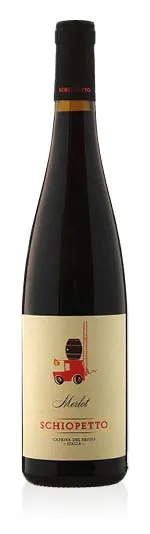
Venezia Giulia IGT Merlot del Pompiere 2022 Schiopetto

Sicilia DOC Merlot Sito dell'Ulmo 2021 Planeta


Terre Siciliane IGP Hanami 2025 Fina

Alto Adige DOC Merlot 2023 Hofstätter

Collio DOC Merlot 2021 Villa Russiz

Terre Siciliane IGT Merlot 2023 Fina

Bordeaux AOC Simone de Malescasse 2024 Château Malescasse

Patagonia IG Merlot Saurus 2024 Familia Schroeder
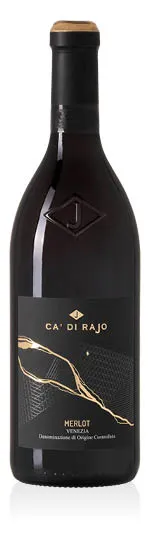
Venezia DOC Merlot 2025 Ca' di Rajo

Lazio IGT Merlot 2024 Casale del Giglio
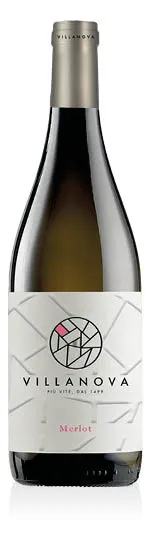
Friuli Isonzo DOC Merlot 2020 Villanova

Vino Spumante di Qualità Brut Rosé Merlot Tenuta Ulisse

Rubicone IGP Merlot 2022 Enio Ottaviani

Lazio IGT Rosso Drusilla 2022 Tenuta San Leo
