 View all
 Champagne
 Sparkling Wines
 Red Wines
 White Wines
 Rosé Wines
 Alcohol-free
 Bag in box
 Fortified Wines
 Passito Wines
 Cocktails
 Gin
 Liqueur
 Whisky
 Rum
 Grappa
 Alcohol-free
 Brandy
 Eau de vie
 Tequila
 Vodka
 Mixology
 Beers
 Olive Oil
 Vinegar
 Accessories
Saint-Emilion
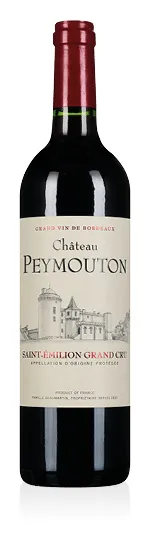
Saint-Émilion is a prestigious French red wine, produced in the eponymous winegrowing area of Bordeaux, on the right bank of the Dordogne. It is made primarily from Merlot, supported by Cabernet Franc and, to a lesser extent, Cabernet Sauvignon. It stands out for its deep ruby color, aromas of cherry, plum and black fruits, and a structured palate with generally supple tannins and spicy notes. Depending on the terroir and the maturation, it can be fresh and fruity or complex and suited to long aging. The appellation encompasses wines of different styles and quality levels.
What kind of wine is Saint-Émilion?
Saint-Émilion is a still red wine with AOC designation, produced in the Bordeaux region of France. Merlot is the predominant grape variety and brings roundness and ripe fruit aromas, while Cabernet Franc contributes freshness and structure. It pairs beautifully with red meats, roasts, game, and aged cheeses.
What is the most expensive Bordeaux wine?
Among the most expensive Bordeaux wines are Château Pétrus, produced in Pomerol, and Château Lafite Rothschild, Château Latour and Château Margaux, belonging to other renowned Bordeaux appellations. The prices of rare vintages can reach very high levels, especially at auctions. The value depends on the vintage, bottle size, storage and the bottle’s provenance.
What is the most expensive French wine?
There isn’t a single French wine that always tops the price rankings: prices vary with auctions and rarity. Among the costliest bottles are certain Burgundy Grands Crus, such as those from Domaine de la Romanée-Conti, as well as great Bordeaux and vintage Champagnes. Rare bottles can reach exceptional prices, especially in special formats or historic vintages.
What is the classification of Saint-Émilion wines?
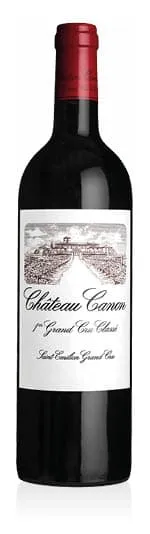
The official Saint-Émilion classification distinguishes the wines of the Saint-Émilion Grand Cru appellation into two main categories: Premiers Grands Crus Classés and Grands Crus Classés. The 2022 classification includes 14 Premiers Grands Crus Classés, 2 of which with the A distinction, and 71 Grands Crus Classés. It is updated periodically and assesses various criteria, including quality, consistency, reputation and terroir characteristics. Not all Saint-Émilion Grand Cru wines are classified.
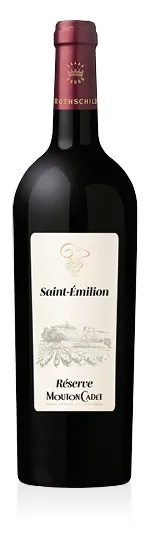
Saint-Émilion AOC Réserve Mouton Cadet 2018 Château Mouton-Rothschild