 View all
 Champagne
 Sparkling Wines
 Red Wines
 White Wines
 Rosé Wines
 Alcohol-free
 Bag in box
 Fortified Wines
 Passito Wines
 Cocktails
 Gin
Gin
 Liqueur
 Whisky
 Rum
Rum
 Grappa
 Alcohol-free
 Brandy
 Eau de vie
 Tequila
 Vodka
Vodka
 Blonde
 Red
Red
 Amber
Amber
 Dark
Dark
 Mixology
 Beers
Beers
 Olive Oil
 Vinegar
 Accessories


Product details

Description
What kind of wine it is
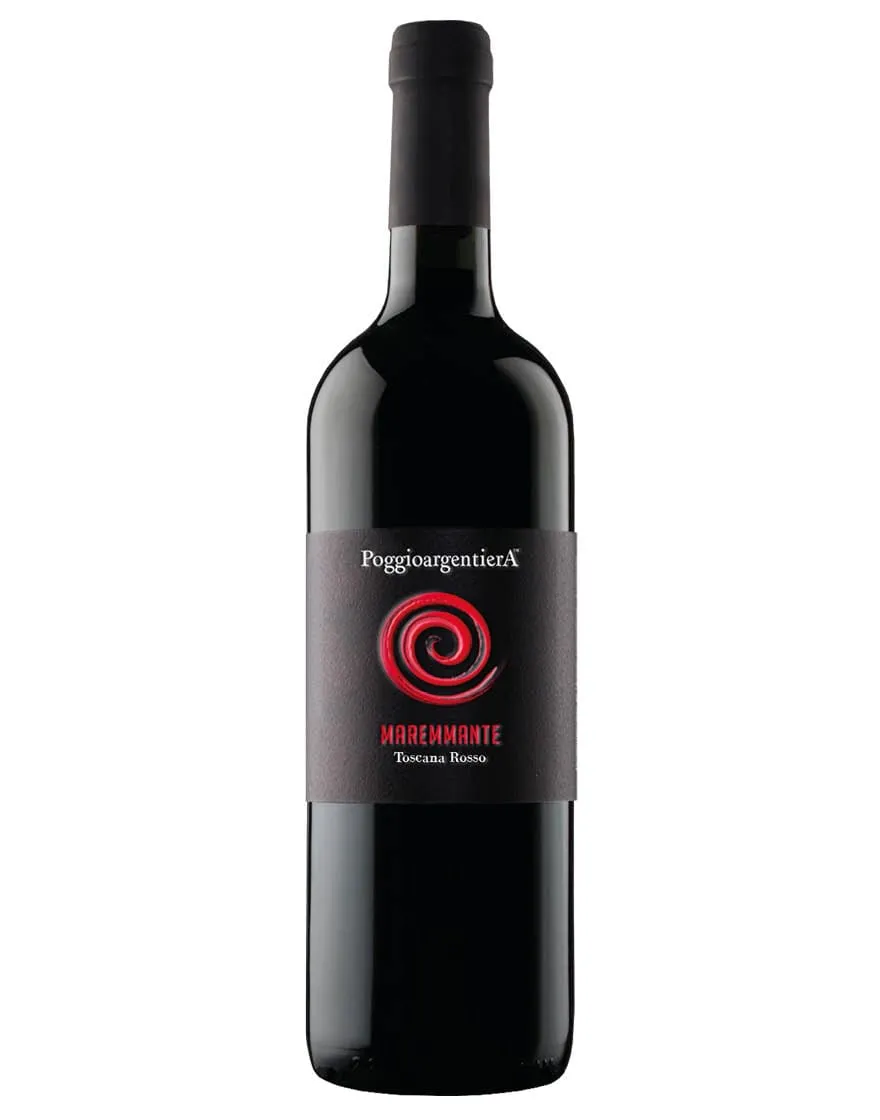
Maremmante by Poggio Argentiera is a red wine from Maremma, in southern Tuscany, obtained from grapes sourced from two complementary estate areas. After about two weeks of maceration on the skins, the wine ferments in steel at controlled temperature and matures in the same vessel. The profile is structured and balanced, with a fruity texture and spicy notes, designed to accompany the table and offer a clear interpretation of the territory.
Where it comes from
It originates in Maremma with grapes picked partly in Baccinello and partly in Alberese. In Baccinello, the vineyards are located about 350 m a.s.l. on soils with alluvial pebbles and a prevalence of calcareous clay, elements that support the structure and flavour persistence. In Alberese, the vines are just a few kilometers from the sea on predominantly sandy and silty soils, lighter and influenced by the maritime proximity, which contributes to a more dynamic and flowing profile.
How it is produced
Harvesting is manual, with bunches picked according to their ripeness. The grapes macerate on the skins for about two weeks, gradually extracting color and phenolic compounds. Fermentation takes place in temperature-controlled steel, allowing precise control of the process and aromatic components. After fermentation, the wine remains in steel for maturation, with no declared time in wood.
Tasting notes
It displays a ruby red colour with violet highlights. On the nose, aromas of cherry, blackberry, and blueberry emerge, followed by dark spicy notes. On the palate, the sip is well-structured, with polished tannins and a steady progression. The finish is persistent, in line with the fruity and spicy imprint detected on the nose.
Food pairings
Thanks to its structure and smooth tannins, it pairs easily with tasty first courses and dishes of good intensity. It is recommended with tagliatelle with ragù, where it enhances the meaty and aromatic components of the sauce without overpowering them. It also works well with legume soups, where its persistence accompanies the sweetness of the legumes and the spices find a natural counterpoint. An explicit reference to the territory is the Garfagnana spelt soup.
When to serve it
It is ideal when looking for a technically clean table red, capable of accompanying a full meal while maintaining balance. It naturally fits lunches and dinners, even in informal settings, where its fruity and spicy character pairs well with meat-based dishes and richly seasoned soups. The structure and persistent finish also make it suitable when you want an ongoing, consistent taste from start to finish.
1 product of Poggio Argentiera View all
1 product of Poggio Argentiera


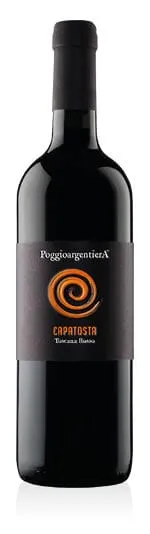
Toscana Rosso IGT Capatosta 2022 Poggio Argentiera
You may also be interested in

Toscana IGT Gigino Ottantesimo Anniversario 2022 Barbanera

Toscana IGT La Lallera 2021 Borgo San Frediano
Toscana IGT Governo all'Uso Toscano Gano 2024 Borgo San Frediano

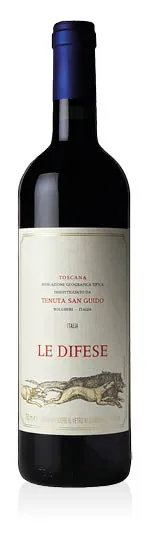
Toscana IGT Le Difese 2024 Tenuta San Guido
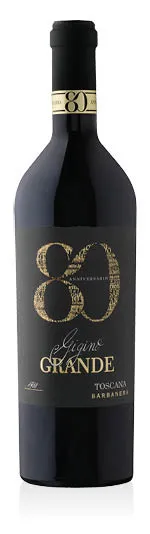
Toscana IGT Gigino Grande 2022 Barbanera