 View all
 Champagne
 Sparkling Wines
 Red Wines
 White Wines
 Rosé Wines
 Alcohol-free
 Bag in box
 Fortified Wines
 Passito Wines
 Cocktails
 Gin
Gin
 Whisky
 Liqueur
 Grappa
 Rum
Rum
 Alcohol-free
 Brandy
 Eau de vie
 Tequila
 Vodka
Vodka
 Blonde
 Amber
Amber
 Dark
Dark
 Red
Red
 Mixology
 Beers
Beers
 Olive Oil
 Vinegar
 Accessories


Product details

Description
What kind of wine is it
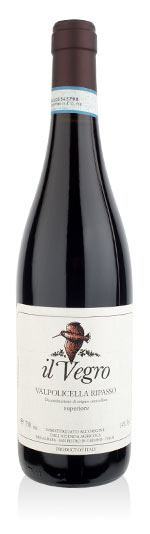
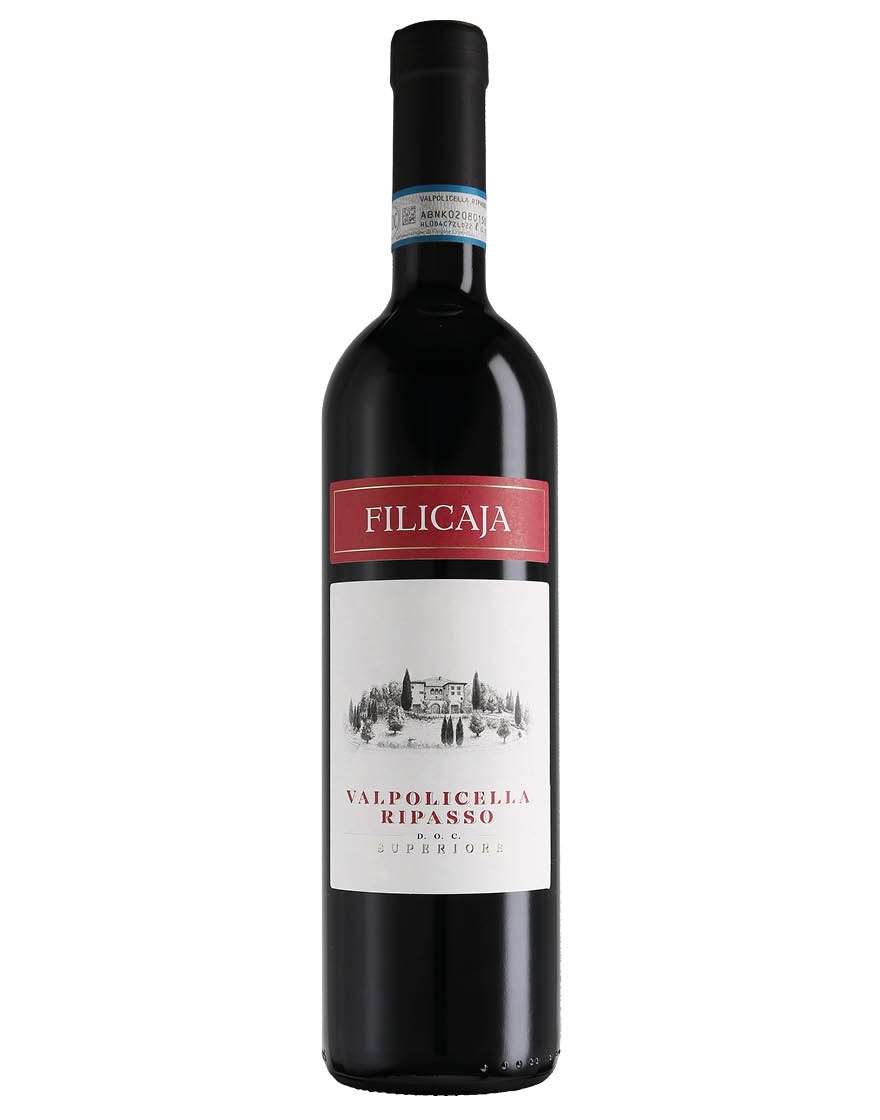
Valpolicella Ripasso Superiore by Villa da Filicaja is a red wine made from a blend of Corvina Veronese, Corvinone, Rondinella, and Croatina. The ripasso technique on Amarone pomace gives it greater structure and a more intense aromatic profile. Maturation in oak barrels and barriques develops depth and complexity, resulting in a balanced and full-bodied style.
Where does it come from
This wine is produced in the hilly area of Valpolicella, north of Verona, where the temperate climate and temperature variations favor grape ripening. The calcareous and clayey soils, rich in minerals and well-drained, are located between 200 and 300 meters above sea level. These conditions impart freshness, mineral notes, and good aging potential.
How is it produced
Manual harvesting takes place in October, selecting the best bunches. The must ferments in steel under controlled temperatures, then is passed over Amarone pomace to extract color, tannins, and aromas. After malolactic fermentation, the wine matures for 12-18 months in oak barrels and barriques, then rests in the bottle for at least six months, supporting its structure and harmony.
Tasting notes
In the glass, it shows an intense garnet red color. On the nose, vinous notes emerge, along with ripe cherry and dark berry fruit, with hints of black pepper and a touch of vanilla from aging. On the palate it is dry and velvety, with smooth tannins and a full body. The finish is persistent, with a pleasant sapidity and a harmonious balance between fruit and wood.
Food pairings
Valpolicella Ripasso Superiore pairs well with game dishes and roasted meats, enhancing the richness of flavors. It complements aged cheeses such as Monte Veronese and accompanies traditional dishes like bigoli all’anatra. Its aromatic complexity also pairs well with polenta taragna and porcini mushrooms, matching the structure of these dishes.
When to serve
Thanks to its structure and well-integrated wood, this wine is enjoyable when young and also has good cellaring potential for several years, developing more complex notes over time. It is best served at 16-18 °C in large glasses to enhance its aromatic profile and depth of flavor.
14 products of Villa da Filicaja View all
14 products of Villa da Filicaja


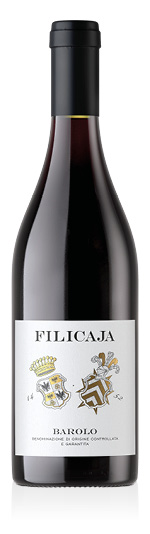
Barolo DOCG 2022 Villa da Filicaja
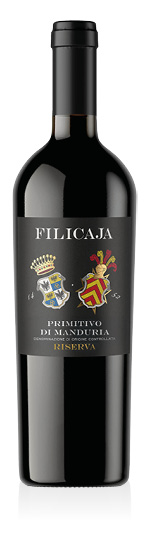
Primitivo di Manduria Riserva DOC Collezione del Conte 2022 Villa da Filicaja


Montefalco Sagrantino DOCG 2019 Villa da Filicaja
You may also be interested in
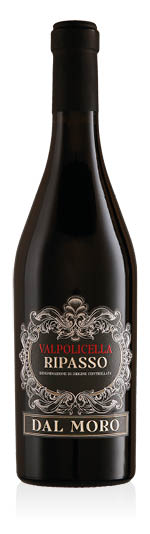
Valpolicella Ripasso DOC 2023 Dal Moro
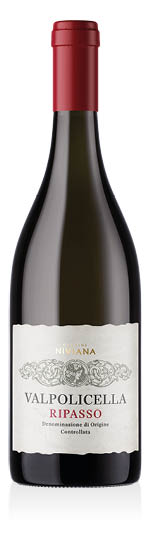
Valpolicella Ripasso DOC 2022 Niviana

Valpolicella Ripasso Superiore DOC Ripassa 2021 Zenato
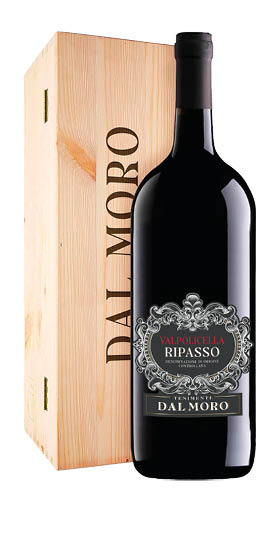
Valpolicella Ripasso DOC 2022 Dal Moro
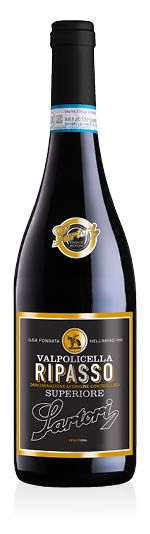
Valpolicella Ripasso Superiore DOC Edizione Vintage 2023 Sartori di Verona