 View all
 Champagne
 Sparkling Wines
 Red Wines
 White Wines
 Rosé Wines
 Alcohol-free
 Bag in box
 Fortified Wines
 Passito Wines
 Cocktails
 Gin
Gin
 Liqueur
 Whisky
 Grappa
 Rum
Rum
 Alcohol-free
 Brandy
 Eau de vie
 Tequila
 Vodka
Vodka
 Mixology
 Beers
Beers
 Olive Oil
 Vinegar
 Accessories


Product details

Description
What type of wine it is
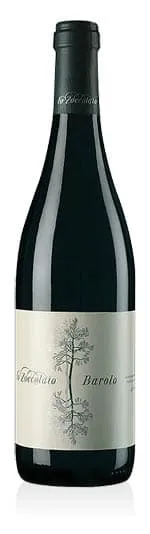
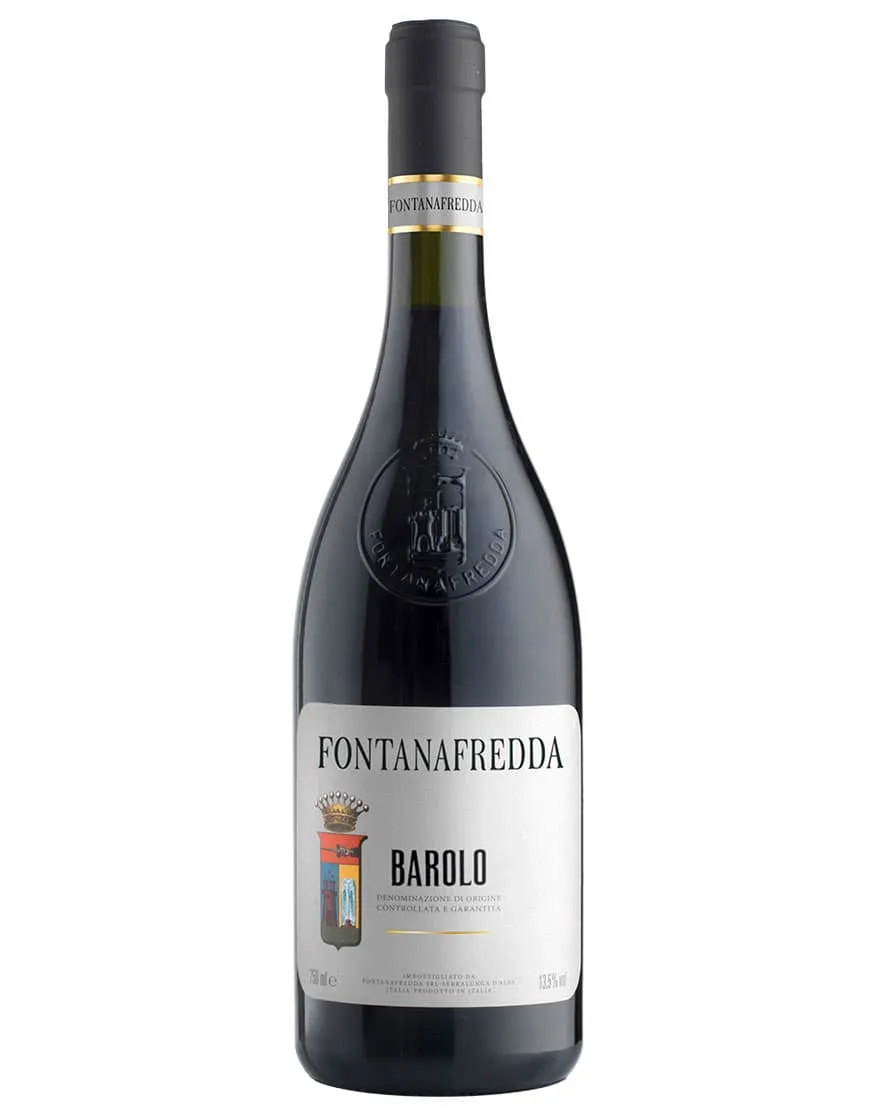
The Barolo from Fontanafredda is a structured red wine made entirely from Nebbiolo grapes. It embodies the estate's most emblematic expression, delivering in every vintage the stern yet elegant character typical of this Piedmontese appellation. Its profile is that of a serious red, conceived for the table and for extended aging. Its tannic frame and aromatic depth define its resolute style.
Where it comes from
The grapes come from Fontanafredda's vineyards, the historic estate in Serralunga d'Alba purchased in the mid-19th century by King Vittorio Emanuele II, in the heart of the Langhe of Piedmont. This longstanding bond with the land has guided the winery's production within the Barolo appellation for generations. The area, ideally suited to the cultivation of Nebbiolo, imparts to the wine the minerality and complexity typical of the great reds of the Langhe.
How it is made
The Nebbiolo grapes are vinified in stainless steel to preserve their aromatic purity. This is followed by maturation in large Slavonian oak casks for a period of at least two years, which softens the tannic structure and encourages the development of tertiary aromas. The wine completes its journey with a further rest in bottle of at least twelve months before release, a step that stabilizes its profile and rounds out its character.
Tasting notes
The color is deep ruby with garnet highlights, a sign of long maturation. On the nose, notes of dried rose, spices, forest floor and a compelling backdrop of licorice emerge, defining its varietal identity. On the palate it is full and rich in structure, yet built on the finesse of a polished tannin, with a balance that marries power and precision.
What to pair it with
It is well suited to substantial dishes, such as a beef tenderloin with porcini mushrooms, able to engage with its tannic structure. To stay with local gastronomic tradition, it pairs effectively with a fondue enriched with truffle shavings. It is also a natural partner for braised red meats and aged cheeses, capable of standing up to its body and length.
When to serve it
Serve at around 18 °C, in large glasses that enhance its aromatic complexity; it is advisable to uncork the bottle well before serving to allow it to breathe. Its tannic structure and long aging make it suitable both for drinking now with hearty dishes and for further cellaring.
36 products of Fontanafredda View all
36 products of Fontanafredda


Alta Langa DOCG Extra Brut Blanc de Blancs 2022 Fontanafredda

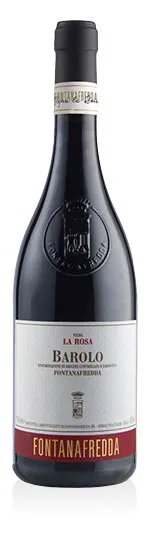
Barolo DOCG Vigna La Rosa 2021 Fontanafredda

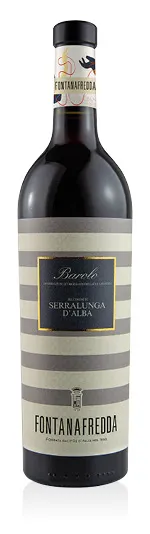
Barolo DOCG Serralunga d'Alba 2022 Fontanafredda
You may also be interested in

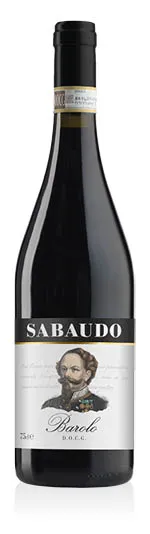
Barolo DOCG 2022 Sabaudo
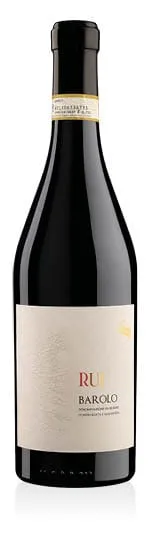
Barolo DOCG Ruj 2022 San Silvestro

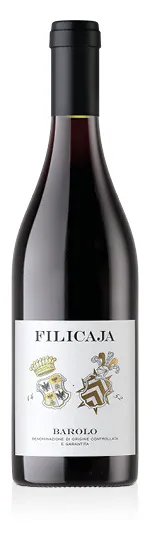
Barolo DOCG 2022 Villa da Filicaja

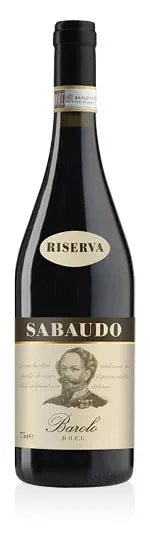
Barolo DOCG Riserva 2019 Sabaudo
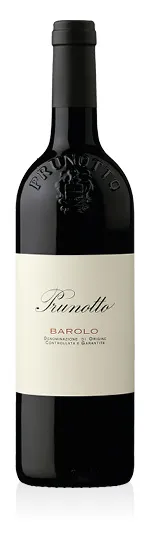
Barolo DOCG 2022 Prunotto