 View all
 Champagne
 Sparkling Wines
 Red Wines
 White Wines
 Rosé Wines
 Alcohol-free
 Bag in box
 Fortified Wines
 Passito Wines
 Cocktails
 Gin
Gin
 Grappa
 Whisky
 Liqueur
 Rum
Rum
 Alcohol-free
 Brandy
 Eau de vie
 Tequila
 Vodka
Vodka
 Blonde
 Red
Red
 Amber
Amber
 Dark
Dark
 Mixology
 Beers
Beers
 Olive Oil
 Vinegar
 Accessories


Product details

Description
What type of wine is it
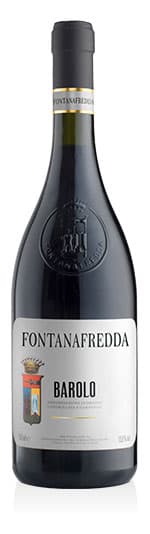
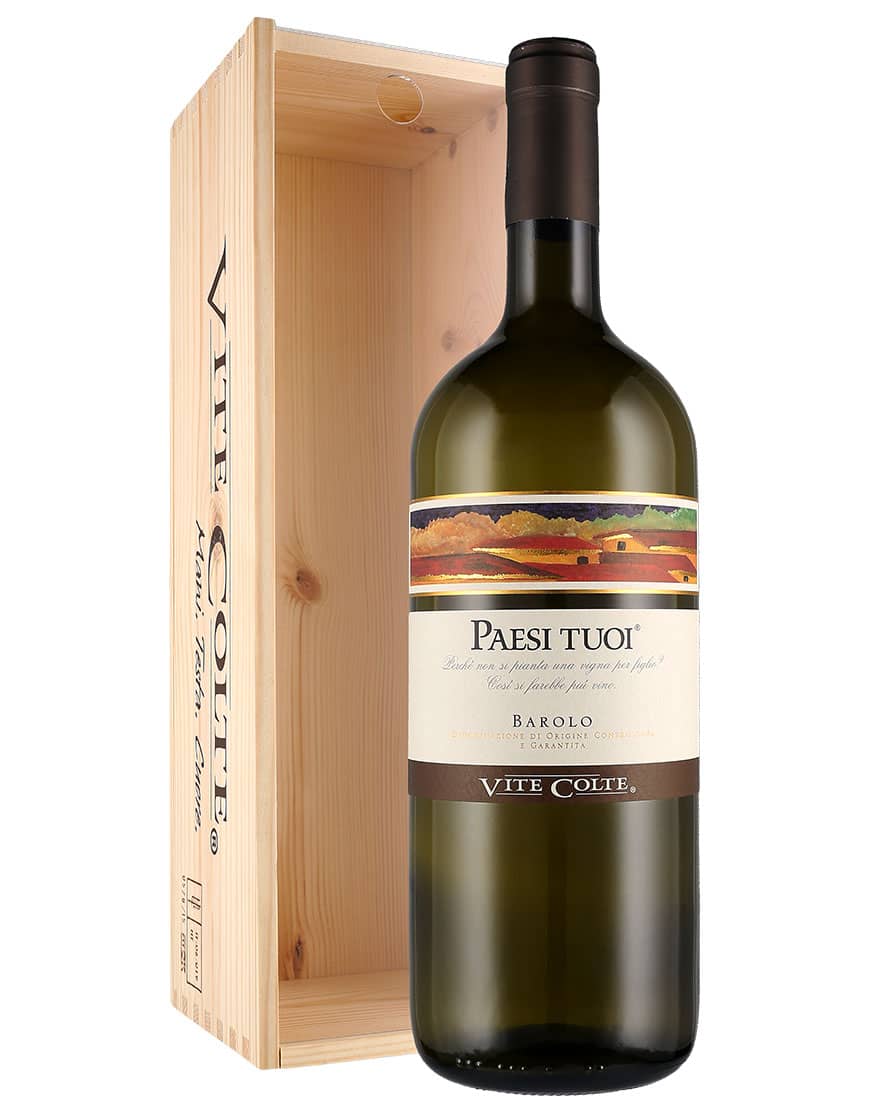
Barolo Paesi Tuoi by Vite Colte is a red wine produced in the Langhe from 100% Nebbiolo grapes. The winemaking process includes temperature-controlled fermentation to extract the tannic structure required for aging. Maturation in large oak barrels and bottle refinement define a dry, savory, and elegant profile.
Where does it come from
It originates in the Langhe, a renowned hilly area of Piedmont closely linked to vine cultivation on slopes and valleys. This specific terroir encourages the creation of structured wines with great precision and remarkable aging potential. The origin from a historically dedicated area enhances the characteristics of the grape variety and delivers an aromatic definition consistent with the classic Barolo expression.
How is it made
The grapes are harvested and entirely selected by hand, followed by temperature-controlled fermentation for about fifteen days. This phase enriches the must with the tannins necessary for a long evolution. The aging takes place in large oak barrels for at least twenty-four months and is completed by an additional bottle rest of one year to achieve stable balance.
Tasting notes
It shows an intense garnet red color, enhanced by orange reflections as it ages. The nose develops a spicy and complex bouquet, where notes of licorice and wilted violet emerge. On the palate, it is pleasantly dry and savory, sustained by harmonious tannins that emphasize its elegant character and guarantee a long-lasting taste.
Food pairings
It naturally accompanies structured dishes such as aged cheeses and mushroom-based preparations. Its firm tannic texture makes it ideal for roasted chicken, braised meats, and recipes with polenta. It is excellent for enhancing robust regional dishes like brasato, and consistently maintains a dry, clean, and well-defined sip throughout the meal.
When to serve it
It is the perfect choice for important lunches and dinners, especially when serving slow-cooked dishes. Careful aging gives it remarkable aging potential, resulting in an elegant evolution in aroma and color over time. When served with due attention in the glass, it fully reveals its gustatory complexity and highlights its solid tannic structure.
21 products of Vite Colte View all
21 products of Vite Colte

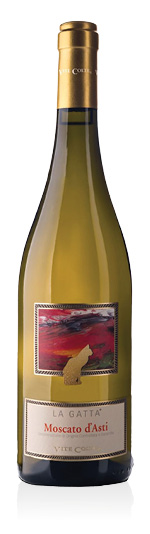
Moscato d'Asti DOCG La Gatta 2025 Vite Colte

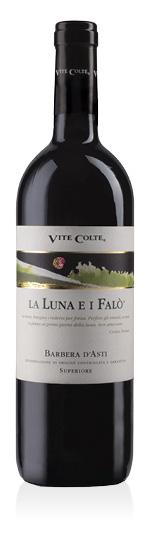
Barbera d'Asti Superiore DOCG La Luna e i Falò 2022 Vite Colte
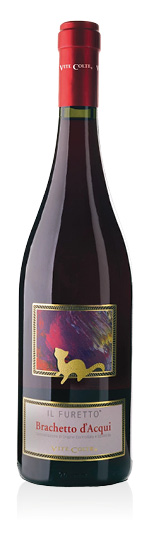
Brachetto d'Acqui DOCG Il Furetto 2025 Vite Colte
You may also be interested in


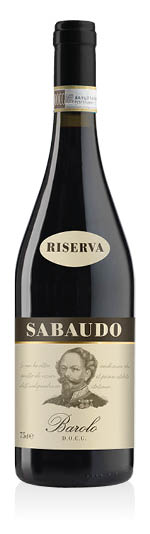
Barolo DOCG Riserva 2019 Sabaudo
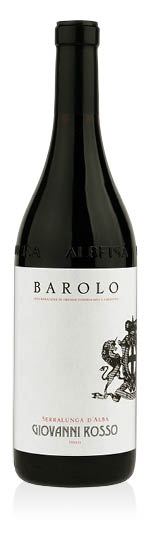
Barolo DOCG 2021 Giovanni Rosso
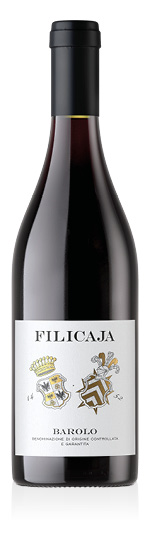
Barolo DOCG 2021 Villa da Filicaja
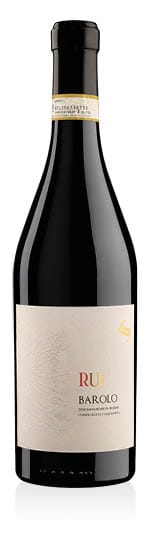
Barolo DOCG Ruj 2021 San Silvestro
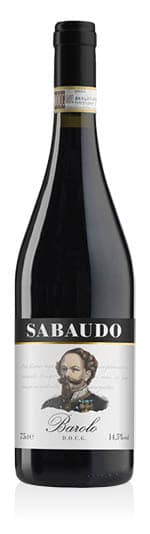
Barolo DOCG 2019 Sabaudo