 View all
 Champagne
 Sparkling Wines
 Red Wines
 White Wines
 Rosé Wines
 Alcohol-free
 Bag in box
 Fortified Wines
 Passito Wines
 Cocktails
 Gin
Gin
 Liqueur
 Whisky
 Grappa
 Rum
Rum
 Alcohol-free
 Brandy
 Eau de vie
 Tequila
 Vodka
Vodka
 Mixology
 Beers
Beers
 Olive Oil
 Vinegar
 Accessories


Product details
 You can also order it by phone by speaking with us.
Description
What kind of wine is it
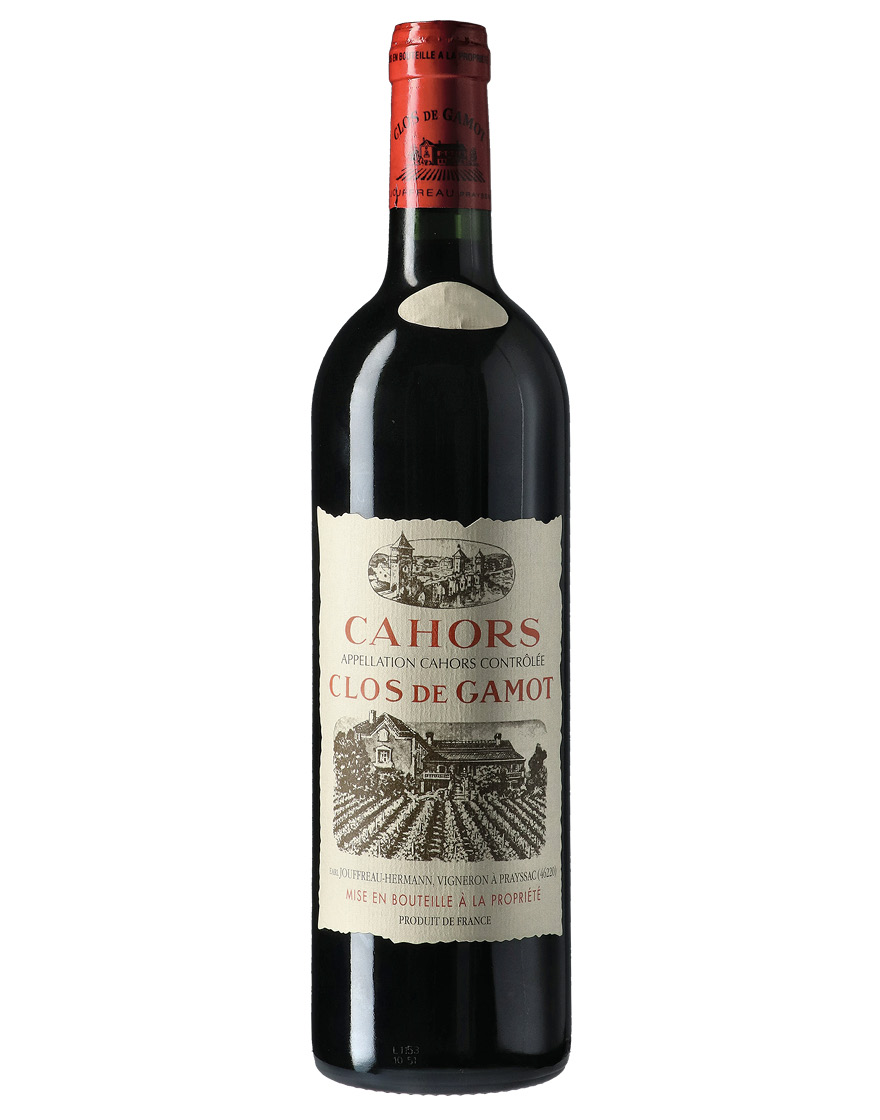
Cahors Malbec Clos de Gamot is a red wine made from Malbec grapes, also known locally as Auxerrois, originating from southern France. As part of the Cahors appellation, it offers a fruit-driven style focused on varietal clarity, supported by a winemaking process that works the grapes separately. Extended maceration is a key technical element, shaping the profile toward intensity and aromatic definition, with essential characteristics presented directly.
Where does it come from
It is produced from vineyards located in the Lot department, in the commune of Prayssac, in southern France, an area tied to Cahors. Here, Malbec is traditionally also called Auxerrois, a detail reflecting the local naming practice. The origin points to a specific territory, with precise information about the department and commune.
How is it made
The Malbec grapes are vinified parcel by parcel, allowing for separate management of different plots within the vineyards. Fermentation takes place in small vats and involves about twenty-one days of maceration, a crucial stage for extracting and defining the wine's profile. No details are provided regarding aging or the containers used after fermentation.
Tasting notes
In the glass it shows an intense ruby red color with violet highlights. On the nose, it presents clear notes of currant and cherry, with a direct and recognizable fruit-forward character. The available information focuses on color and aroma, with no further details on the palate or evolution.
What to pair it with
It pairs well with ribeye steak, especially grilled or seared. It is also suitable with braised game, where the dish’s structure and concentrated flavors find a companion in this red. Overall, the suggested pairings highlight substantial meat entrees and rich preparations.
When to serve it
It is intended for occasions at the table when a wine of good intensity and prominent fruit character is desired, particularly alongside meats like beef and game. There are no recommendations about an ideal drinking window or period, so timing can match the gastronomic occasion. Serving it with a meal enhances the connection between its aromatic profile and food pairing.
You may also be interested in


Etna Rosso DOC 2024 Inessa

Brunello di Montalcino DOCG 2020 Pian del Prete


Montepulciano d'Abruzzo DOC Riserva 2020 Marsicana
Taurasi DOCG 2018 Bosco del Sabato
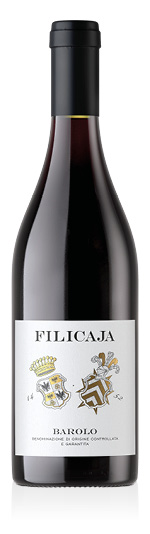
Barolo DOCG 2022 Villa da Filicaja