 View all
 Champagne
 Sparkling Wines
 Red Wines
 White Wines
 Rosé Wines
 Alcohol-free
 Bag in box
 Fortified Wines
 Passito Wines
 Cocktails
 Gin
Gin
 Liqueur
 Whisky
 Rum
Rum
 Grappa
 Alcohol-free
 Brandy
 Eau de vie
 Tequila
 Vodka
Vodka
 Mixology
 Beers
Beers
 Olive Oil
 Vinegar
 Accessories


Product details
Nutrition Declaration
Description
What kind of wine it is
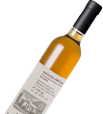
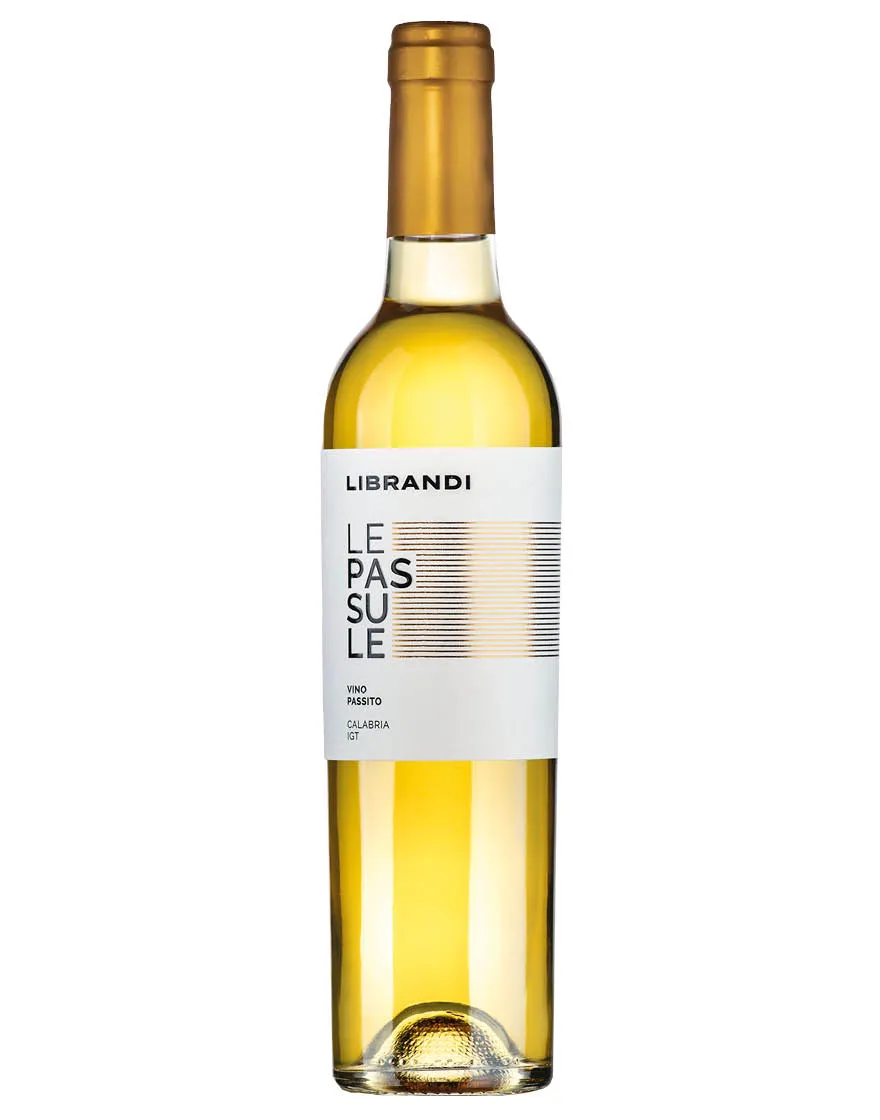
Le Passule by Librandi is a sweet white passito wine made from Mantonico grapes grown in Calabria. Marked by notable aromatic richness, this wine stands out for its soft, enveloping profile, the result of meticulous vinification of the grapes. Its balanced sweetness combines with a long persistence on the palate, offering a structured sip that faithfully reflects the identity of its terroir. The production method and careful maturation lend the glass a pronounced flavor intensity.
Where it comes from
The roots of this passito lie in the dedicated soils of Calabria, specifically in the vineyards of Rocca di Neto and Casabona.
How it is made
Production begins with the hand picking of the clusters during the first ten days of October, followed by a natural drying of about fifteen days to concentrate aromas and sugars. Fermentation takes place at controlled temperature in Allier barriques, a choice that allows for precise management of the process. Maturation continues with ten months’ rest in the same wood, completed by a further six months of bottle ageing before release.
Tasting notes
In the glass it shows a bright amber colour that foreshadows the concentration of this nectar. The nose is clean, unfolding notes of raisins and candied fruit, intertwined with clear hints of caramelized nuts. On the palate it is pleasantly sweet, supported by a caressing texture that fills the mouth and carries the sip to a harmonious finish. The lingering persistence recalls the fruity nuances already perceived on the nose and ensures a harmonious, gratifying taste.
Food pairings
Its structure and aromatic profile make it an ideal companion for dry pastries, thanks to its ability to balance the toasty notes of patisserie. The pairing also extends to aged cheeses, a combination that creates a pleasant contrast between the savouriness of the food and the wine’s softness. To honour the wine’s Calabrian roots, it pairs beautifully with pitta ‘mpigliata, a typical regional dessert rich in nuts and dried fruit that enhances the raisin notes. It is also recommended with desserts based on almonds or dried figs.
When to serve it
It is the perfect glass for after-dinner moments, as it brings balance and intensity to the close of a meal. The characteristics developed during its time in wood and subsequent rest in bottle also make it well suited as a wine for contemplation, to be sipped slowly to appreciate its evolution in the glass. To fully highlight its sweet, persistent texture, it is best served at the end of the evening, ensuring an unhurried tasting with great aromatic breadth.
9 products of Librandi View all
9 products of Librandi

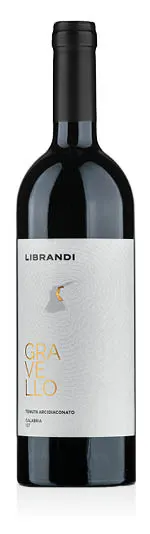
Calabria IGT Rosso Gravello 2024 Librandi
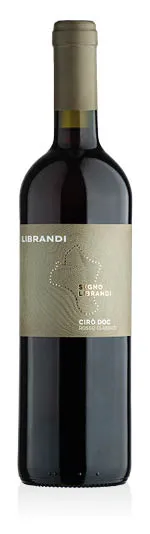
Cirò DOC Rosso Classico Segno 2025 Librandi
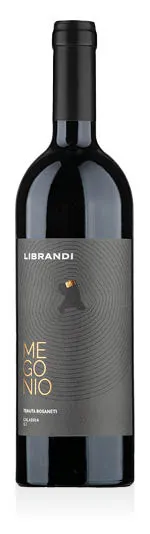
Calabria IGT Rosso Megonio 2024 Librandi
You may also be interested in


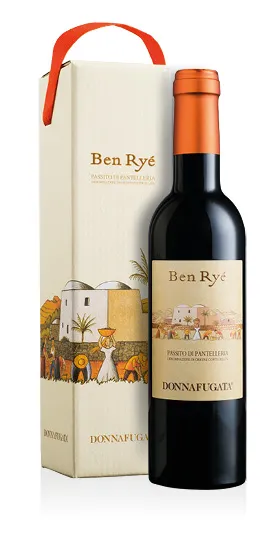
Passito di Pantelleria DOC Ben Rye 2023 Donnafugata

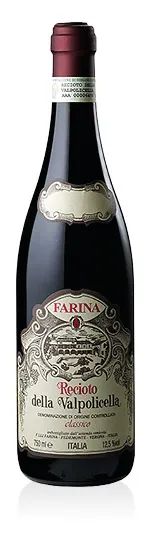
Recioto della Valpolicella DOCG Classico 2025 Farina

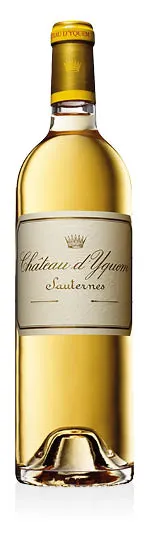
Sauternes AOC 1er Cru Classé Supérieur 2023 Château d'Yquem
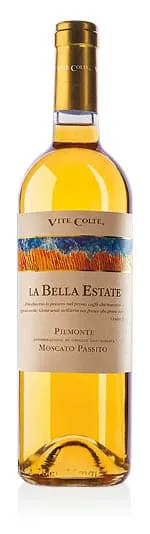
Piemonte DOC Moscato Passito La Bella Estate 2024 Vite Colte
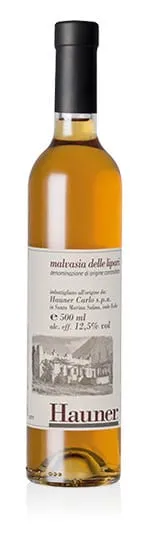
Malvasia delle Lipari Naturale DOC 2024 Hauner