 View all
 Sparkling Wines
 Red Wines
 White Wines
 Rosé Wines
 Alcohol-free
 Fortified Wines
 Bag in box
 Best italian wines
 Passito Wines
 Champagne
 Sparkling Wines
 Red Wines
 White Wines
 Rosé Wines
 Fortified Wines
 Passito Wines
 Mixology
 Olive Oil
 Vinegar
 Accessories


Product details
 You can also order it by phone by speaking with us.

Description
What kind of wine is it
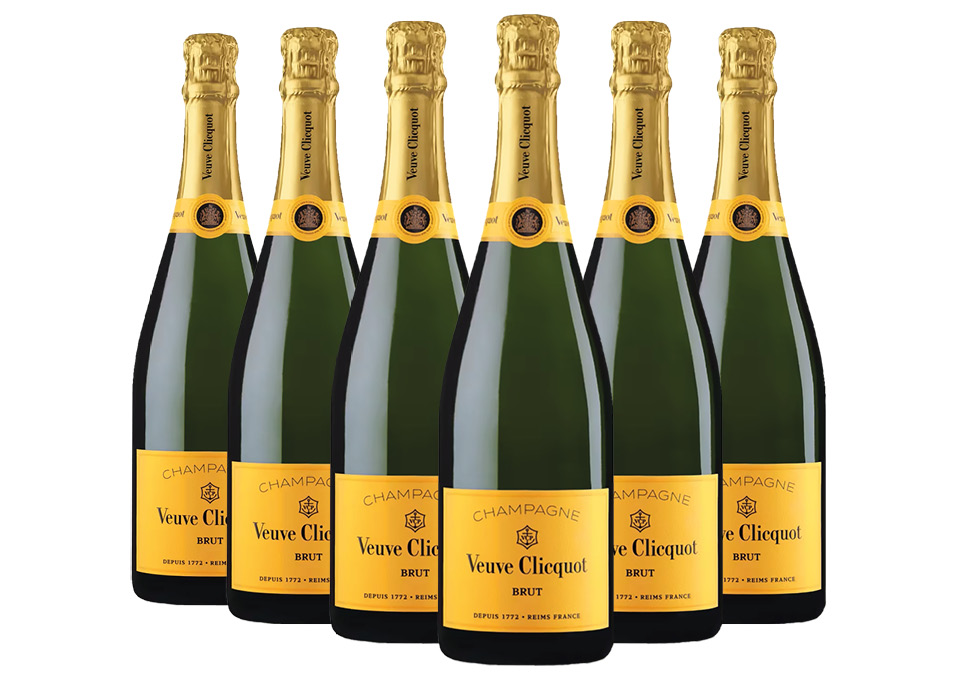
Veuve Clicquot Yellow Label Champagne is crafted using the Traditional Method in Reims, resulting from a blend of Pinot Noir, Pinot Meunier and Chardonnay. The prominence of Pinot Noir gives it a strong structure and a distinctive personality, while the Traditional Method and 36 months of lees ageing ensure a fine and persistent bead. The result is a Champagne with a complex profile, rich in nuances, combining freshness with remarkable aromatic depth.
Where it comes from
This Champagne hails from the Champagne region, between Reims, Épernay and the Montagne de Reims. The chalky and limestone soils, together with a continental climate featuring cool summers and cold winters, promote good acidity and aromatic clarity. The area is historically renowned for high-quality wines, also thanks to the refined techniques of great houses like Veuve Clicquot.
How it is produced
Grapes are hand-harvested from several select crus to ensure stylistic consistency. After gentle pressing, fermentation takes place in stainless steel tanks at controlled temperature to preserve the freshness of the grapes. The blend includes reserve wines from previous vintages to maintain a consistent style. Bottling and secondary fermentation take place in the bottle following the Traditional Method, with a minimum of 36 months of lees ageing before disgorgement and Brut dosage.
Tasting notes
In the glass, it shows a brilliant golden yellow color with amber reflections and a very fine perlage. On the nose, aromas of peach, Mirabelle plum and pear emerge, accompanied by toasted notes of brioche and subtle hints of vanilla. On the palate, it offers balanced structure, lively acidity and a long finish recalling hazelnut and toasted bread, while the complex aromatic combination is expressed with harmony.
Pairings
Yellow Label Champagne pairs well with raw fish, smoked salmon and seafood, highlighting the freshness and savoriness of the ingredients. It is also excellent with aged Parmigiano Reggiano flakes, and particularly interesting with seafood risotto, which enhances its mineral and citrus notes. Its versatility makes it suitable both as an aperitif and with main courses.
When to serve it
Recommended to be enjoyed young to appreciate its freshness and vibrancy, it can retain its qualities for up to four years thanks to lees ageing. Serve at 6-8 °C in flute or tulip glasses to enhance perlage and aromas, offering a complete sensory experience both for informal occasions and special moments.
11 products of Veuve Clicquot View all
11 products of Veuve Clicquot


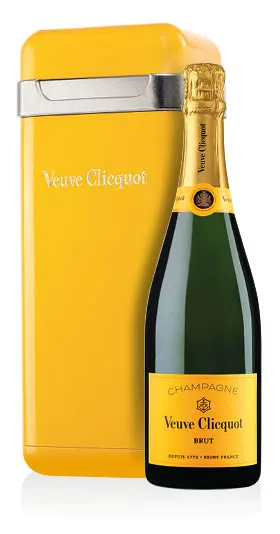
Champagne AOC Brut Yellow Label Veuve Clicquot
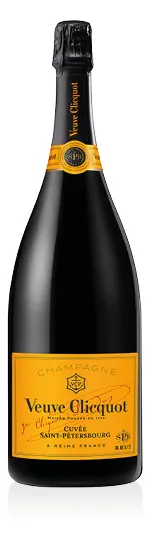
Champagne AOC Brut Cuvée Saint-Pétersbourg Veuve Clicquot
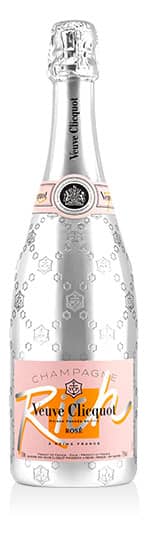
Champagne Doux Rosé AOC RICH on Ice Veuve Clicquot
You may also be interested in

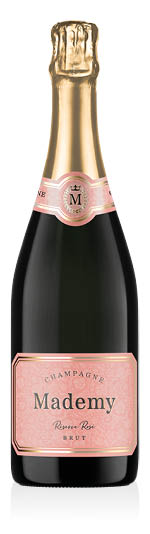
Champagne AOC Rosé Brut Grande Réserve Mademy

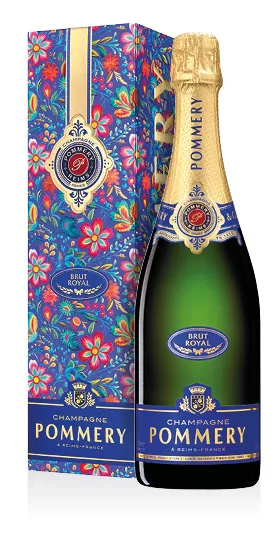
Champagne AOC Brut Royal Pommery
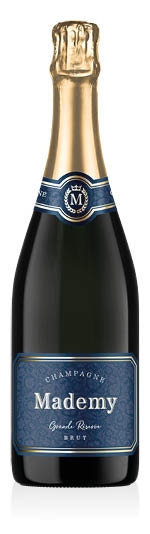
Champagne AOC Brut Grande Réserve Mademy

Champagne AOC Grand Cru Ambonnay Brut Rosé Cuvée 2 Secondé Simon Laurier
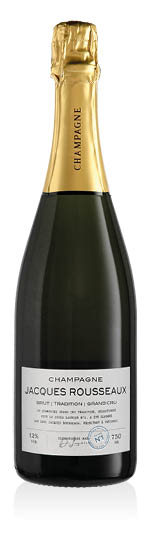
Champagne AOC Grand Cru Brut Cuvée 1 Tradition Jacques Rousseaux Laurier