 View all
 Champagne
 Sparkling Wines
 Red Wines
 White Wines
 Rosé Wines
 Alcohol-free
 Bag in box
 Fortified Wines
 Passito Wines
 Cocktails
 Gin
Gin
 Liqueur
 Whisky
 Grappa
 Rum
Rum
 Alcohol-free
 Brandy
 Eau de vie
 Tequila
 Vodka
Vodka
 Mixology
 Beers
Beers
 Olive Oil
 Vinegar
 Accessories


Product details
Description
What kind of wine it is
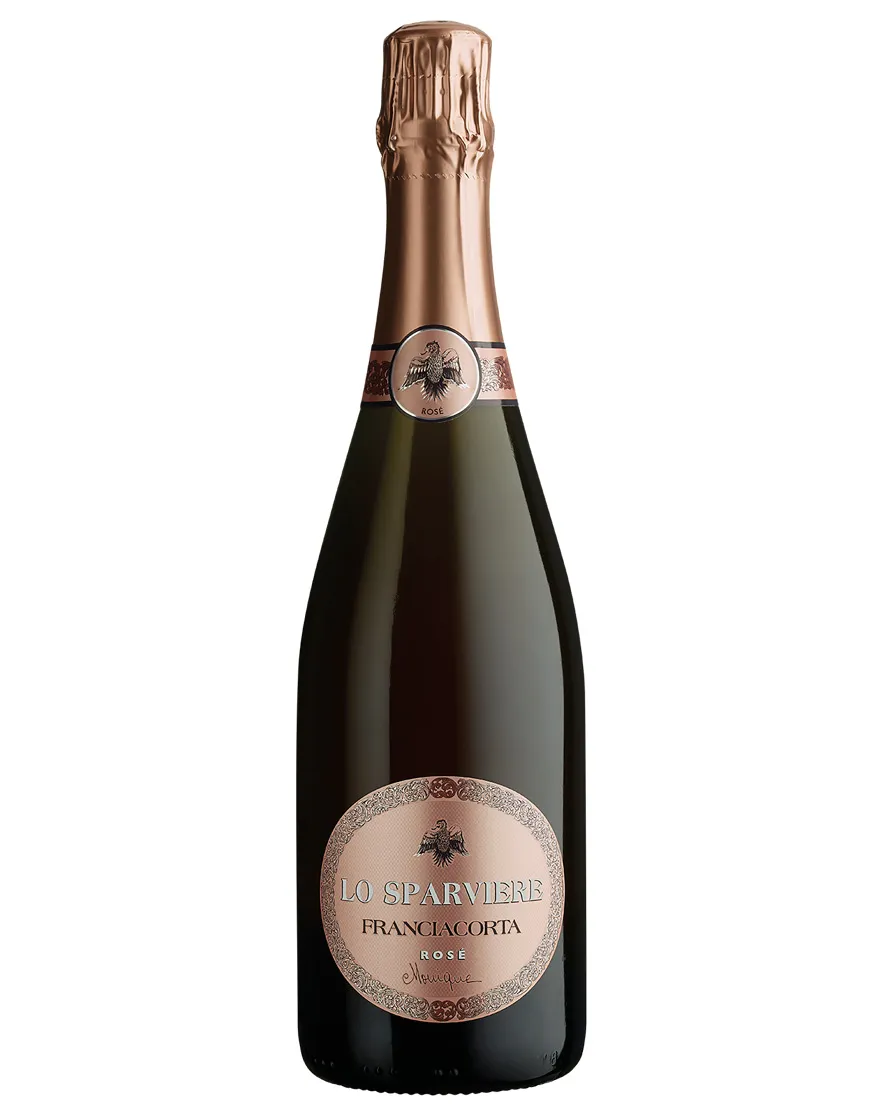
Franciacorta Rosé Monique by Lo Sparviere is made exclusively from Pinot Noir grapes, a refined expression of the denomination. This wine stands out for its elegant and savoury profile, the result of a production process curated in every detail. Vinification is carried out strictly according to the Traditional Method, with the prise de mousse defining the structure and the finesse of the perlage.
Where it comes from
The grapes are sourced from the municipality of Provaglio d’Iseo, in a hilly area located 250 meters above sea level in the heart of Franciacorta. The vineyards are rooted in soils composed of marls with the presence of silt and red clay, elements that give the wine its character. The southeast exposure ensures optimal phenolic ripeness, essential for balance between freshness and aromatic complexity.
How it is produced
After harvest, the bunches undergo an initial cooling followed by a short maceration on the skins to extract color and aromas. Fermentation takes place partly in steel and partly in barrels, containers where malolactic fermentation also occurs. The wine then ages for 24 months on the lees to acquire depth and structure.
Tasting notes
In the glass, the wine shows a salmon pink color enriched with slight coppery highlights. The nose is clean and straightforward, characterized by notes of rose water and hints of small red fruits. On the palate, a well-defined savoury texture stands out, accompanied by balanced acidity that supports a long and persistent finish.
Food pairings
Thanks to its structure and freshness, this Rosé pairs perfectly with charcuterie boards and tasty first courses like mushroom risotto or pasta with ragù. It is also suitable for accompanying red meat main courses, where its acidic component balances the succulence of the dish. The versatility of the wine allows pairings that highlight gustatory balance.
When to serve it
It is the ideal choice to accompany a full meal, from starters to main courses, especially in convivial settings that call for a technically-driven wine. It shows best when the cuisine alternates between richness and savouriness, and offers a drink focused on elegance and clarity. Aging on the lees guarantees aromatic continuity, making it suitable for both formal and informal occasions.
2 products of Lo Sparviere View all
2 products of Lo Sparviere


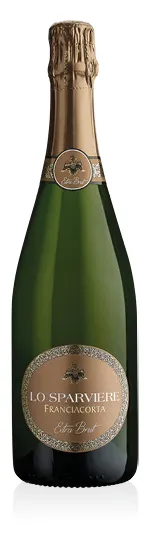
Franciacorta DOCG Extra Brut Lo Sparviere

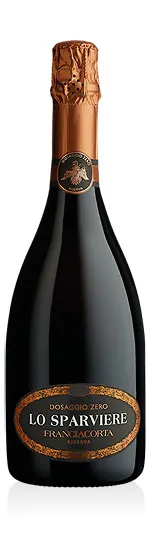
Franciacorta DOCG Dosaggio Zero Riserva Lo Sparviere
You may also be interested in


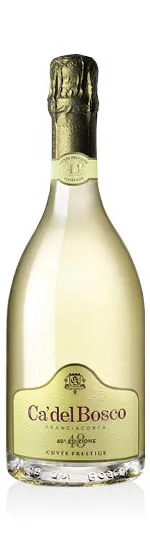
Franciacorta DOCG Extra Brut Cuvée Prestige Edizione 48 Ca' del Bosco
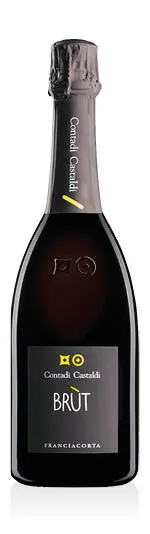
Franciacorta DOCG Brut Contadi Castaldi
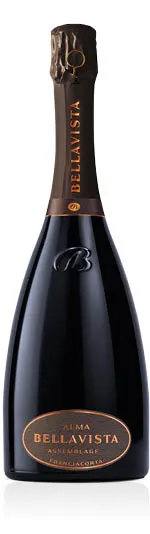
Franciacorta DOCG Extra Brut Alma Assemblage 2 Bellavista

Franciacorta DOCG Brut Ca' del Diavolo
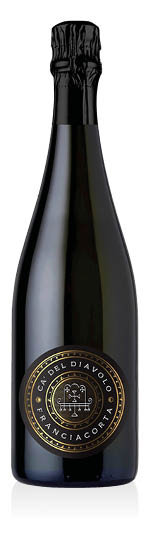
Franciacorta DOCG Brut Satèn Ca' del Diavolo