 View all
 Champagne
 Sparkling Wines
 Red Wines
 White Wines
 Rosé Wines
 Alcohol-free
 Bag in box
 Fortified Wines
 Passito Wines
 Cocktails
 Gin
Gin
 Liqueur
 Whisky
 Grappa
 Rum
Rum
 Alcohol-free
 Brandy
 Eau de vie
 Tequila
 Vodka
Vodka
 Mixology
 Beers
Beers
 Olive Oil
 Vinegar
 Accessories


Product details
Description
What kind of wine it is
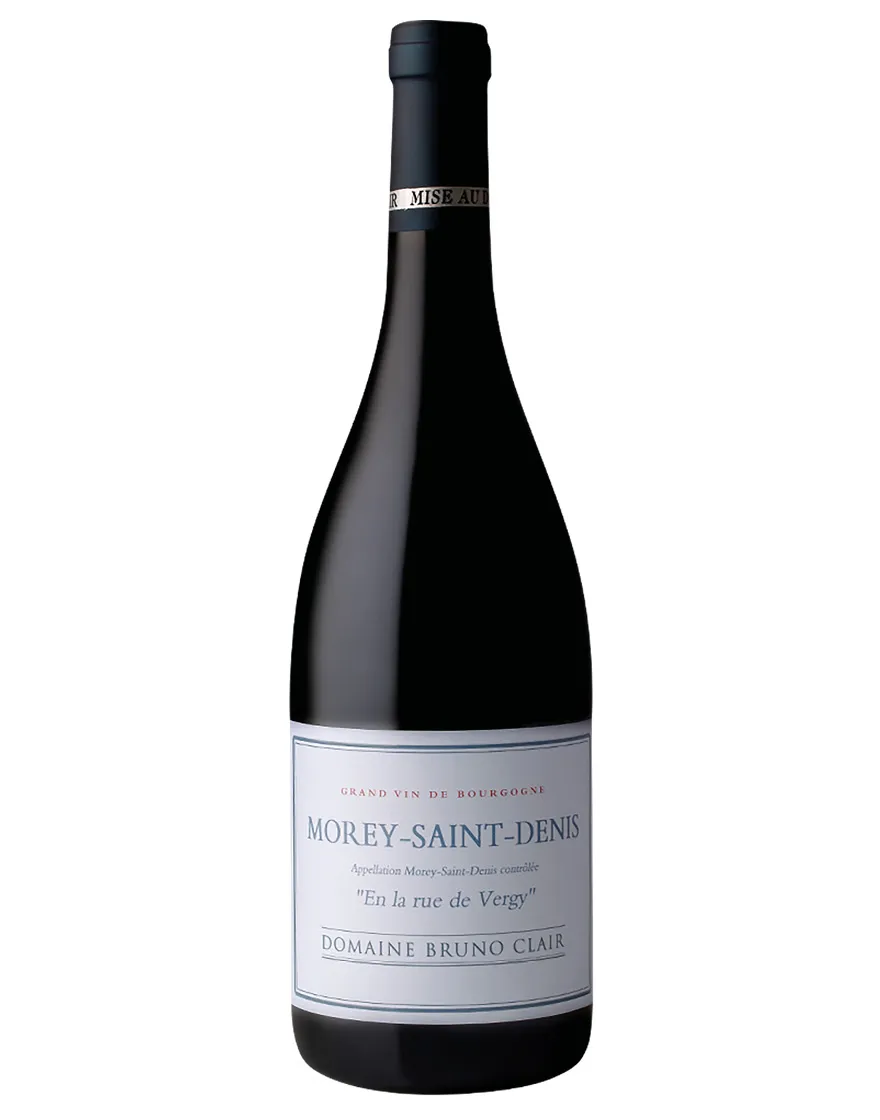
Morey-Saint-Denis En la Rue de Vergy by Domaine Bruno Clair is a red Burgundy wine made from Pinot Noir sourced from hillside plots in the commune of Morey-Saint-Denis, in the Côte de Nuits. It displays a full and precise style, with structure and complexity supported by fine tannins and a well-defined freshness. Vinification in wood with partial use of whole clusters and prolonged aging in oak contribute to an elegant profile suitable for evolution.
Where it comes from
Produced in France, in Burgundy, within the Côte-d'Or, under the Morey-Saint-Denis appellation. The climat En la Rue de Vergy features limestone soils with a subsoil rich in white oolites, a combination that favors the ripening of Pinot Noir and supports its definition. The hillside plots offer a clear expression, consistent with the Côte de Nuits identity.
How it is produced
Fermentation occurs in wood for about 10–15 days, with partial use of whole bunches to enhance precision and complexity. After racking, the wine is aged for 18–20 months in oak barrels, some of which are new, to integrate the wood contribution without overwhelming the Pinot Noir profile and to stabilize the structural texture.
Tasting notes
Intense ruby red in appearance. The nose opens with red and black fruits, with hints of cherry, raspberry, and blackberry, and light nuances of sweet spices and fine woods. On the palate it is powerful and complex, with a full entry, dense yet well-integrated tannins, and a freshness that keeps the sip vibrant. The finish is persistent and clean, with fruity returns.
Food pairings
Naturally pairs with game dishes and grilled red meats. The structure and the grain of the tannins complement the succulence of the dishes, while the fruity profile of Pinot Noir remains perceptible even alongside bold cooking and smoky notes.
When to serve it
Recommended when a red of definition and consistency at the table is desired, capable of supporting structured courses. Serve it around 16–18 °C, allowing it to gradually oxygenate in the glass. When young, a short decanting can be beneficial. The aging in oak and its structure suggest a good capacity for evolution in the bottle.
11 products of Domaine Bruno Clair View all
11 products of Domaine Bruno Clair


Bonnes-Mares AOC Grand Cru 2021 Domaine Bruno Clair
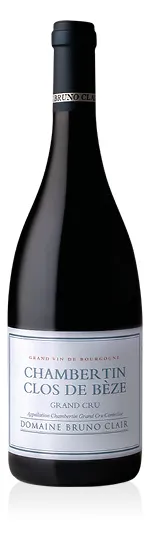
Chambertin AOC Grand Cru Clos de Bèze 2021 Domaine Bruno Clair

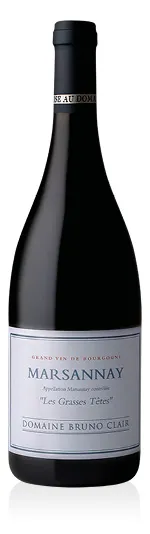
Marsannay AOC Les Grasses Têtes 2023 Domaine Bruno Clair
You may also be interested in

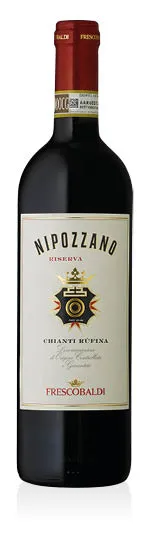
Chianti Rufina Riserva DOCG Nipozzano 2023 Frescobaldi

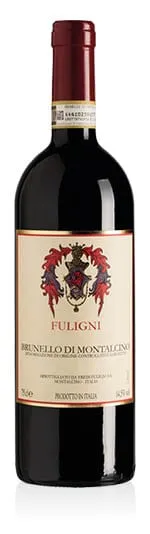
Brunello di Montalcino DOCG 2021 Fuligni
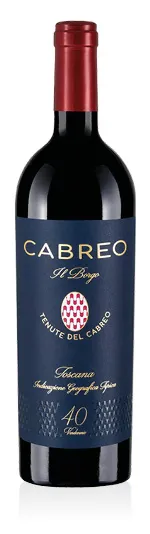
Toscana IGT Cabreo Il Borgo 2022 Ambrogio e Giovanni Folonari
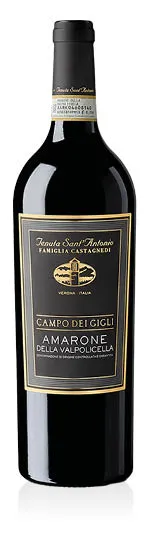
Amarone della Valpolicella DOCG Campo dei Gigli 2018 Tenuta Sant'Antonio
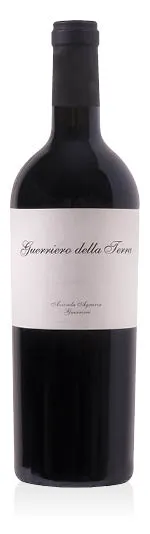
Marche IGT Rosso Guerriero della Terra 2023 Guerrieri