 View all
 Champagne
 Sparkling Wines
 Red Wines
 White Wines
 Rosé Wines
 Alcohol-free
 Bag in box
 Fortified Wines
 Passito Wines
 Cocktails
 Gin
Gin
 Liqueur
 Whisky
 Rum
Rum
 Grappa
 Alcohol-free
 Brandy
 Eau de vie
 Tequila
 Vodka
Vodka
 Blonde
 Red
Red
 Amber
Amber
 Dark
Dark
 Mixology
 Beers
Beers
 Olive Oil
 Vinegar
 Accessories


Product details
Description
What kind of wine it is
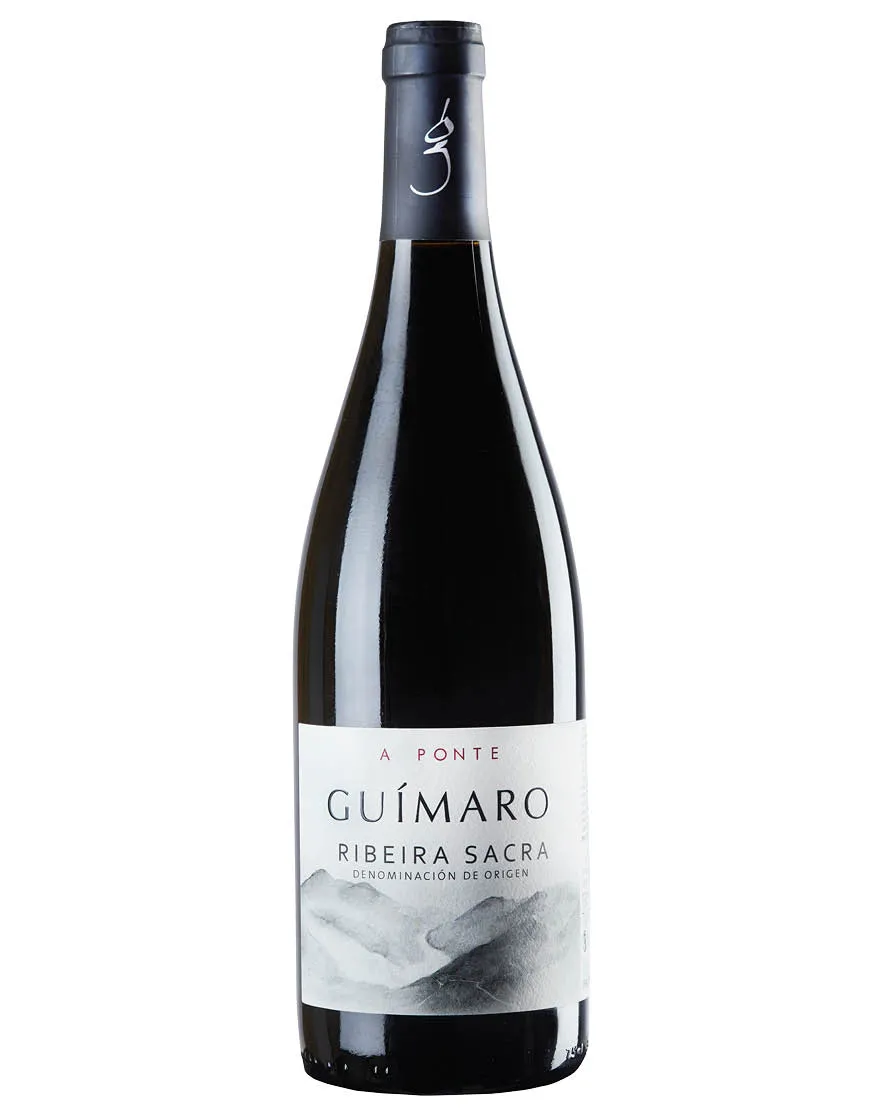
Guímaro A Ponte by Guímaro is a red wine from Ribeira Sacra, in Galicia, made from a blend of Mencía, Caiño, Sousón, Brancellao, and Merenzao. It stands out for its complex structure and medium-full body, with a fine and well-integrated tannic texture. The aging takes place in used French oak barrels and large wooden vats, a choice that brings balance and a profile suited for ageing over time.
Where it comes from
The grapes come from vineyards on the steep terraces of Ribeira Sacra, between 420 and 550 meters above sea level. The soils include slate, iron, quartz, and mica, elements that enhance the mineral sensation. The southwest exposure and the cool climate with significant temperature variation promote slow ripening, preserving acidity and aromas. The landscape follows the course of the Sil River and a long local winemaking tradition.
How it's made
The grapes are harvested by hand in crates, then fermentation with whole clusters takes place in closed conical vats for about 50 days. After gentle pressing, the wine rests for six months in large wooden vats and then 12-13 months in 500-liter French barrels, where malolactic fermentation occurs. Bottling is performed without clarification or filtration, preserving the integrity of the aromatic profile.
Tasting notes
It presents a ruby red color with violet reflections. The nose offers ripe red fruits, cherry, and plum, with aromatic herbs, black pepper, and light toasted notes. On the palate it shows freshness, silky tannins, and a rounded body, with a persistent finish recalling fruit and spices, offering depth and harmony.
Food pairing
Guímaro A Ponte pairs well with roast red meats, braised and stewed dishes, as well as semi-hard aged cheeses. It is also excellent with Galician specialties such as meat or fish empanada, and with national recipes like Piedmontese beef stew. The smooth tannins and fruity notes enhance richly flavored and spicy dishes.
When to serve it
This wine offers ageing potential of up to six years, thanks to its structure and balanced acidity. It is best served between 16 and 18 °C to highlight aromas and tannins. When young it shows vibrancy and freshness, while with a few years of aging it develops earthy and spicy nuances and maintains complexity and quality over time.
7 products of Adegas Guímaro View all
7 products of Adegas Guímaro


Ribeira Sacra DO Finca Capeliños 2023 Adegas Guímaro
Ribeira Sacra DO Cepas Viejas 2024 Adegas Guímaro
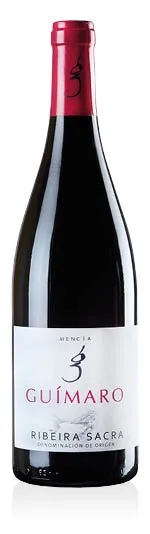
Ribeira Sacra DO Mencía 2024 Adegas Guímaro
You may also be interested in


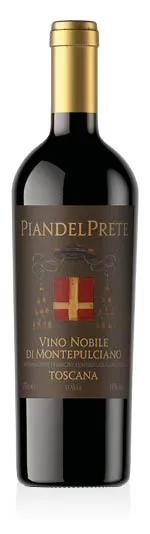
Vino Nobile di Montepulciano DOCG 2022 Pian del Prete
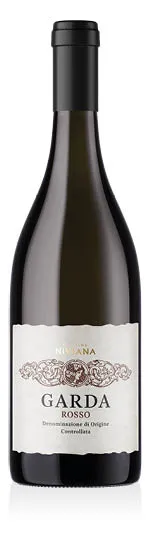
Garda DOC Rosso 2025 Niviana

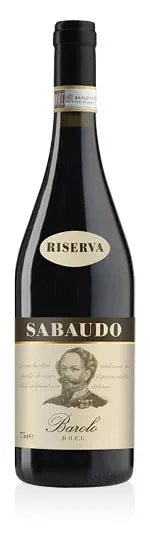
Barolo DOCG Riserva 2019 Sabaudo
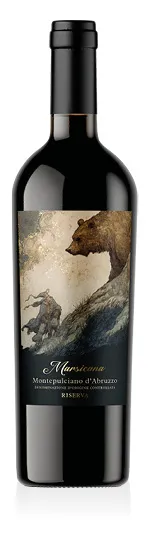
Montepulciano d'Abruzzo DOC Riserva 2020 Marsicana
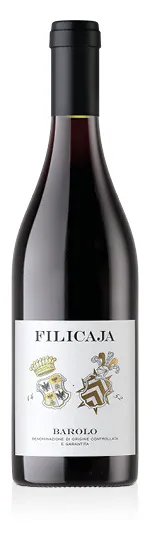
Barolo DOCG 2022 Villa da Filicaja