 View all
 Champagne
 Sparkling Wines
 Red Wines
 White Wines
 Rosé Wines
 Alcohol-free
 Bag in box
 Fortified Wines
 Passito Wines
 Cocktails
 Gin
Gin
 Liqueur
 Whisky
 Grappa
 Rum
Rum
 Alcohol-free
 Brandy
 Eau de vie
 Tequila
 Vodka
Vodka
 Mixology
 Beers
Beers
 Olive Oil
 Vinegar
 Accessories


Product details

Description
What kind of wine is it
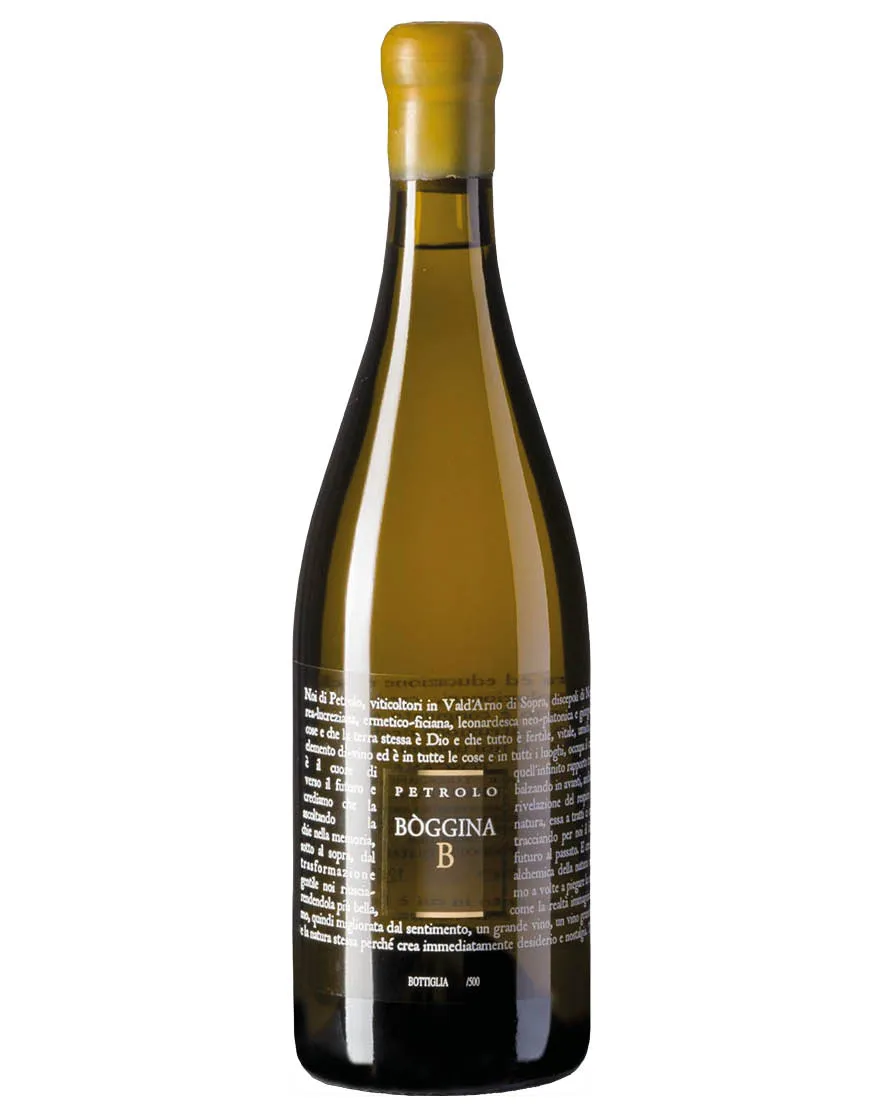
Bòggina B by Petrolo is a white wine from Tuscany, made exclusively from Trebbiano grapes grown in the Val d’Arno di Sopra area in the province of Arezzo. It is vinified in barrique with indigenous yeasts and aged on the lees for over 15 months in French tonneaux, resulting in a soft, rounded profile marked by a strong mineral character and a long finish. This is a structured white, shaped by its time in wood and lengthy lees contact.
Where does it come from
It comes from vineyards in the Val d’Arno di Sopra, the inland part of Tuscany encompassing the province of Arezzo. This regional origin, displayed on the label as Tuscany, frames a style where fruit ripeness merges with a distinctly perceptible mineral tension in the tasting. The use of indigenous yeasts during fermentation reinforces the wine’s unique character.
How is it made
The Trebbiano grapes are hand-picked and selected. Vinification occurs in barrique with fermentation driven by indigenous yeasts, followed by more than 15 months of lees aging in French tonneaux. This process combines prolonged contact with fine lees and barrel maturation, giving the wine a richer texture and aromatic notes reminiscent of aging.
Tasting notes
In the glass, it shows a straw yellow color with golden highlights. The nose reveals intense sensations of flowers and ripe fruit, with hints of Golden apple and plum, complemented by notes of hay and vanilla linked to the wood aging. The palate is soft and rounded, underscored by a clear mineral note that drives the flavor progression and leads to a long, consistent finish.
Food pairing
It shines when paired with flavorful fish dishes, where its structure and minerality stand up to rich, well-seasoned preparations. The wine is especially recommended with seafood risotto, seafood paella, and Spaghetti alla Corsara, dishes in which each sip complements the complexity of marine components and spices.
When to serve it
It is ideal when you’re looking for a structured white, marked by oak influence and extended lees contact, designed for the table and particularly suited for boldly flavored fish courses. Its roundness, clear mineral note and persistence make it a pleasant choice for lunches and dinners where harmony between food and wine is desired.
6 products of Petrolo View all
6 products of Petrolo


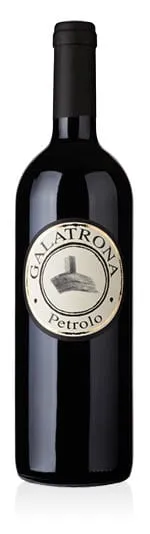
Valdarno di Sopra DOC Galatrona 2023 Petrolo
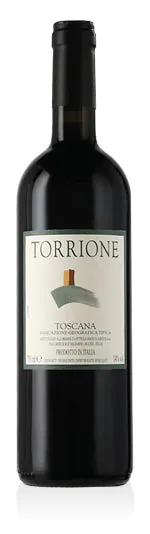
Toscana IGT Torrione 2023 Petrolo
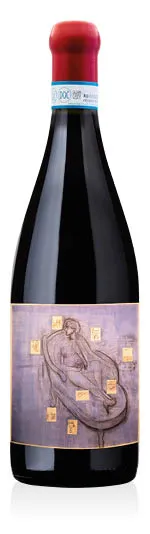
Valdarno di Sopra Riserva DOC Bòggina C 2021 Petrolo
You may also be interested in


Toscana IGT Casamatta Bianco Isola del Giglio 2025 Bibi Graetz

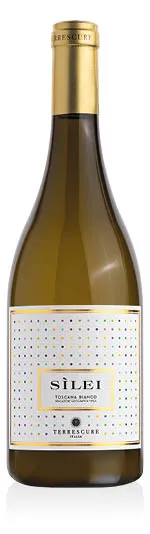
Toscana IGT Bianco SìLei 2025 Terrescure
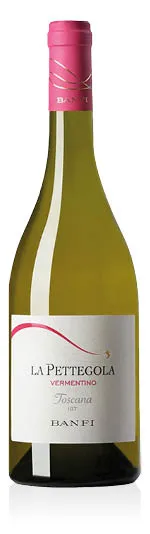
Toscana IGT Vermentino La Pettegola 2025 Banfi
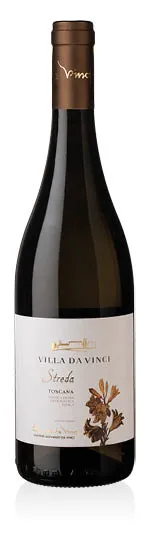
Toscana IGT Vermentino Streda 2024 Leonardo da Vinci
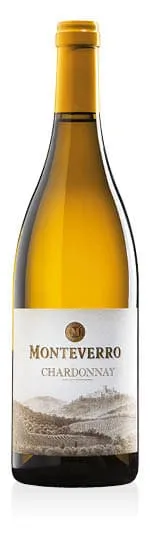
Toscana IGT Chardonnay 2023 Monteverro