 View all
 Champagne
 Sparkling Wines
 Red Wines
 White Wines
 Rosé Wines
 Alcohol-free
 Bag in box
 Fortified Wines
 Passito Wines
 Cocktails
 Gin
Gin
 Liqueur
 Whisky
 Rum
Rum
 Grappa
 Alcohol-free
 Brandy
 Eau de vie
 Tequila
 Vodka
Vodka
 Mixology
 Beers
Beers
 Olive Oil
 Vinegar
 Accessories


Product details

Description
What kind of wine is it
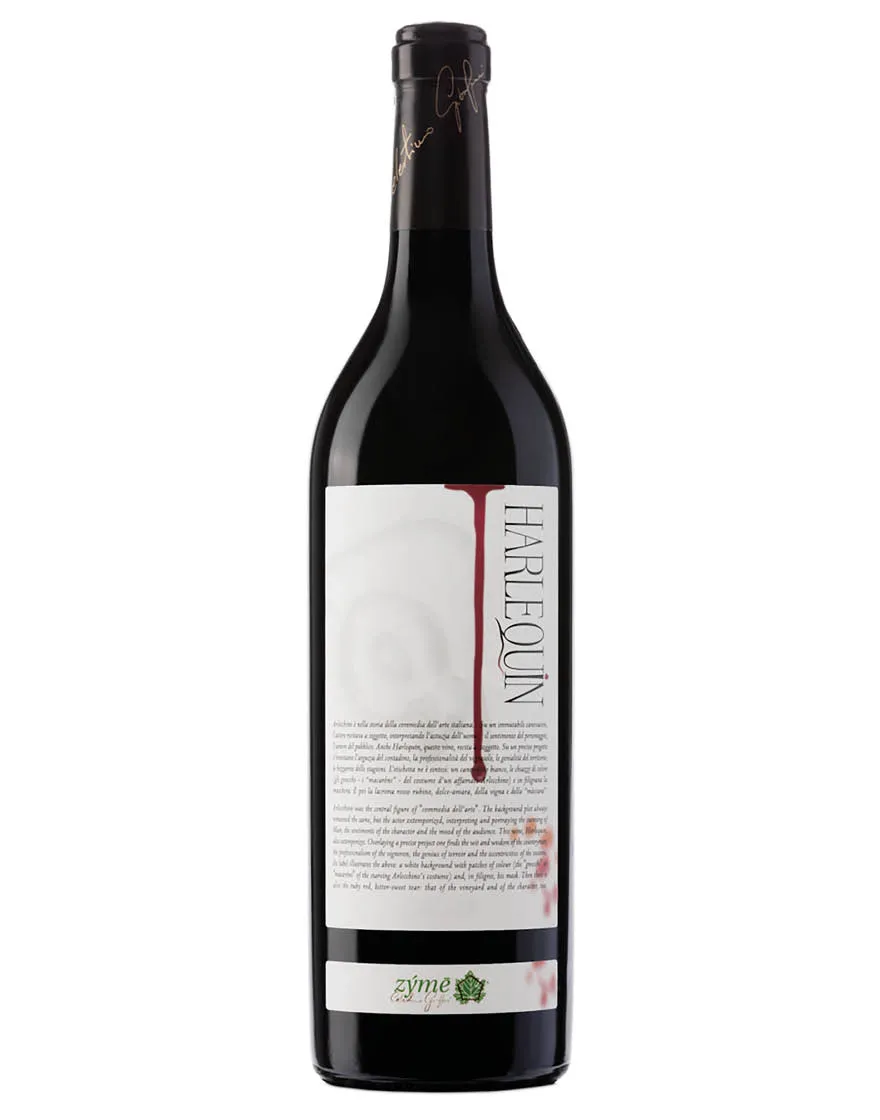
Harlequin produced by Zýmē is an intricate Venetian red wine, created from a blend of fifteen different grape varieties. Its composition combines white grape varieties—including Garganega, Trebbiano Toscano, Sauvignon Blanc, and Chardonnay—with red ones such as Corvina, Corvinone, Rondinella, Cabernet Sauvignon, Cabernet Franc, Merlot, Syraz, Teroldego, Croatina, Oseleta, Sangiovese, and Marzemino. The label alludes to the mask, the tear on the face, and tomato stains on the costume of Harlequin, all hinting at a multifaceted character. The resulting flavor profile is enveloping and complex.
Where it comes from
This red wine comes to life in estate vineyards located in the heart of the Veneto region, exactly between the provinces of Verona and Vicenza. Direct management of the parcels enables careful supervision of vine development and strict control over grape quality. The broad varietal selection expresses itself best thanks to a naturally suited terroir, which allows for a harmonious coexistence of very different grape identities. The origin underlines a winemaking project whose unwavering foundation is the multiplicity of its grapes.
How it is produced
Production begins with careful manual harvesting, followed by a period in which selected bunches rest in plateaux within a natural environment for up to forty days. Afterwards, fermentation starts in cement vats using indigenous yeasts and lasts about thirty days. The winemaking process ends with an extensive maturation phase, during which the wine ages for thirty months in new French oak barriques to define its stability.
Tasting notes
In the glass, it reveals a vivid, brilliant ruby red color that gains elegant garnet highlights as it evolves in the bottle. The bouquet opens with an expansive array dominated by ripe fruit, enriched by floral notes and clear mineral hints. On the palate, the sip is structured and offers a deep tasting experience that fully reflects the richness of the vineyard heritage and its harmonious integration with the wood ageing.
Pairings
At the table, it reliably accompanies main courses of white or red meats, enhancing robust dishes such as classic roasts. Its solid gustatory structure precisely balances the saltiness and aromatic intensity of aged and mature cheeses. Its lingering finish also makes it ideal for enjoying on its own, serving as a meditative wine to appreciate its natural depth at the end of a meal.
When to serve
It is the recommended choice for accompanying structured lunches and dinners, where dishes require a wine with comparable intensity and persistence. Given its characteristics and complex production, it is well suited to slow tastings, benefiting from being served so it has the necessary time to breathe in the glass. The wine constantly evolves in contact with air and offers lasting pleasure to elegantly accompany the entire evening.
5 products of Zýmé View all
5 products of Zýmé


Veneto IGT Cabernet 60 20 20 2021 Zýmé


Amarone della Valpolicella Classico DOP 2018 Zýmé
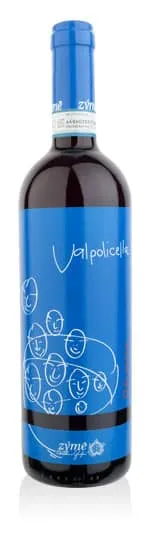
Valpolicella DOP Rêverie 2024 Zýmé
You may also be interested in

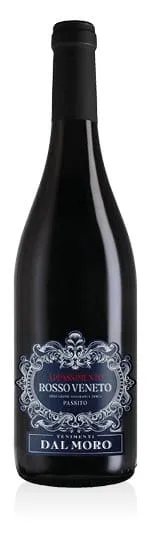
Veneto IGT Rosso Appassimento 2022 Dal Moro
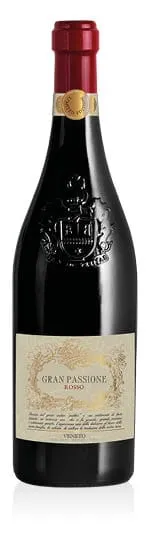
Veneto IGT Rosso Gran Passione 2025 Botter
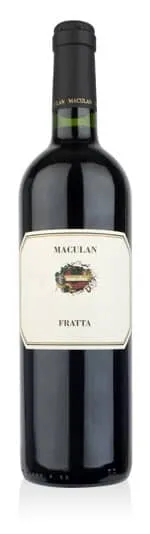
Veneto IGT Rosso Cabernet Sauvignon Merlot Fratta 2019 Maculan
Breganze DOC Cabernet Sauvignon Palazzotto 2021 Maculan
Veneto IGT Merlot Crosara 2018 Maculan