 View all
 Champagne
 Sparkling Wines
 Red Wines
 White Wines
 Rosé Wines
 Alcohol-free
 Bag in box
 Fortified Wines
 Passito Wines
 Cocktails
 Gin
Gin
 Liqueur
 Whisky
 Rum
Rum
 Grappa
 Alcohol-free
 Brandy
 Eau de vie
 Tequila
 Vodka
Vodka
 Blonde
 Red
Red
 Amber
Amber
 Dark
Dark
 Mixology
 Beers
Beers
 Olive Oil
 Vinegar
 Accessories


Product details

Description
What type of wine it is
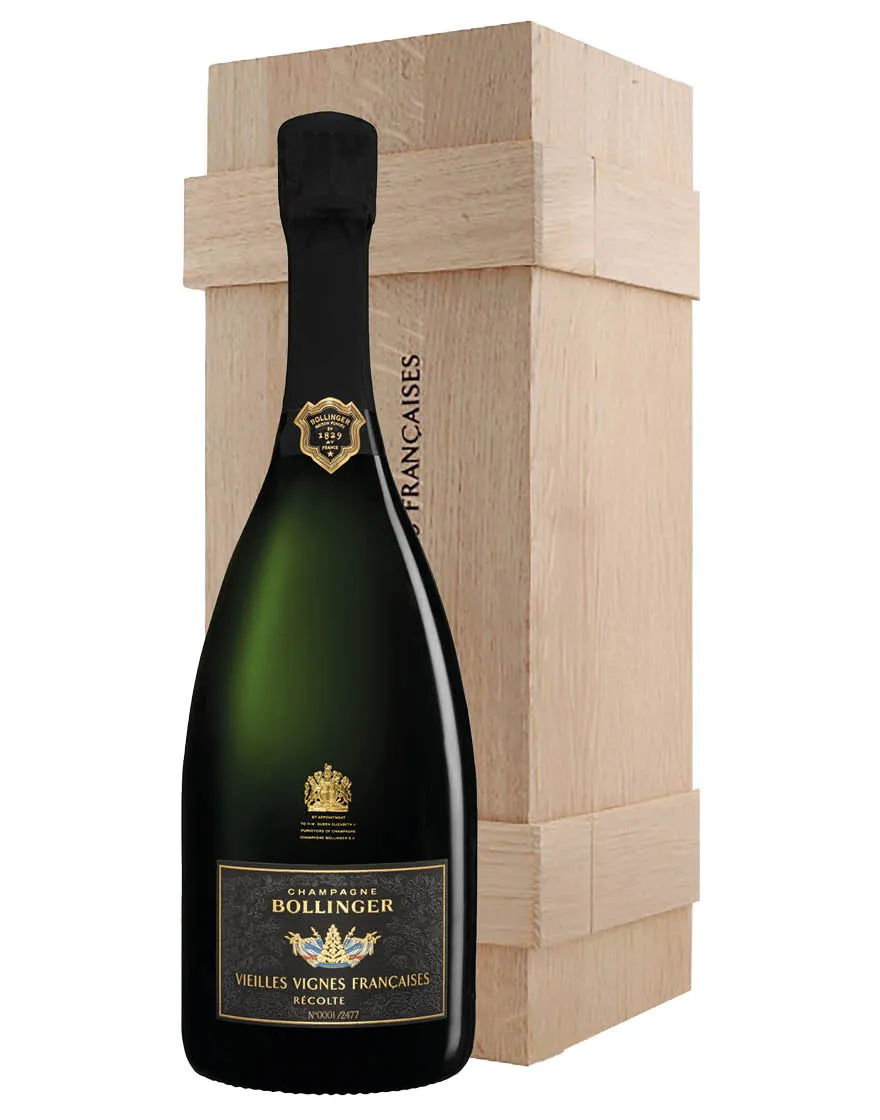
Bollinger Vieilles Vignes Françaises is a Champagne produced exclusively with Grand Cru Pinot Noir grapes. It is presented as a Blanc de Noirs; the vinification includes fermentation and ageing in barrels. A moderate dosage of 6 grams per litre contributes to a rich aromatic profile and maintains balance between structure and freshness. The style displays complexity and a clear potential for evolution over time.
Where it comes from
The grapes for Bollinger Vieilles Vignes Françaises come from the historic vineyards Clos Les Chaudes Terres and Clos St Jacques in Aÿ, in the heart of Champagne. The origin of the grapes and the care in cultivation contribute to a slow and steady ripening, giving the wine structure and personality.
How it is produced
The Pinot Noir grapes are harvested by hand with careful bunch selection. After gentle pressing, the must ferments entirely in barrels. Blending and bottle refermentation follow the traditional champagne method, with ageing on the lees significantly longer than required by regulations. Bottling uses a natural cork stopper and the final dosage ensures balance and complexity.
Tasting notes
In the glass, it shows an intense golden colour and a fine, persistent perlage. The nose reveals toasted notes of hazelnut and almond with hints of ginger and white pepper, followed by aromas of candied pear, baked apricot, and dark chocolate. On the palate, it is round and powerful, with white and yellow-fleshed fruit supported by citrus freshness and a long finish on mineral and buttery tones.
Food pairings
This Champagne pairs with refined dishes such as white caviar and Alba white truffle, enhancing its aromatic profile. Other suggested pairings include dishes like gratinated scallops or saffron risotto, where the wine's structure and toasted notes harmonize with the creaminess of the preparations.
Serving occasions
Bollinger Vieilles Vignes Françaises offers significant ageing potential thanks to its structure and balance between acidity and aromatic maturity. It can be enjoyed young for those seeking freshness and perlage, or after several years of ageing, when oxidative and toasted notes integrate with the fruity aromas. The wine shows a remarkable ability to evolve over time.
12 products of Bollinger View all
12 products of Bollinger


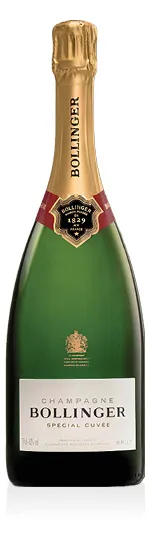
Champagne AOC Brut Special Cuvée Bollinger

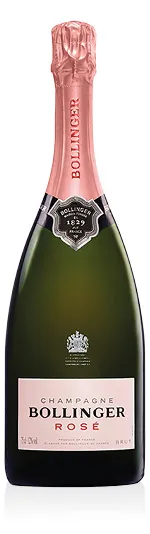
Champagne AOC Brut Rosé Bollinger
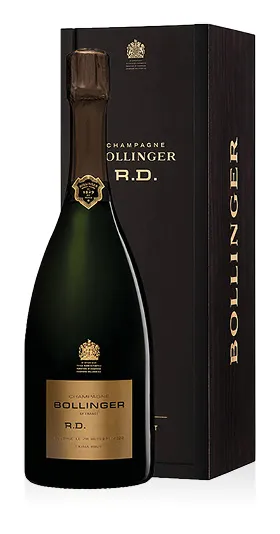
Champagne AOC Extra Brut R.D. 2008 Bollinger
You may also be interested in
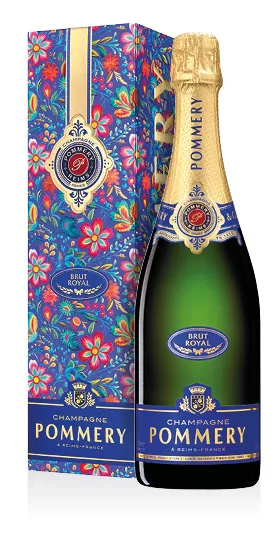
Champagne AOC Brut Royal Pommery
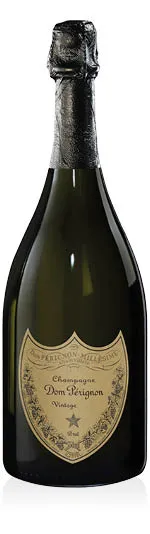
Champagne AOC Brut Vintage 2018 Dom Pérignon
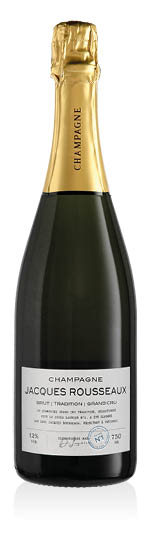
Champagne AOC Grand Cru Brut Cuvée 1 Tradition Jacques Rousseaux Laurier
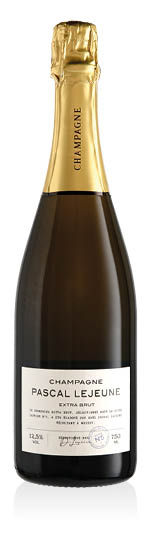
Champagne AOC Extra Brut Cuvée 5 Pascal Lejeune Laurier
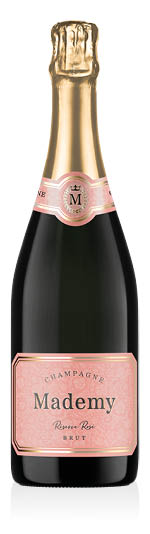
Champagne AOC Rosé Brut Grande Réserve Mademy