 View all
 Champagne
 Sparkling Wines
 Red Wines
 White Wines
 Rosé Wines
 Alcohol-free
 Bag in box
 Fortified Wines
 Passito Wines
 Cocktails
 Gin
Gin
 Liqueur
 Whisky
 Rum
Rum
 Grappa
 Alcohol-free
 Brandy
 Eau de vie
 Tequila
 Vodka
Vodka
 Mixology
 Beers
Beers
 Olive Oil
 Vinegar
 Accessories


Product details

Description
What kind of wine it is
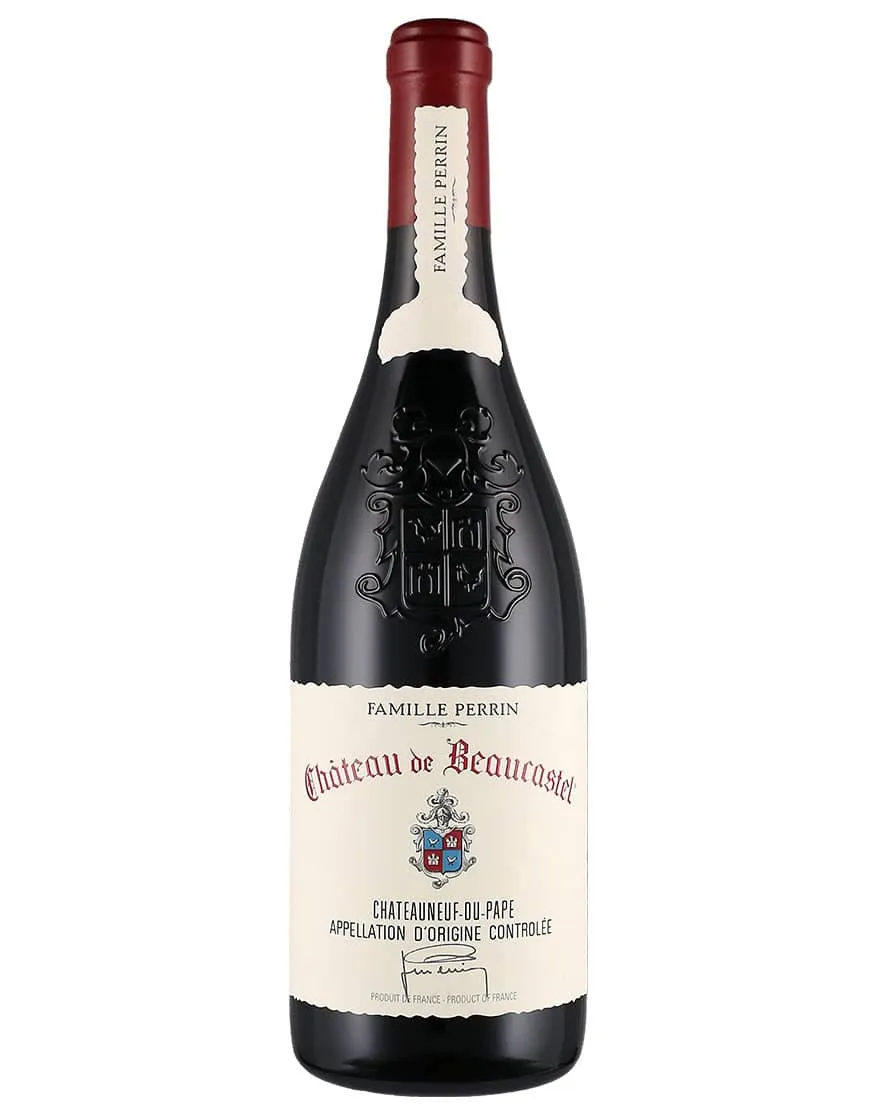
Châteauneuf-du-Pape Rouge from Château de Beaucastel by Famille Perrin is a red wine from the Côte du Rhône based on a blend of thirteen varieties. The cuvée brings together Grenache, Mourvèdre, Syrah, Counoise and Cinsault along with other traditional local grapes, each vinified separately in cement or oak depending on the variety. The result is a full-bodied, smooth wine with pronounced tannins and an aromatic profile that combines fruit, herbs and spice, crafted to grace the table.
Where it comes from
Produced in the heart of the Côte du Rhône, within the Châteauneuf-du-Pape appellation, where the use of many permitted varieties is an integral part of the local style. Here, the origins are tied to the work of Château de Beaucastel, known for its extended use of authorized grape varieties and a focus on blend complexity. The result is a Rhône red that stands out for its deep connection to the land and the region's tradition of assemblage.
How it is produced
The thirteen grape varieties are harvested separately and follow different vinification processes. For Syrah and Mourvèdre, both alcoholic and malolactic fermentation take place in oak barrels, while the other grapes undergo fermentation in cement tanks. Only after these stages are the different batches blended together, and then the wine is aged in large oak foudre casks for about a year.
Tasting notes
In the glass it shows a deep, intense ruby red color. The nose reveals raspberries, black cherries, and cherries preserved in spirits, followed by hints of aromatic herbs and a distinct spiciness. On the palate, the spicy character returns consistently, supported by a full body and broad structure. The finish is soft yet appropriately tannic, lingering with notes of cherry.
Food pairings
At the table, it shines with dishes that enhance its structure and spiciness, such as green pepper steak. Mature fruit flavors and its tannic structure complement the succulence of the meat and the liveliness of the seasoning without losing definition. It pairs well with dishes where savoriness and spice are the stars, maintaining a consistent flavor balance throughout the meal.
When to serve it
Best enjoyed when you're looking for a red wine with structure, well-marked tannins and a complex aromatic profile, especially for convivial meals. The approach—based on separate vinification, final blending, and aging in foudre—makes it ideal for structured main courses, particularly meat-based. The palate remains smooth yet robust, with a long finish marked by fruit and spice.
2 products of Famille Perrin View all
2 products of Famille Perrin


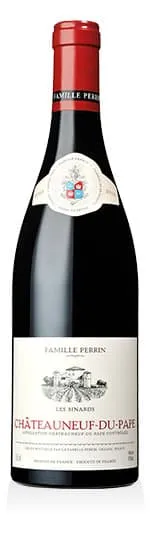
Châteauneuf-du-Pape Rouge AOC Les Sinards 2023 Famille Perrin
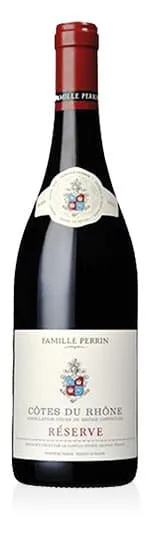
Côtes du Rhône Réserve AOC 2024 Famille Perrin
You may also be interested in

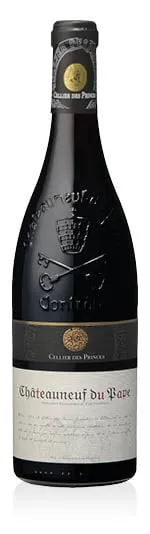
Châteauneuf-du-Pape AOC 2023 Cellier des Princes
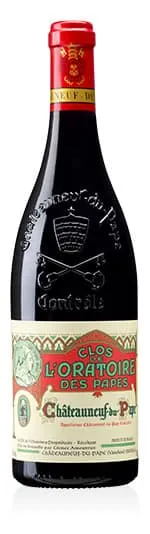
Châteauneuf-du-Pape AOC Clos de l'Oratoire des Papes Rouge 2023 Ogier

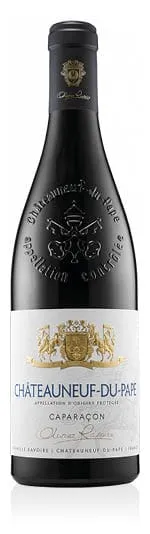
Châteauneuf-du-Pape AOC Rouge Caparaçon 2023 Ravoire


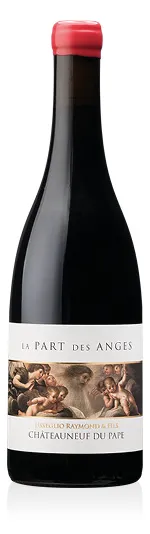
Châteauneuf-du-Pape AOC La Part des Anges 2020 Domaine Raymond Usseglio & Fils
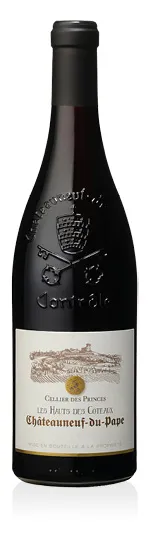
Châteauneuf-du-Pape AOC Les Hauts des Coteaux 2019 Cellier des Princes