 View all
 Champagne
 Sparkling Wines
 Red Wines
 White Wines
 Rosé Wines
 Alcohol-free
 Bag in box
 Fortified Wines
 Passito Wines
 Cocktails
 Gin
Gin
 Liqueur
 Whisky
 Rum
Rum
 Grappa
 Alcohol-free
 Brandy
 Eau de vie
 Tequila
 Vodka
Vodka
 Mixology
 Beers
Beers
 Olive Oil
 Vinegar
 Accessories


Product details
Description
What kind of wine is it
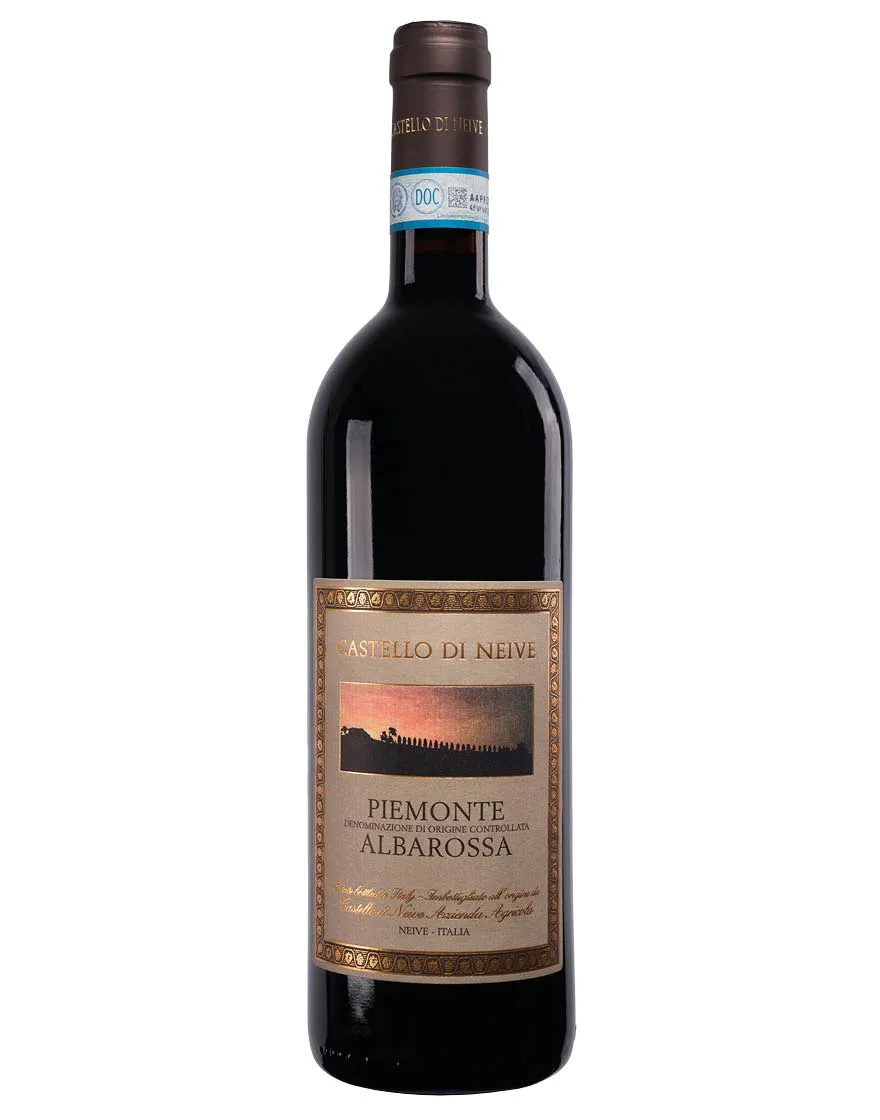
Piemonte Albarossa by Castello di Neive is a red wine made exclusively from Albarossa grapes. It offers full body, a balanced profile, and a freshness that enhances drinkability. The vinification takes place in temperature-controlled stainless steel tanks with a short maceration on the skins, followed by one year in small French oak barrels and then further rest in stainless steel. The result is a smooth texture and moderate aging potential.
Where it comes from
Born in the hilly area of Marcorino, near Neive, Piemonte Albarossa reflects the local character of the region. Castello di Neive, active since the 1960s, values local tradition and offers wines that embody the identity of the Langhe.
How it is produced
The Albarossa grapes are selected for quality and integrity. After destemming, the must undergoes a brief maceration on the skins in temperature-controlled stainless steel tanks to extract color and tannins. Maturation continues for twelve months in small French oak barrels, followed by aging in stainless steel to harmonize the aromatic components and ensure stability before bottling.
Tasting notes
It shows an intense ruby-red color with garnet highlights. On the nose, it offers aromas of ripe red fruit such as cherry and plum, with balsamic notes and possible hints of vanilla and cocoa due to wood aging. On the palate, it is structured and fresh, with smooth tannins and a long finish, closing on fruity and spicy nuances that complete the harmony.
Food pairings
Piemonte Albarossa by Castello di Neive pairs well with grilled red meats, braised dishes, and game such as wild boar or roe deer. Among Piedmontese dishes, it is an ideal match for agnolotti del plin with pot roast ragù and braised meat in Barolo. It also shows good affinity with aged cured meats and semi-mature cow’s milk cheeses, thanks to its structure and balsamic notes that support the intense flavors of regional main courses.
When to serve
It is recommended to serve at 16-18°C after a short decanting of 20-30 minutes. The structure and balance between tannins and acidity allow you to enjoy it young or let it evolve in the bottle for a few years. Over time, mature and spicy nuances emerge that enrich the tasting experience.
4 products of Castello di Neive View all
4 products of Castello di Neive


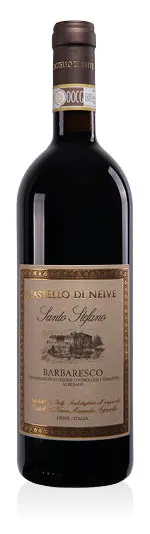
Barbaresco DOCG Albesani Santo Stefano 2022 Castello di Neive

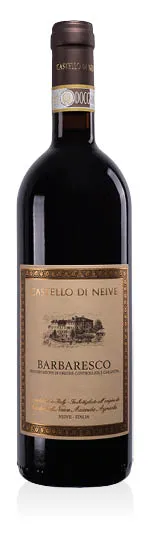
Barbaresco DOCG 2023 Castello di Neive
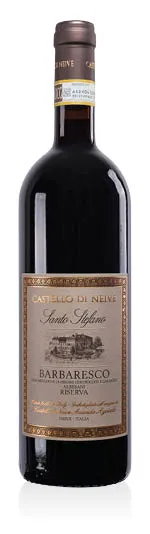
Barbaresco DOCG Albesani Riserva Santo Stefano 2018 Castello di Neive
You may also be interested in
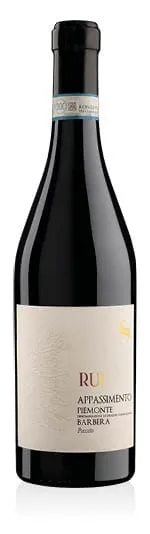
Piemonte DOC Barbera Appassimento Ruj 2024 San Silvestro

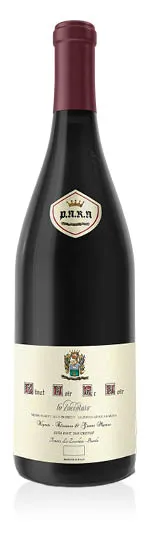
Piemonte DOC Pinot Nero Re Noir 2020 Lo Zoccolaio
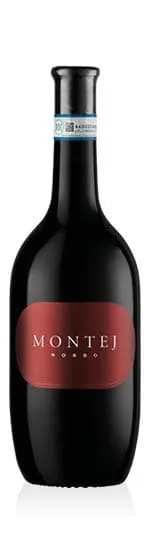
Piemonte DOC Barbera Montej Rosso 2024 Villa Sparina
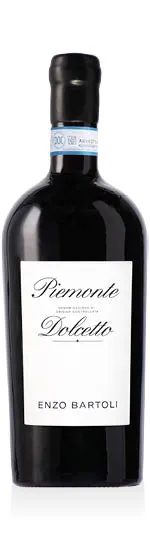
Piemonte DOC Dolcetto 2023 Enzo Bartoli