 View all
 Champagne
 Sparkling Wines
 Red Wines
 White Wines
 Rosé Wines
 Alcohol-free
 Bag in box
 Fortified Wines
 Passito Wines
 Cocktails
 Gin
Gin
 Liqueur
 Whisky
 Rum
Rum
 Grappa
 Alcohol-free
 Brandy
 Eau de vie
 Tequila
 Vodka
Vodka
 Mixology
 Beers
Beers
 Olive Oil
 Vinegar
 Accessories


Product details

Description
What kind of wine it is
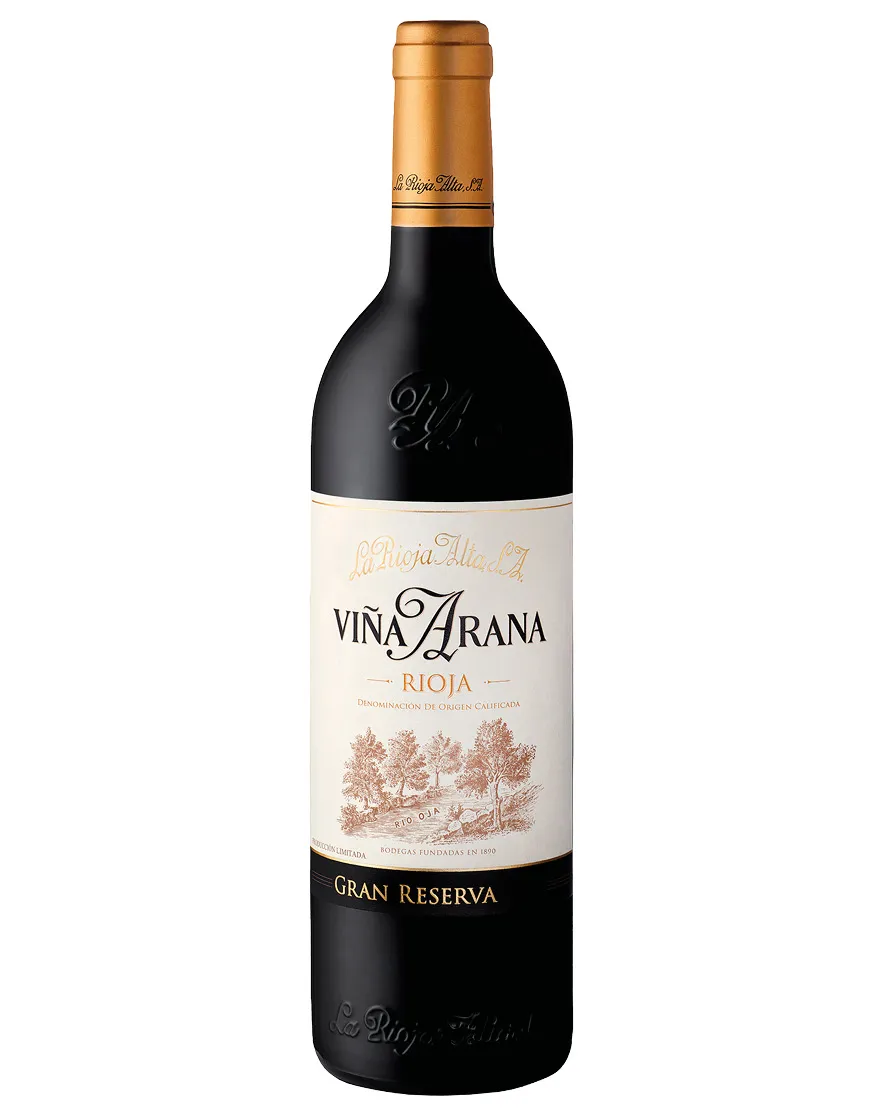
Viña Arana by La Rioja Alta is a red blend of Tempranillo and Graciano grapes. It displays a fresh and structured style, with complexity resulting from natural fermentation and spontaneous malolactic conversion. Three years in American oak barrels shape smooth tannins and a persistent finish, balancing classic depth with a contemporary freshness.
Where it comes from
Viña Arana originates from the historic vineyards of Rodezno and Fuenmayor. This area is renowned for the quality of Tempranillo and its capacity to express the character of the land with clear and measured finesse.
How it is produced
The grapes are hand-harvested, with careful selection of bunches and refrigerated transport to the winery. After optical selection of the berries, fermentation likely occurs with native yeasts and is followed by spontaneous malolactic fermentation. The wine matures for three years in American oak barrels, with six traditional rackings by candlelight, and bottling avoids harsh filtration to preserve aroma and structure.
Tasting notes
Visually, it appears brilliant ruby-red with garnet highlights. The nose is complex, offering balsamic notes, vanilla, cinnamon, brioche, and toasted bread, alongside black plum, blackcurrant, and small forest fruits. On the palate, it reveals balance, silky tannins, and freshness that upholds the wine’s progression. The finish is long, lively and persistent, with spicy and mineral nuances.
What to pair it with
It pairs well with grilled red meats, beef stews, roast lamb, and spiced fish dishes such as bacalao a la vizcaína. From the Rioja area, the classic match is with patatas a la riojana, a dish of potatoes, chorizo, and paprika. Viña Arana also works harmoniously with red fruit desserts such as raspberry tarts and with dark chocolate, thanks to its fruity and spicy character.
When to serve it
Viña Arana is ready to be enjoyed immediately and can evolve positively over time. In its early years, fresh and fruity notes prevail, while over time, tertiary complexity and greater tannic softness develop.
4 products of La Rioja Alta View all
4 products of La Rioja Alta


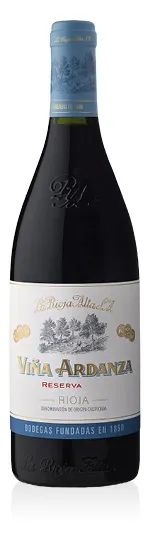
Rioja DOCa Reserva Viña Ardanza 2020 La Rioja Alta


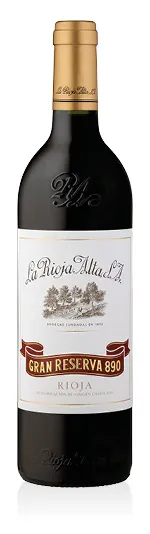
Rioja DOCa Gran Reserva 890 2011 La Rioja Alta
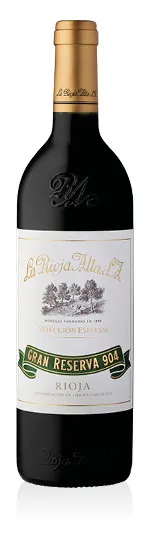
Rioja DOCa Gran Reserva 904 Selección Especial 2016 La Rioja Alta
You may also be interested in

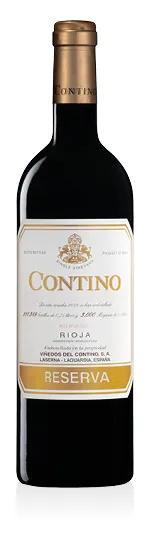
Rioja DOCa Reserva 2021 Contino
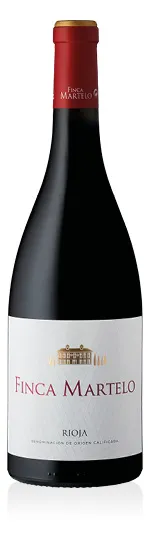
Rioja DOCa Reserva Finca Martelo 2021 Torre de Oña
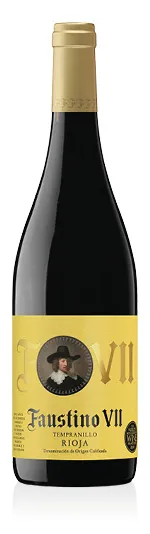
Rioja DOCa Tempranillo Faustino VII 2023 Bodegas Faustino

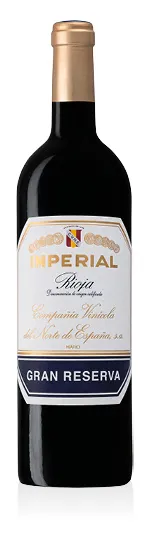
Rioja DOCa Gran Reserva Imperial 2019 CVNE
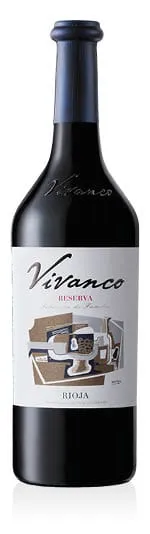
Rioja DOC Reserva 2019 Vivanco