 View all
 Champagne
 Sparkling Wines
 Red Wines
 White Wines
 Rosé Wines
 Alcohol-free
 Bag in box
 Fortified Wines
 Passito Wines
 Cocktails
 Gin
Gin
 Liqueur
 Whisky
 Rum
Rum
 Grappa
 Alcohol-free
 Brandy
 Eau de vie
 Tequila
 Vodka
Vodka
 Blonde
 Red
Red
 Amber
Amber
 Dark
Dark
 Mixology
 Beers
Beers
 Olive Oil
 Vinegar
 Accessories


Product details

Description
What type of wine it is
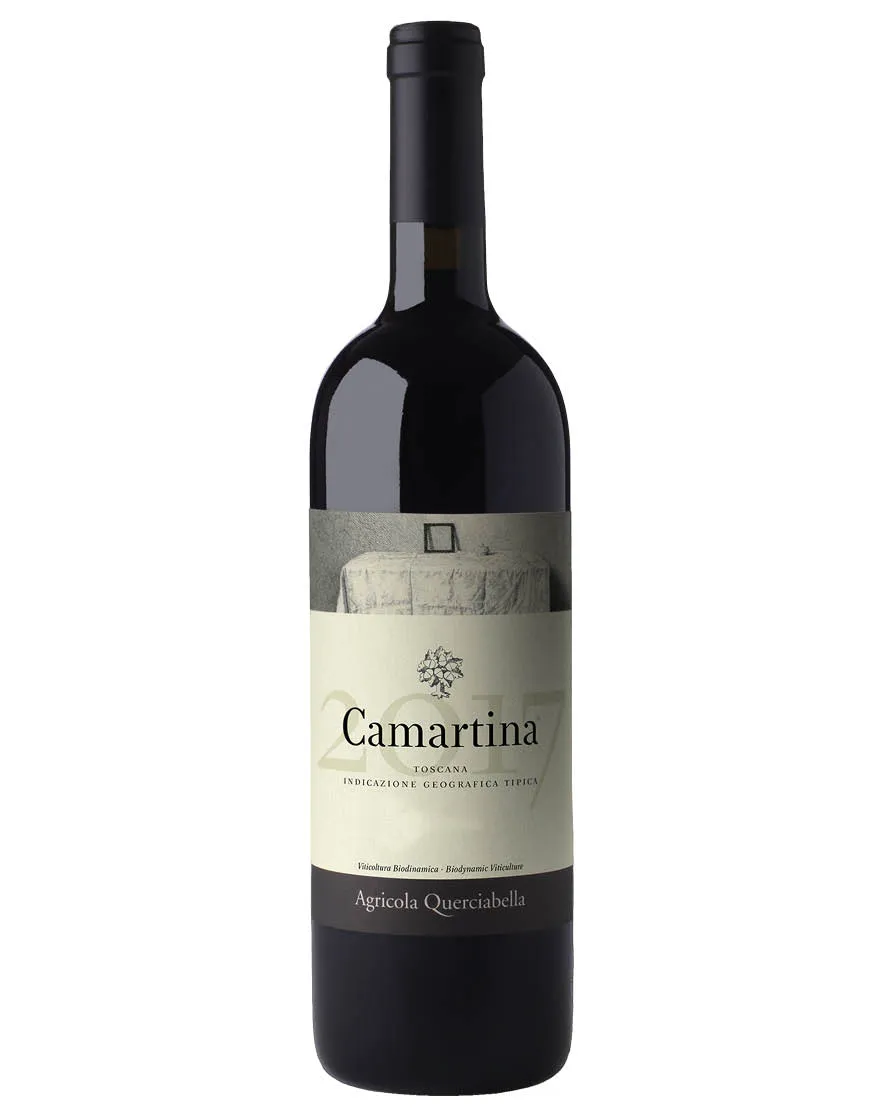
Camartina di Querciabella is a Tuscan red wine made from Cabernet Sauvignon and Sangiovese. Born as a Supertuscan, it combines a robust structure with a profile connected to the Chianti terroir, thanks to grapes from selected parcels and separate vinifications. After red vinification with maceration on the skins, ageing in French oak barriques completes its full and layered style.
Where it comes from
The grapes are sourced from Querciabella’s vineyards in the Chianti area, particularly in Ruffoli and Greve in Chianti. The soils are rich in galestro, a friable matrix that ensures good drainage and root development, contributing to a well-defined tannic structure. The parcels are surrounded by olive groves and oak woods.
How it’s made
Cabernet Sauvignon and Sangiovese are harvested and processed separately to precisely control timing and extraction. Classic red vinification follows, with fermentation and maceration on the skins; the wine then rests for about 18 months in French oak barriques, where it integrates aromas and structure while maintaining recognizable fruit. The final blending aims to balance density with vibrant tension.
Tasting notes
In the glass, it shows a dark ruby colour. The bouquet is complex, with jammy wild berries, notes of vanilla and chocolate, and hints of leather and liquorice that emerge after aeration. The palate is deep and ample, supported by dense, ripe tannins; the finish is spicy, persistent, orderly, and dry.
Food pairing suggestions
At the table, it pairs best with structured meat dishes, where tannin and body complement the succulence. It is ideal with bistecca alla fiorentina, sliced beef, and roast game, especially when the cooking highlights intensity and aromatic complexity. It also suits rich dishes demanding a well-structured red.
When to serve
This is a red wine suited for dinners seeking body and definition. It performs best served around 16–18°C in large glasses, and can benefit from short aeration or decanting when young to offer a more relaxed aromatic profile and a more harmonious tannic texture.
4 products of Querciabella View all
4 products of Querciabella


Chianti Classico DOCG 2021 Querciabella


Chianti Classico DOCG Riserva 2020 Querciabella

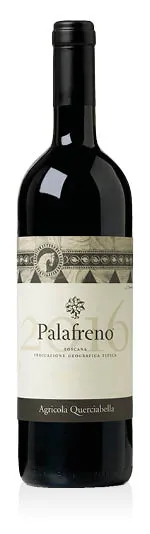
Toscana IGT Rosso Palafreno 2020 Querciabella
You may also be interested in
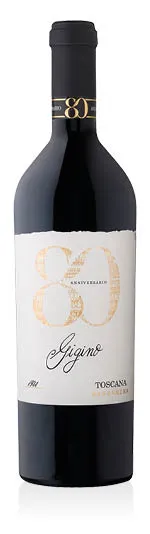
Toscana IGT Gigino Ottantesimo Anniversario 2022 Barbanera

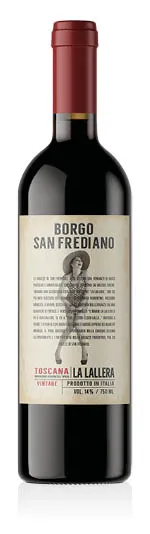
Toscana IGT La Lallera 2021 Borgo San Frediano
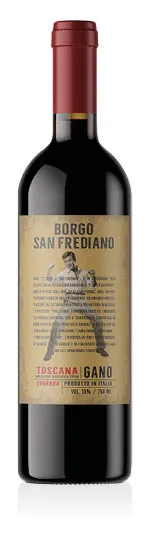
Toscana IGT Governo all'Uso Toscano Gano 2024 Borgo San Frediano
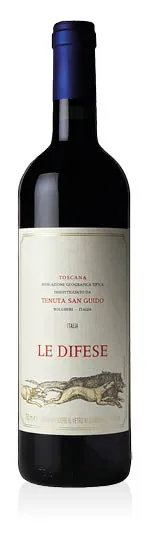
Toscana IGT Le Difese 2024 Tenuta San Guido
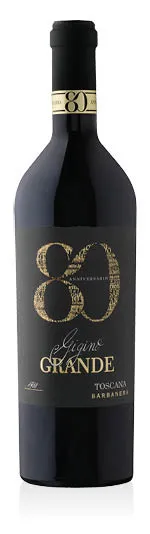
Toscana IGT Gigino Grande 2022 Barbanera