 View all
 Champagne
 Sparkling Wines
 Red Wines
 White Wines
 Rosé Wines
 Alcohol-free
 Bag in box
 Fortified Wines
 Passito Wines
 Cocktails
 Gin
Gin
 Liqueur
 Whisky
 Rum
Rum
 Grappa
 Alcohol-free
 Brandy
 Eau de vie
 Tequila
 Vodka
Vodka
 Mixology
 Beers
Beers
 Olive Oil
 Vinegar
 Accessories
What are the best Rums?
Among the most well-known names are Don Papa Rum and Diplomatico Rum, produced in the Philippines (Negros Island) and Venezuela, respectively.
Who produces the best rum? The origins are disputed among the French, Spanish, and British. Each of these countries had a colonial empire in modern times: from Martinique, still part of France today, where the French Dominican friar Jean Baptiste Labat is said to have produced the first sugarcane distillate in the mid-17th century, to British Barbados, where the first rum is believed to have been created in the early 18th century at the Mount Gay distillery. Meanwhile, the Spanish claim that a Spanish friar was the first to distil rum in Cuba.
What all these theories share is a common origin: the islands located between North and South America—Jamaica, Cuba, Saint Barthélemy, Guadeloupe, Les Saintes, and Martinique, among others—where rum has been produced since the late 17th century.
The history of rum spans the modern era, intersecting with the history of slavery, Prohibition, the phylloxera crisis in Europe, and the world wars. In the mid-19th century, when phylloxera devastated most of Europe's vineyards, rum became one of the spirits, alongside gin, that compensated for the shortage of wine.
Today, as seen in the success of Don Papa Rum, the Philippines has also become a renowned country for rum distillation.
What is in rum?
Rum is the product of sugarcane distillation and can be aged to varying degrees. Young rum or white rum has a clear or transparent colour, while aged rums such as Don Papa or Diplomatico have shades ranging from yellow to brown. Some rums also have caramel added to give them a darker hue.
There are two main types of rum: industrial rum and agricultural rum, distinguished by their production method. Industrial rum is distilled from molasses, while agricultural rum is made from pure sugarcane juice.
How is rum made?
The primary ingredient in rum production is sugarcane, a plant native to Indonesia that spread widely throughout the Caribbean with colonisation.
After approximately 12 months, the sugarcane is harvested between November and May, during the driest season. The sugarcane juice is then concentrated to reach a specific sugar level or transformed into molasses.
The molasses is diluted with water to initiate the fermentation process, during which the sugars convert into alcohol. Fermentation can occur spontaneously or be induced, depending on the production philosophy.
Controlled fermentation is achieved using macerated exotic fruits or yeasts, such as pineapple yeast in Guatemalan rum production. In Jamaica, the preferred method is dunder, a mix of previous distillation residues, sugarcane juice, and fruit.
This fermented liquid, with a final alcohol content of between 7% and 13% ABV, is then distilled using various methods and stills. Heavy rums are obtained through batch distillation, while light rums are produced using continuous column distillation.
After filtration—using either cartridge filters or activated charcoal—rum undergoes the ageing process. It is typically rested for at least a few weeks in inert containers to allow esterification and the formation of primary aromas (such as grassy, floral, or fruity notes).
The finest rums are aged for many years in wooden barrels. Some are aged for at least seven years, while others mature for up to 12 years or more. The choice of wood is crucial for developing rum’s secondary aromas (vanilla, dark chocolate, dried fruit, etc.). Oak barrels or toasted white oak casks are commonly used, as well as barrels previously used by American whiskey distilleries. For Spanish-style rums, casks that have previously held dry sherry or sweet wines like Pedro Ximénez are often used.
Why buy rum online?
By purchasing our rums online, you can conveniently choose from a wide range of rums. Whether for yourself or as a gift, our online wine shop allows you to select rum based on its origin, flavour, and ideal pairings.


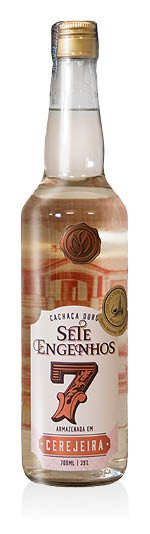
Cachaça Cerejeira 7 Engenhos
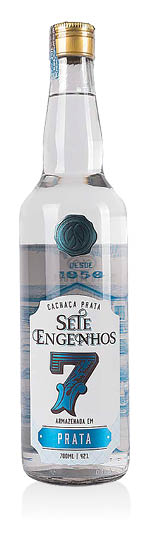
Cachaça Prata 7 Engenhos
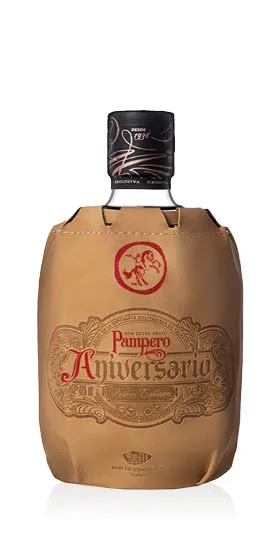
Ron de Venezuela Extra Añejo DOC Reserva Exclusiva Aniversario Pampero
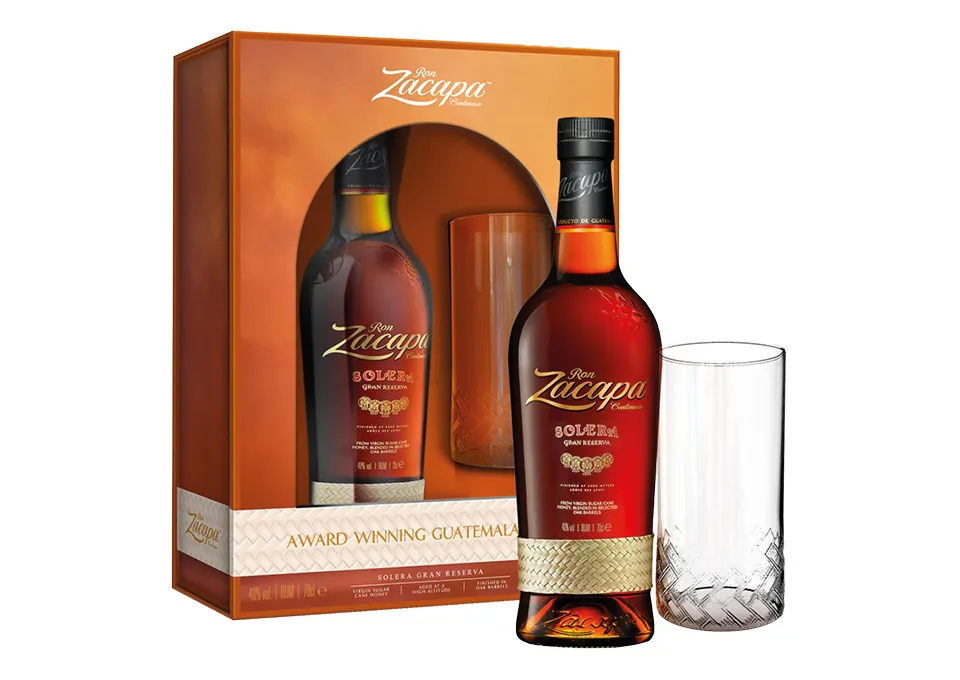
Ron de Guatemala DOP Solera Gran Reserva 23, 0,7 ℓ, Packaging with glass

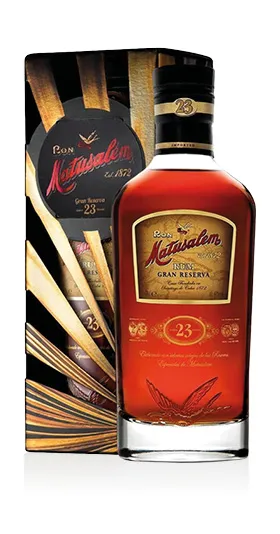
Gran Reserva 23 Years Rum Matusalem
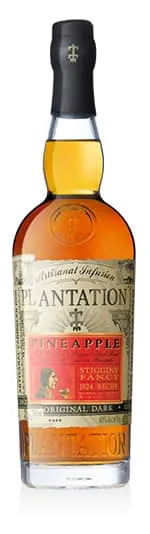
Pineapple Stiggin's Fancy Plantation
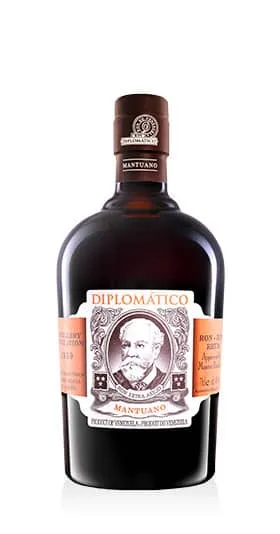
Ron de Venezuela Extra Añejo DOC Mantuano Diplomatico

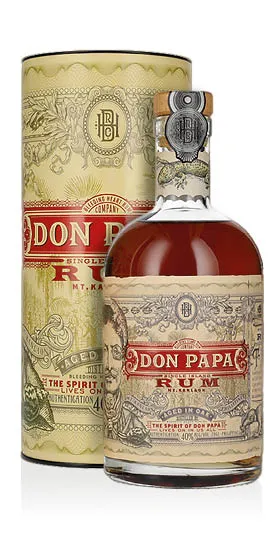
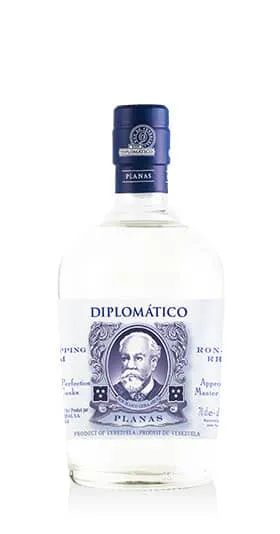
Ron de Venezuela Extra Añejo DOC Planas Diplomatico
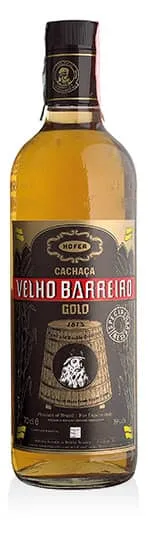
Cachaça Gold Velho Barreiro

Ron de Venezuela Añejo DOC Selección Pampero
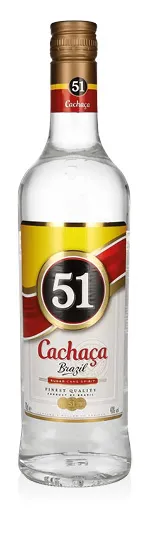
Cachaça 51 Fazenda Lageado
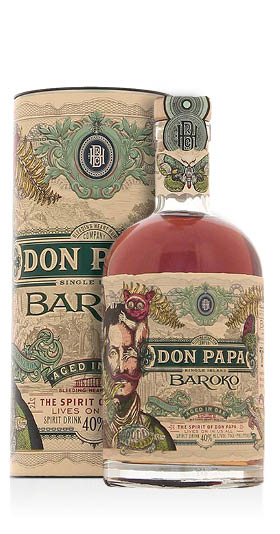


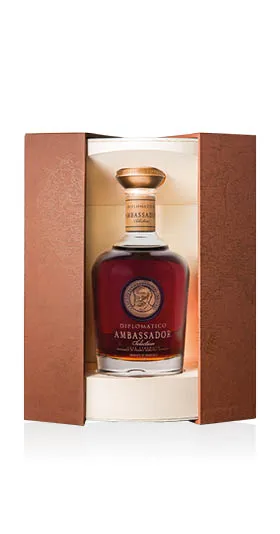
Ron de Venezuela DOC Diplomático Ambassador Selection Cask Strenght Finished in Pedro Ximénez Cask Diplomatico
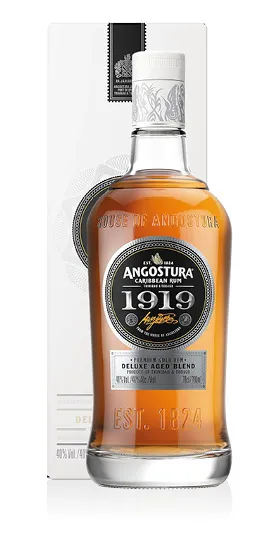
Deluxe Aged Blend Premium Gold Rum 1919 Angostura
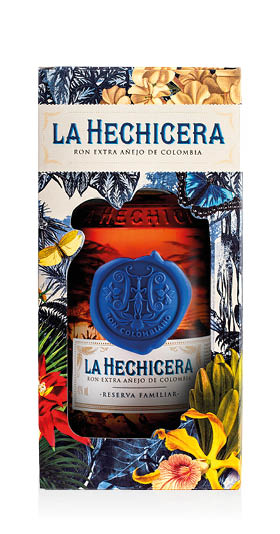
Ron Extra Añejo Reserva Familiar de Colombia Solera 21 La Hechicera