
 View all
 Champagne
 Sparkling Wines
 Red Wines
 White Wines
 Rosé Wines
 Alcohol-free
 Bag in box
 Fortified Wines
 Passito Wines
 Cocktails
 Gin
Gin
 Liqueur
 Whisky
 Rum
Rum
 Grappa
 Alcohol-free
 Brandy
 Eau de vie
 Tequila
 Vodka
Vodka
 Mixology
 Beers
Beers
 Olive Oil
 Vinegar
 Accessories

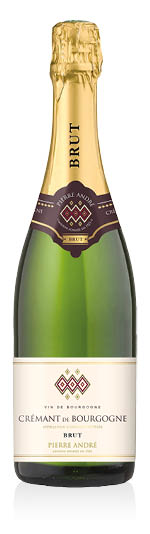
Crémant de Bourgogne AOP Brut Pierre André
0,75 ℓ
Discount 30%
13.20 €
per bottle
(0,75 ℓ)
17.60 €/ℓ
incl. VAT and taxes
Lowest price:
18.90 €
Running low on stock
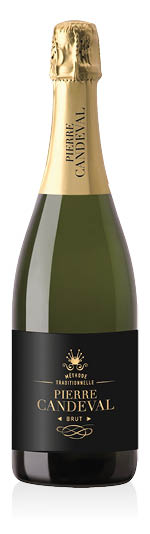
Blanquette de Limoux Brut AOP Pierre Candeval
0,75 ℓ
12.90 €
per bottle
(0,75 ℓ)
17.20 €/ℓ
incl. VAT and taxes
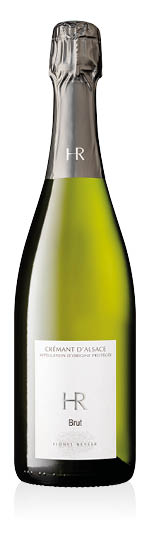
Crémant d'Alsace AOP Brut Domaine Hubert Reyser
0,75 ℓ
Discount 18%
15.60 €
per bottle
(0,75 ℓ)
20.80 €/ℓ
incl. VAT and taxes
Lowest price:
19.20 €
Running low on stock
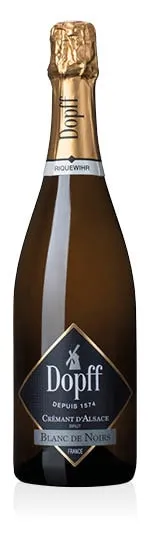
Crémant d'Alsace AOC Blanc de Noirs Brut 2023 Dopff au Moulin
0,75 ℓ
Discount 25%
19.70 €
per bottle
(0,75 ℓ)
26.27 €/ℓ
incl. VAT and taxes
Lowest price:
26.30 €
Only 9 left
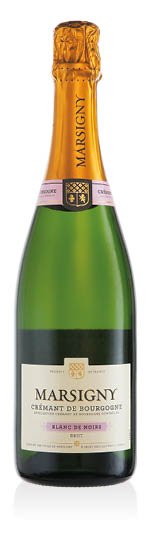
Crémant de Bourgogne AOC Blanc de Noirs Cave de Marsigny
0,75 ℓ
Discount 10%
17.60 €
per bottle
(0,75 ℓ)
23.47 €/ℓ
incl. VAT and taxes
Lowest price:
19.60 €
Only 10 left
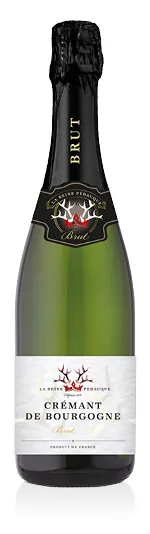
Crémant de Bourgogne AOP Brut 2023 Reine Pédauque
0,75 ℓ
Discount 40%
12.30 €
per bottle
(0,75 ℓ)
16.40 €/ℓ
incl. VAT and taxes
Lowest price:
20.50 €
Running low on stock
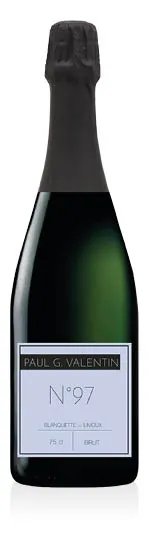
Blanquette de Limoux AOC Brut N°97 Paul G. Valentin
0,75 ℓ
16.90 €
per bottle
(0,75 ℓ)
22.53 €/ℓ
incl. VAT and taxes
Only 12 left
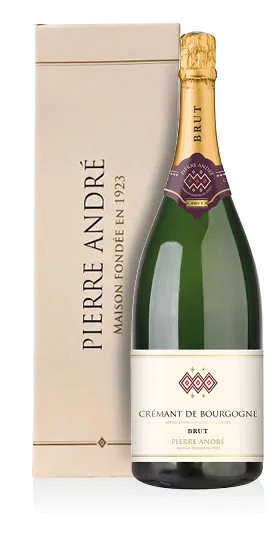
Crémant de Bourgogne AOP Brut Pierre André
Magnum 1,5 ℓ, Gift box
Discount 30%
27.90 €
per bottle
(1,5 ℓ)
18.60 €/ℓ
incl. VAT and taxes
Lowest price:
39.90 €
Only 3 left
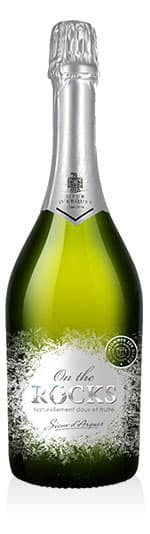
Blanquette de Limoux Doux AOC On the Rocks Sieur d'Arques
0,75 ℓ
17.90 €
per bottle
(0,75 ℓ)
23.87 €/ℓ
incl. VAT and taxes
Only 7 left

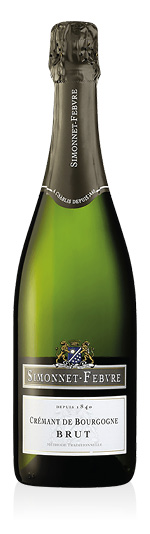
Crémant de Bourgogne Brut AOC Brut Simonnet-Febvre
0,75 ℓ
92
91
90
Discount 30%
18.10 €
per bottle
(0,75 ℓ)
24.13 €/ℓ
incl. VAT and taxes
Lowest price:
25.90 €
Only 3 left

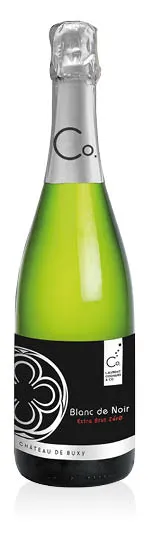
Crémant de Bourgogne AOC Extra Brut Zéro Blanc de Noir Laurent Cognard
0,75 ℓ
Discount 25%
26.40 €
per bottle
(0,75 ℓ)
35.20 €/ℓ
incl. VAT and taxes
Lowest price:
35.30 €
Only 2 left

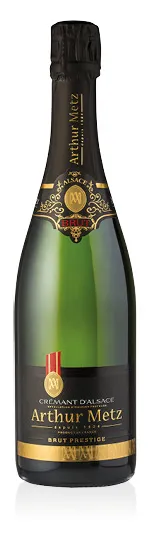
Crémant d'Alsace AOP Brut Prestige Arthur Metz
0,75 ℓ
Quantity discount 5%
13.90 €
per bottle
(0,75 ℓ)
18.53 €/ℓ
incl. VAT and taxes
Regular price: 14.60 €